The soap, and how little of it
Modern detergent is mostly enzymes, and enzymes are fussy about heat and generous about time. The commonest laundry mistake is using two or three times as much as the machine needs, which leaves residue that holds odour and stiffens cloth.
What the enzymes are for
Protease breaks down protein stains like blood, egg and sweat. Amylase handles starches. Lipase handles grease. Mannanase deals with the gums in ice cream and sauces. They work by digesting the stain rather than dissolving it, which is why a short soak often beats a hotter wash.
Why they hate hot water
Enzymes are proteins and they denature with heat. Most laundry enzymes are formulated for roughly 20 to 40 degrees Celsius and lose activity above that. Running a hot wash to get things cleaner can switch off the part of the detergent doing the cleaning.
Less, not more
Dose to the water hardness and the load size, not to the cap. Excess surfactant does not rinse out; it stays in the fibres, attracts soil, and is a common cause of towels that stop absorbing and gym kit that smells clean until it is warm.
What not to use on wool and silk
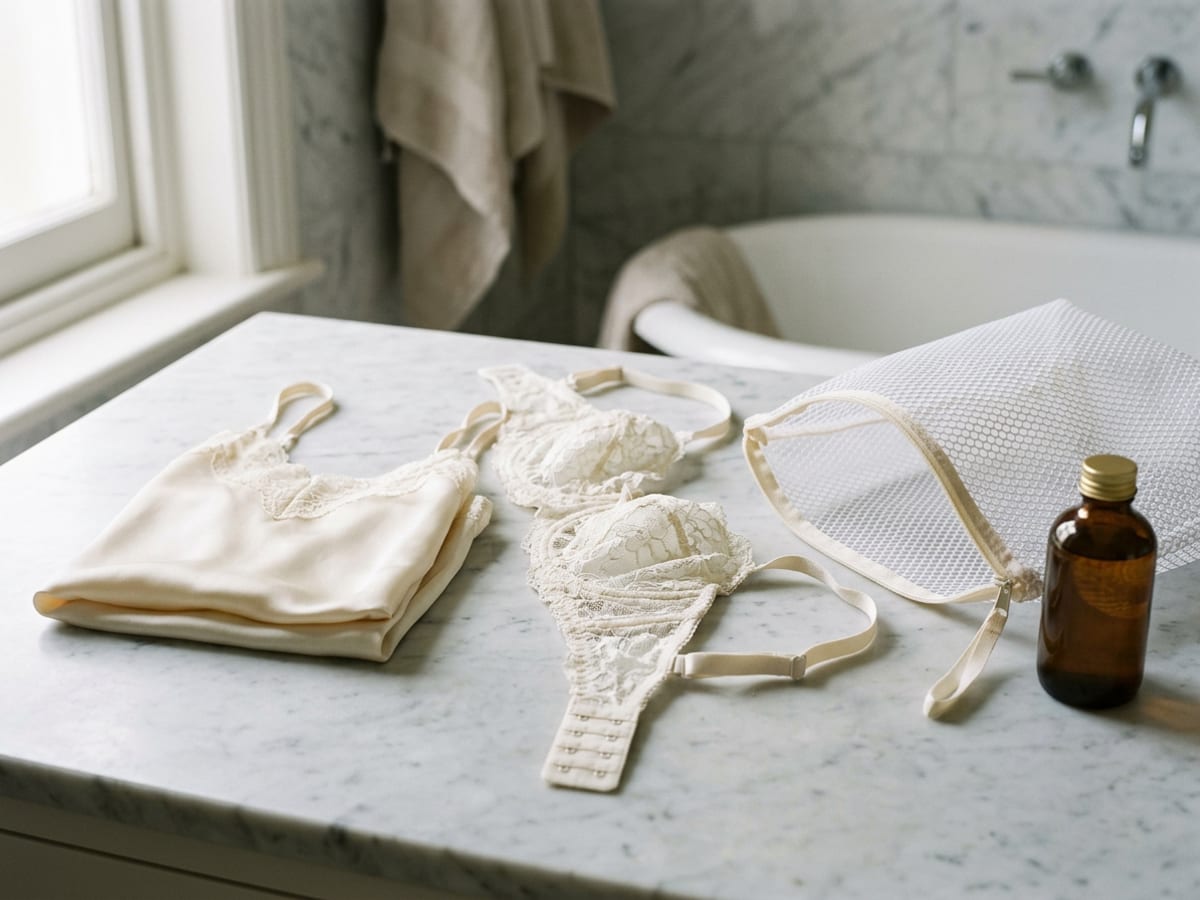
Both are protein fibres, and protease does not know the difference between a bloodstain and a jumper. Use a wool-specific or non-biological detergent for anything animal-derived, or the fibre thins and pills over a few washes.
Fragrance-free is the default here
Fragrance mix is one of the most frequent positives in contact dermatitis patch testing, and laundry residue sits against skin all day and all night. If anyone in the house has reactive skin, this is the highest-leverage swap in the room.