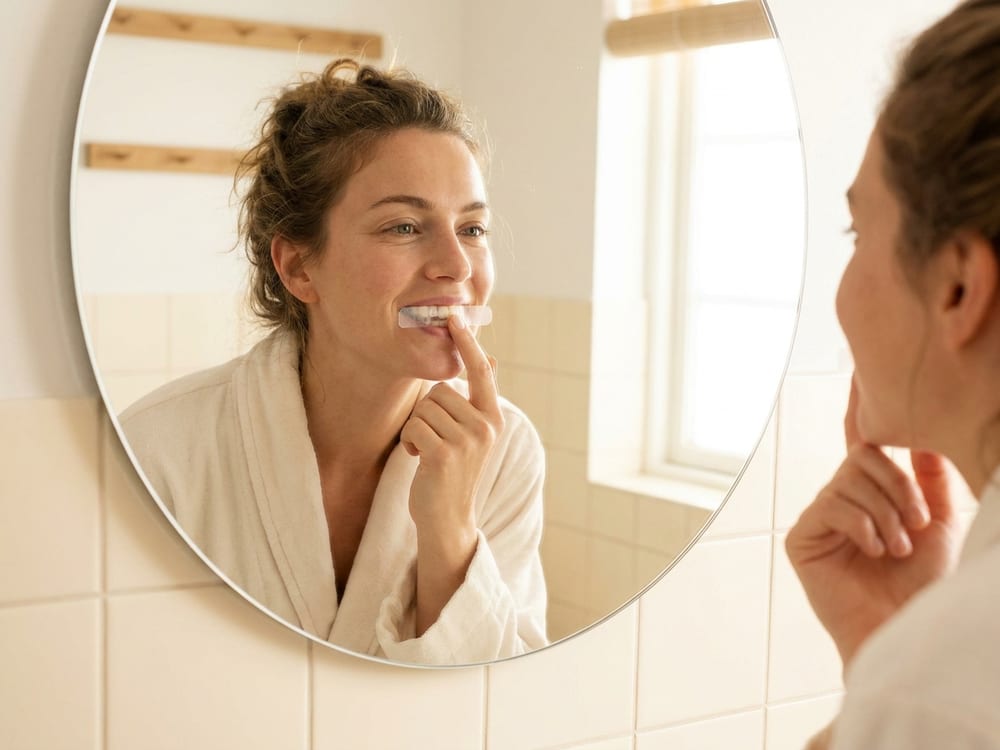
The smile
Peroxide strips are the rare cosmetic with randomised trials: real shade change in two weeks, sensitivity as the trade-off. Fourteen days, ten minutes a day.
- Zimba Teeth Whitening Strips Amazon ~$25

A morning and a night routine, with a Good, Better, and Best pick at every step and the research behind each one. Build yours below, tuned to your skin type.
Pick your skin type for a morning and night routine, layered in the right order, each step with a Good, Better, and Best buy option. No account needed.
Optional add-ons: a hydrating toner, weekly facial tools, body & foot care, body exfoliation, a self-tanner, and grooming. Tap any step for the full how-to.
31 cards
 Strong evidence Cleanse
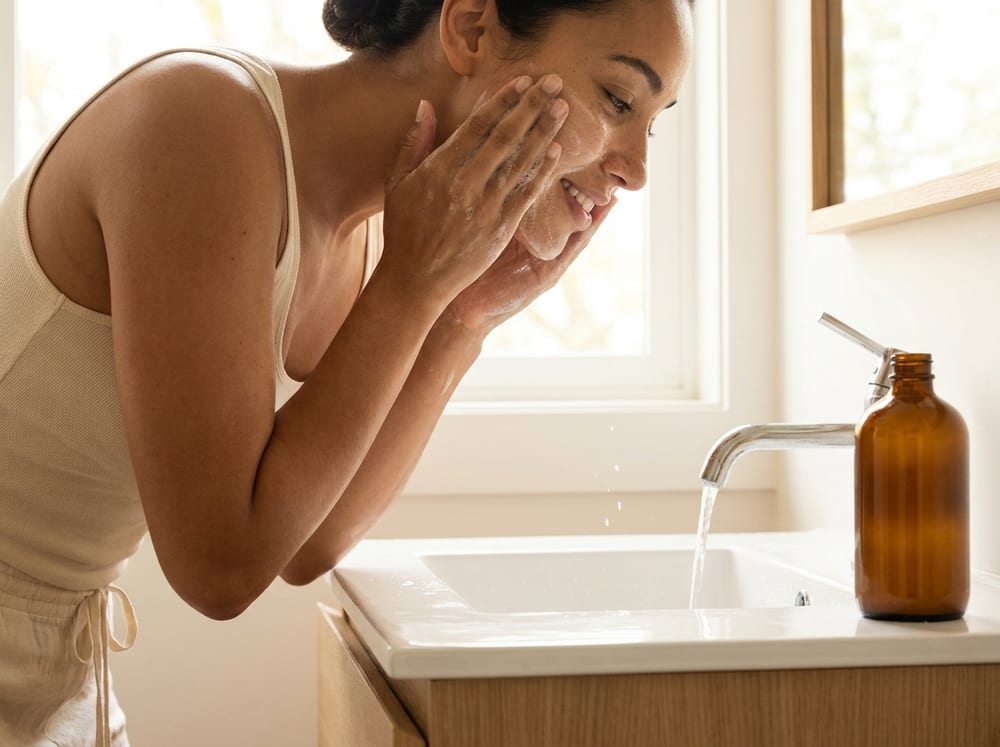
 A low-foaming gel, built on mild surfactants, lifts the excess sebum, sunscreen, and daily grime sitting on your skin, without stripping the barrier lipids that keep skin resilient in the process. Clear that film away and you've got a clean canvas. Everything you layer on next reaches your skin instead of sitting uselessly on top of yesterday's residue.
 Strong evidence Cleanse
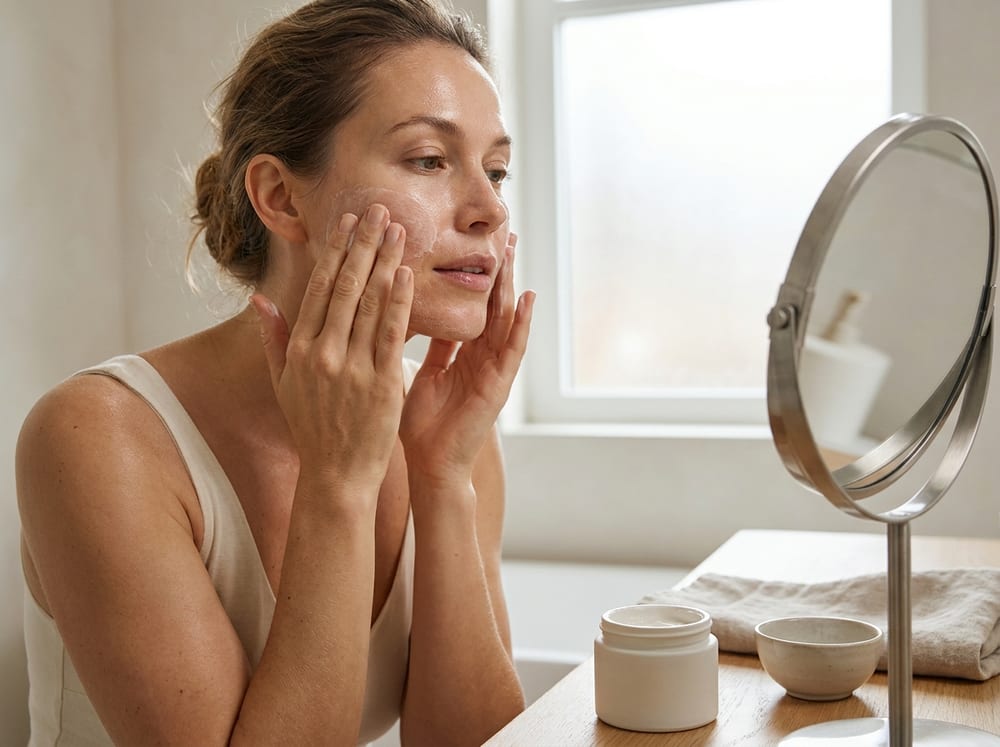
 A creamy, low-surfactant base emulsifies dirt and makeup while it deposits humectants and emollients that cushion your skin at the same time. So cleansing removes the buildup without dissolving the barrier lipids that dry, reactive skin genuinely cannot afford to lose. It cleans without the collateral damage.
 Moderate evidence Tone
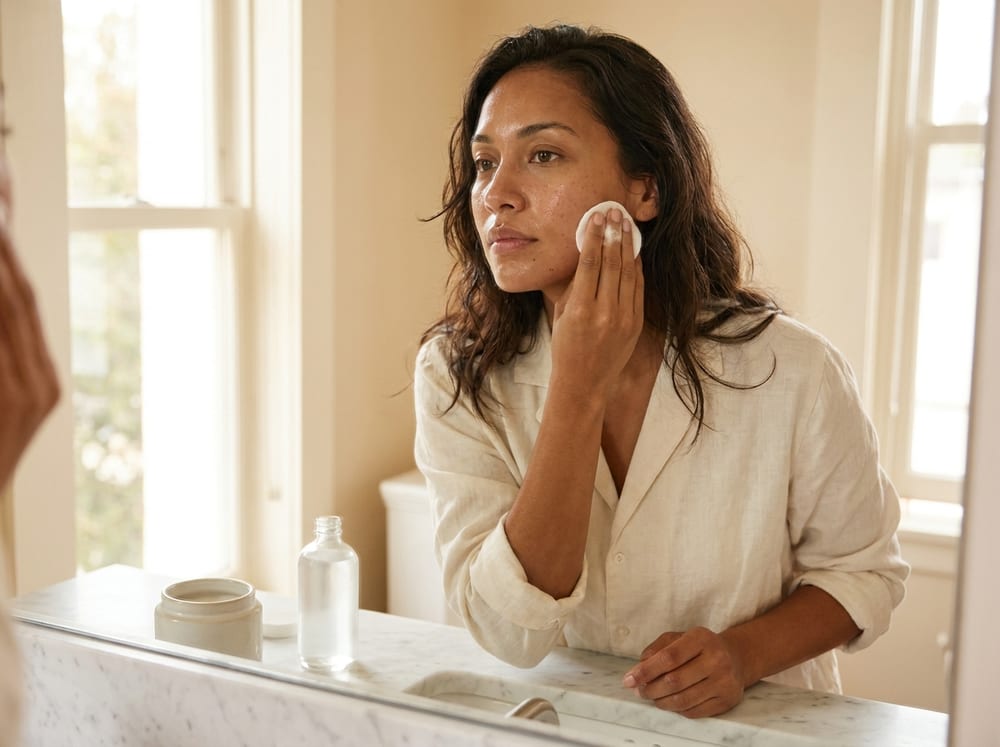
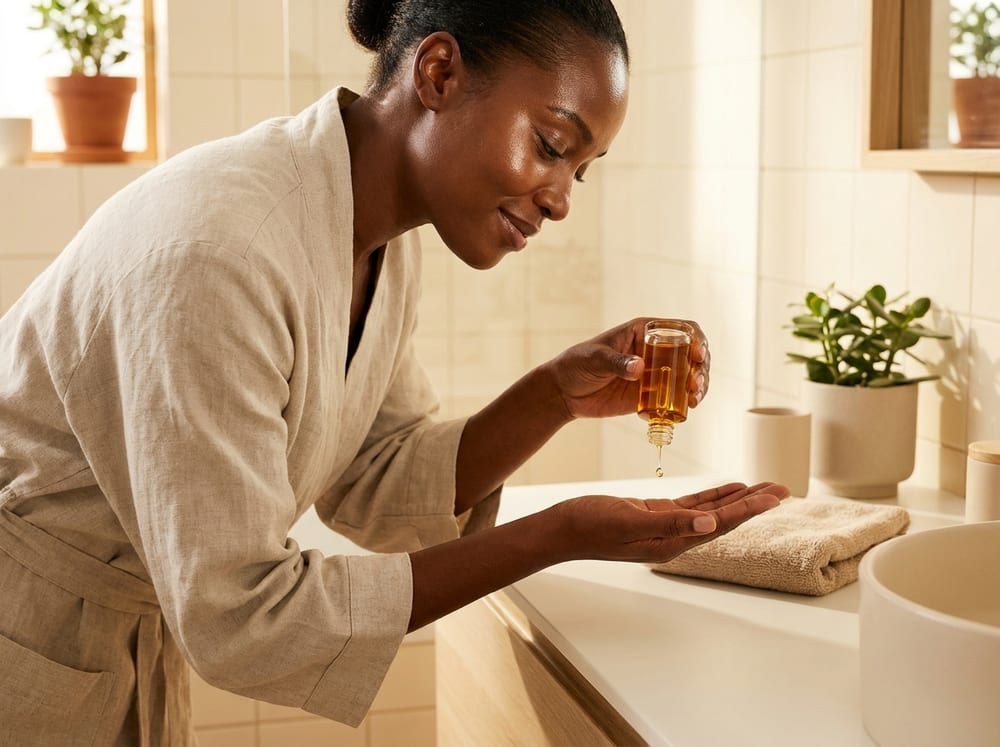
 A hydrating toner is a watery hit of humectants, glycerin, hyaluronic acid, panthenol, amino acids, pressed onto your skin while it's still damp from cleansing. It tops up surface water. It smooths things over so every serum and moisturizer that follows spreads and sinks in instead of sitting there doing nothing. That tight, stripped feeling some cleansers leave behind? Handled. What this step is not doing is treating anything. It's comfort and prep, full stop, and that's plenty.
 Emerging evidence Treat & Protect
 GHK-Cu is a copper-bound tripeptide, and its whole job is sending a signal: fibroblasts hear it and start producing more collagen and elastin. It also backs up your skin's own repair and antioxidant pathways while it's in there working. The result is a firming, replenishing effect built for lost density and elasticity overall, not one single complaint you're trying to fix.
 Moderate evidence Treat & Protect
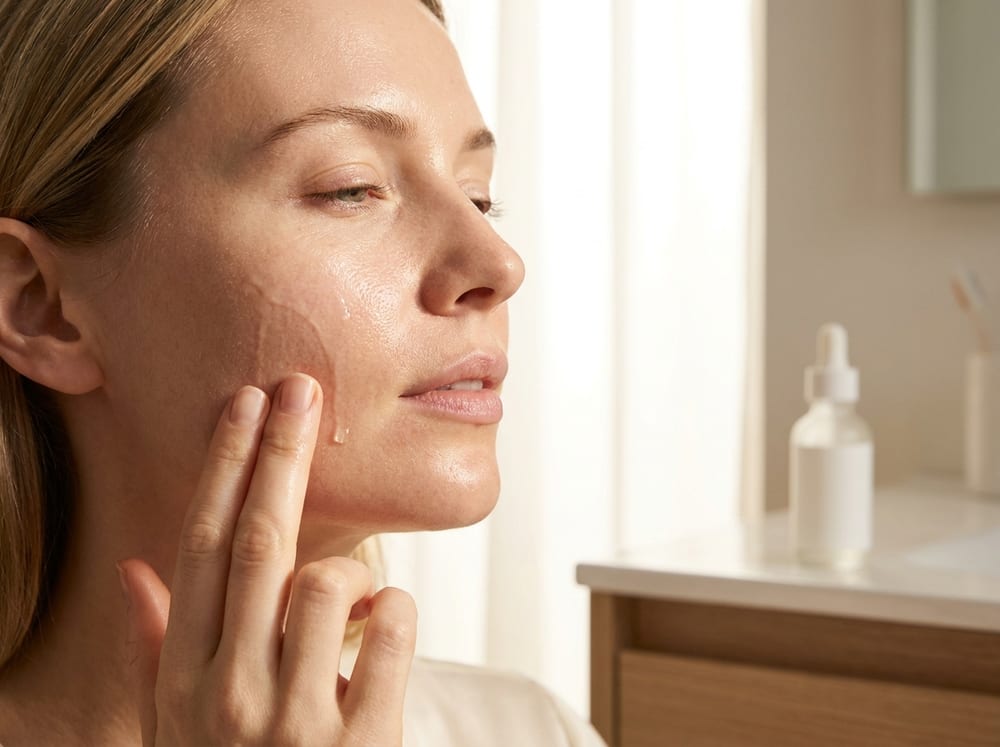
 Niacinamide is vitamin B3, and it's busy the moment it's on your skin: helping build ceramides and barrier lipids, keeping sebum in check, and calming down inflammatory signaling before it turns into a flare. It also blocks pigment from transferring up to your surface cells, which is the reason pores start looking smaller and tone starts looking even over time. Not magic. Just B3 doing its job.
 Strong evidence Treat & Protect
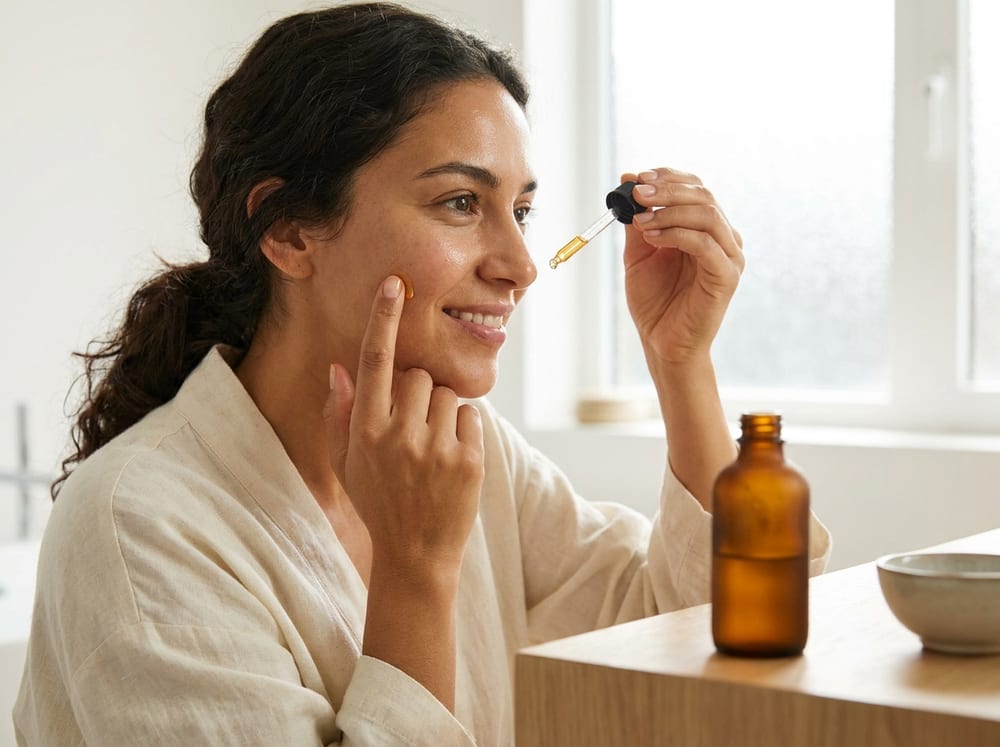
 Vitamin C, usually L-ascorbic acid, goes after the free radicals that UV and pollution throw at your skin all day and neutralizes them on the spot. It is also a required cofactor, not a nice-to-have, for the enzymes that build collagen. On top of that, it interrupts excess melanin production, which is the reason consistent use gradually brightens tone and fades dark spots. One ingredient, three jobs.
 Moderate evidence Hydrate
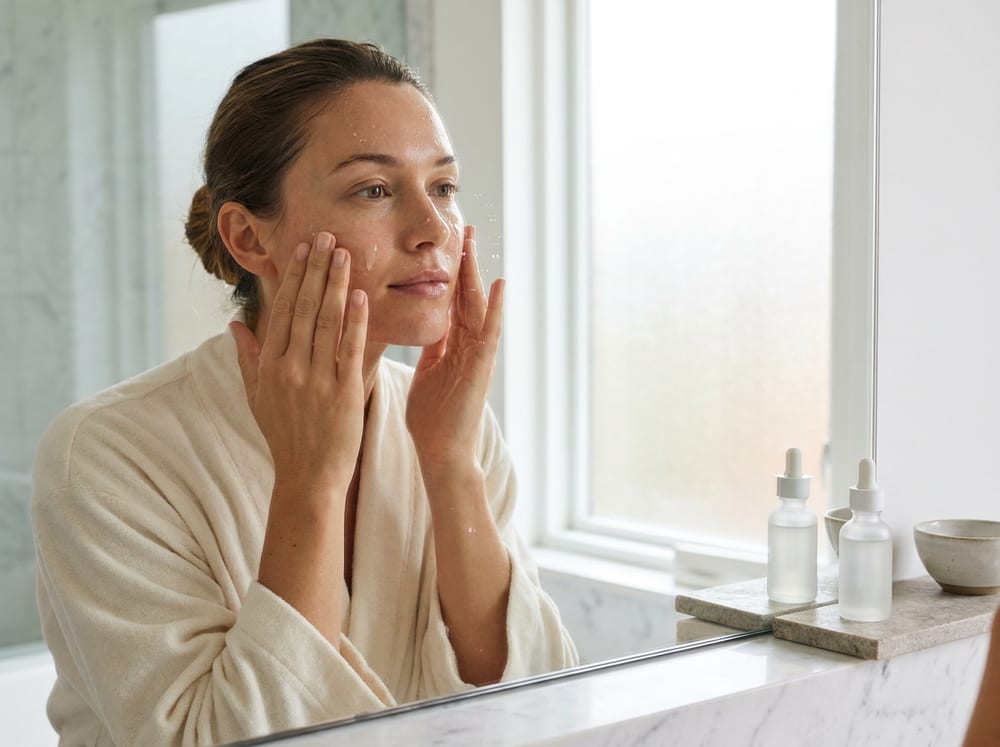
 Hyaluronic acid is a humectant, and it binds many times its own weight in water, hauling moisture straight into the upper layers of your skin. Lower-molecular-weight fragments settle into the surface. Larger ones hold a film of water right on top. The result: skin that looks plumper and fine lines from dehydration soften. Temporarily. Here's the thing to remember: it hydrates. It does not seal. That's exactly why it sits under a moisturizer instead of replacing one.
 Strong evidence Exfoliate
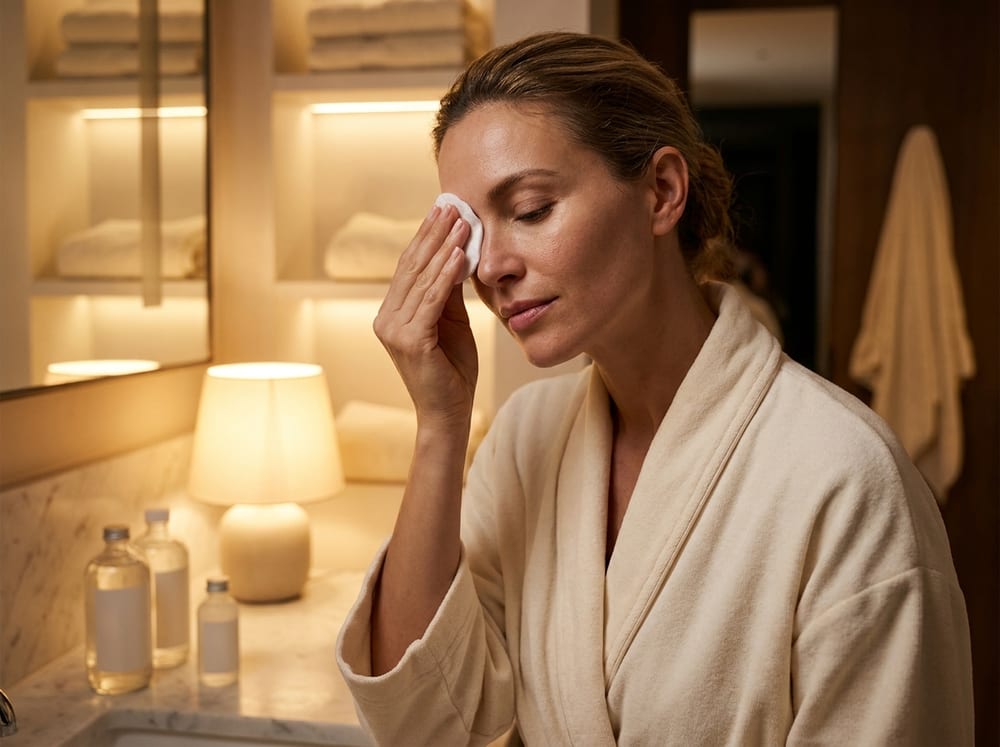
 Glycolic and lactic acid, your alpha-hydroxy acids, dissolve the bonds holding dead cells to the surface, so texture smooths out and skin brightens. Salicylic acid is the beta-hydroxy, and because it's oil-soluble, it slides straight into the pore, clears out sebum, and calms acne while it's down there. Two acids. Two different jobs. Together they resurface skin and keep pores clearer.
 Moderate evidence Renew
 Retinal, also called retinaldehyde, is a vitamin A derivative, and it only needs one conversion step to become active retinoic acid in your skin. Once it's there, it binds retinoid receptors and gets to work. Cell turnover speeds up. Collagen production climbs. Pores start shedding cells the way they're supposed to instead of clogging up. One ingredient, three problems handled at once: fine lines, uneven texture, clogged pores. That's the whole deal.
 Moderate evidence Eye Care
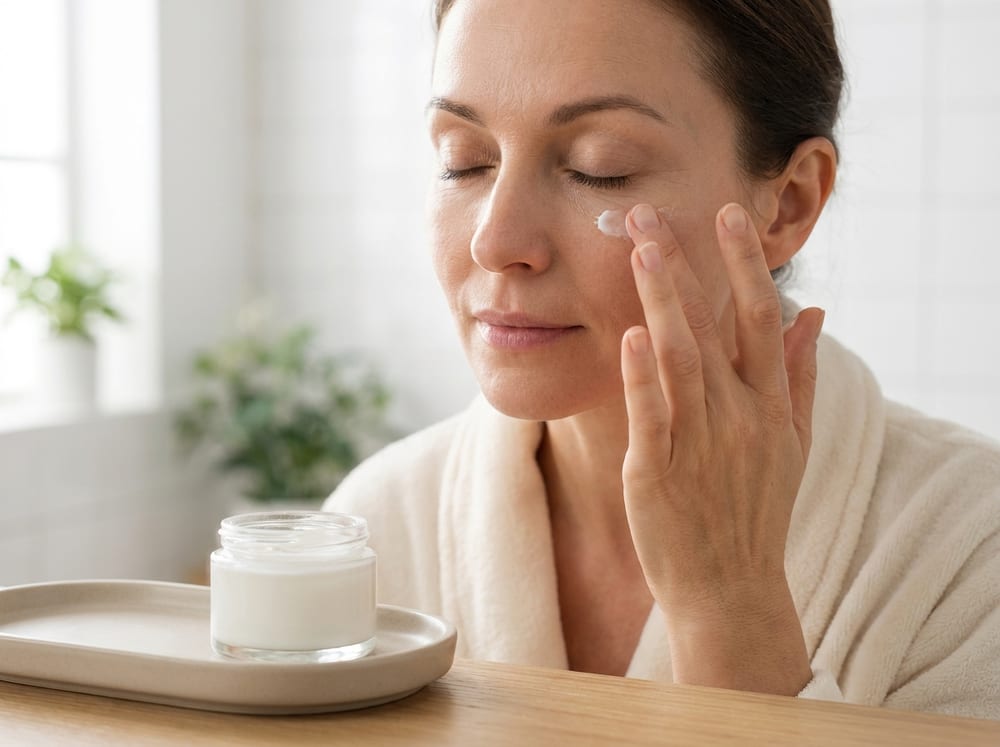
 Short-chain signal peptides are thought to nudge your fibroblasts into producing collagen and matrix, the scaffolding of your skin. Meanwhile the humectant and emollient base cushions the thin, constantly moving skin around your eye and softens the look of that fine, dehydration-related creping. Two jobs, one small jar.
 Strong evidence Moisturize
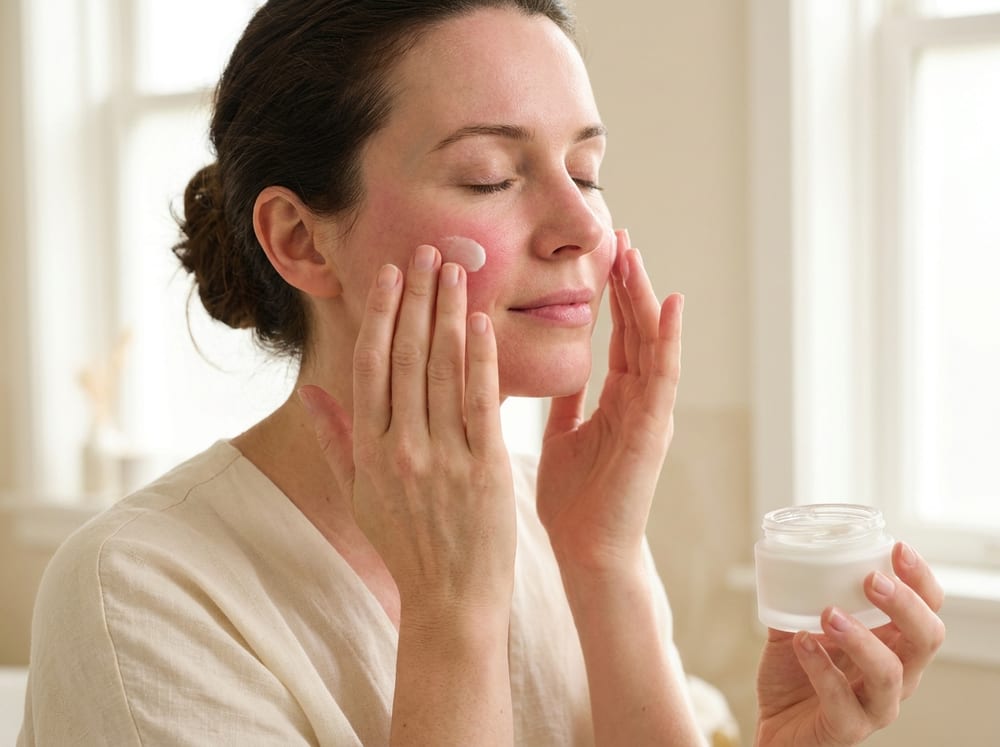
 Ceramides, cholesterol, and fatty acids, in the same balanced ratio your skin uses, replenish the lipids of your outer barrier. That restores the mortar between skin cells, so the barrier holds water better and stops letting in the irritants behind your redness and stinging.
 Strong evidence Moisturize
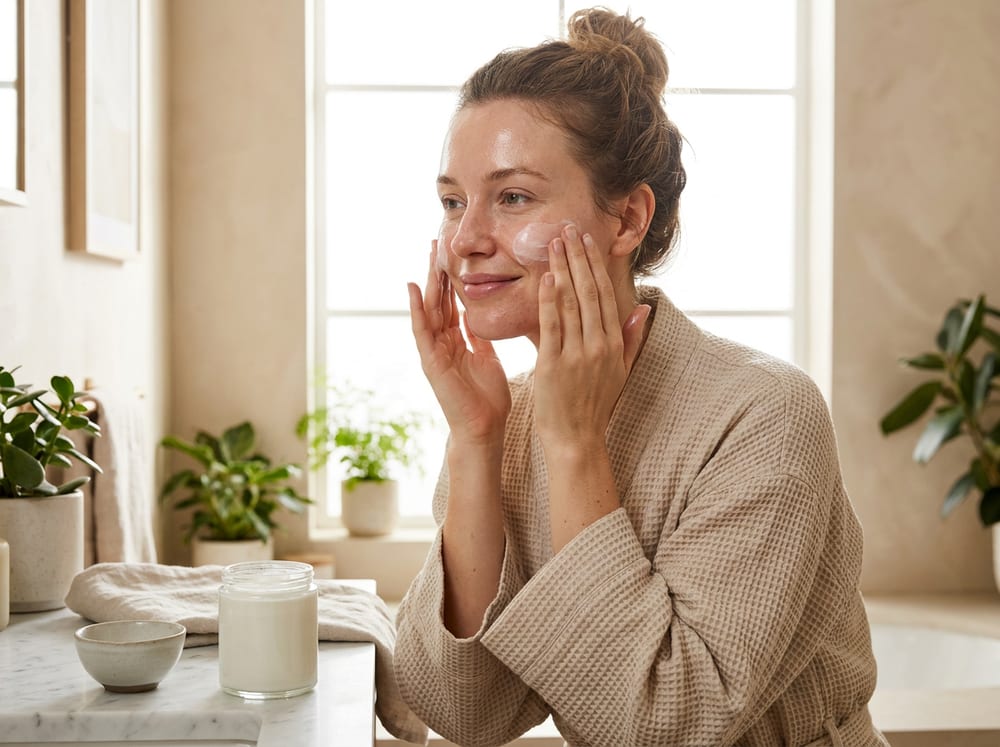
 Ceramides are the lipids that fill the gaps between your skin cells, the mortar of your outer barrier. Depleted or compromised skin is missing mortar. Topical ceramides, usually paired with cholesterol and fatty acids, replace exactly what's missing. Less water escapes through the surface, and the reactivity that comes with a weak barrier calms down. The result: skin that holds its own moisture and stops overreacting to everything around it.
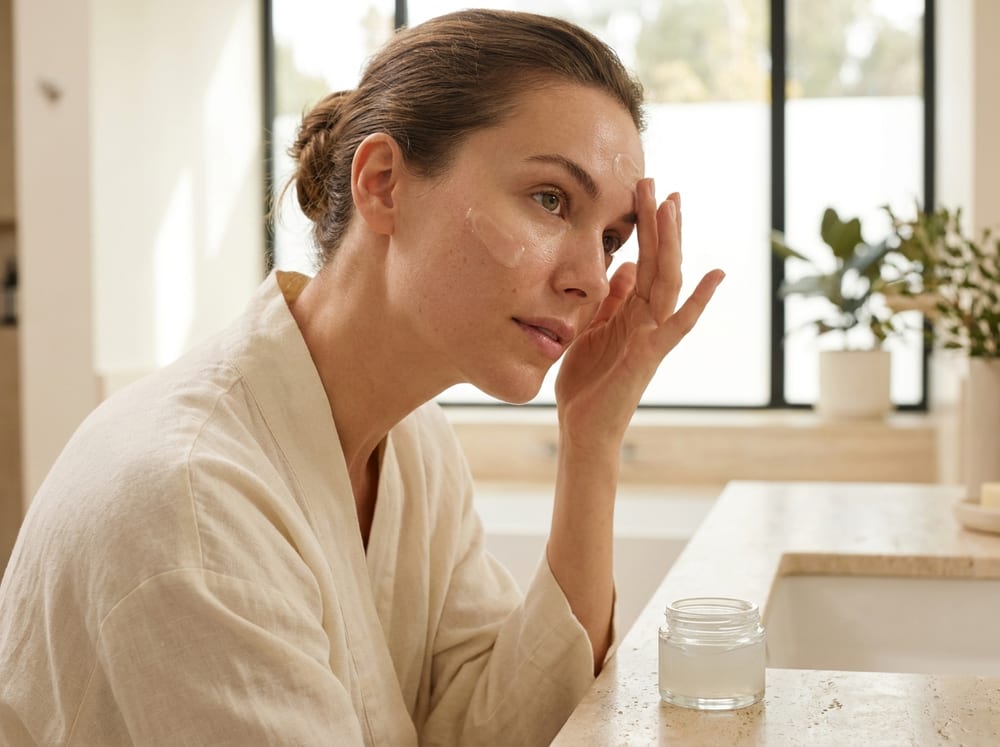 Moderate evidence Moisturize
 A gel moisturizer skips the heavy occlusive oils entirely and hydrates with humectants, glycerin, hyaluronic acid, and other lightweight water-binding agents instead. Translation: your oily or combination skin gets real hydration without the grease, without that heavy pore-clogging feel weighing it down. Your barrier stays supported. Your finish stays matte. Both, not one or the other.
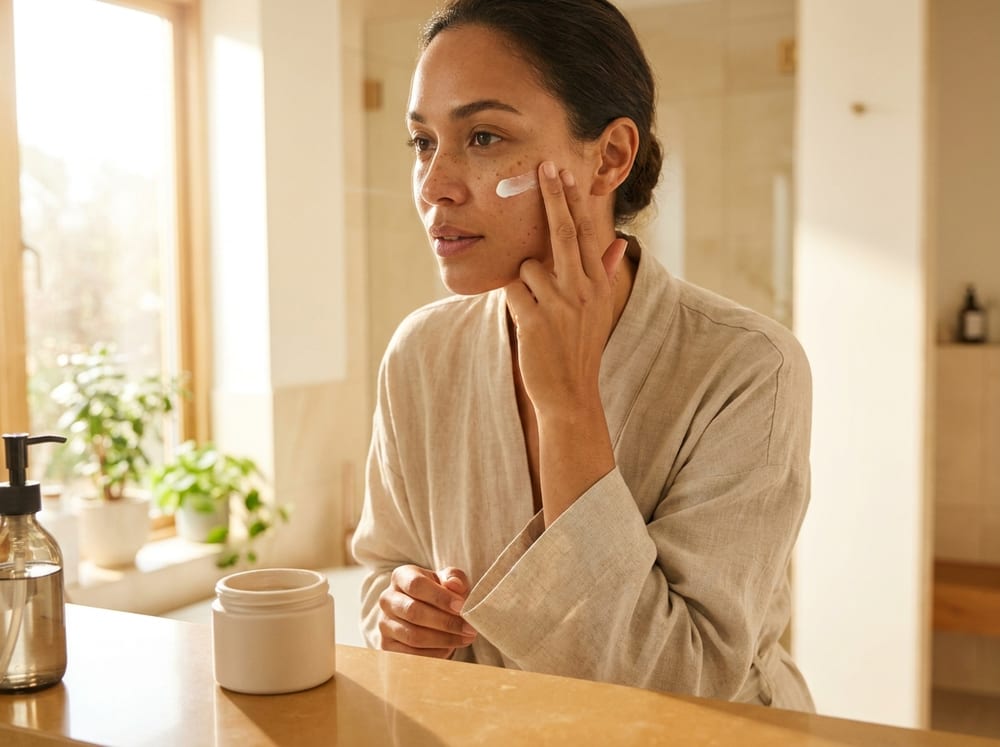 Strong evidence Sunscreen
 Broad-spectrum means it's handling two threats at once: UVB, the one that burns you, and UVA, the one quietly aging you and triggering uneven pigment. It works by absorbing that radiation or reflecting it away from your skin, either way, it's not getting in. Block the exposure that breaks down collagen and stirs up uneven melanin today, and you're the one who isn't dealing with the lines, dark spots, and rough texture showing up years from now.
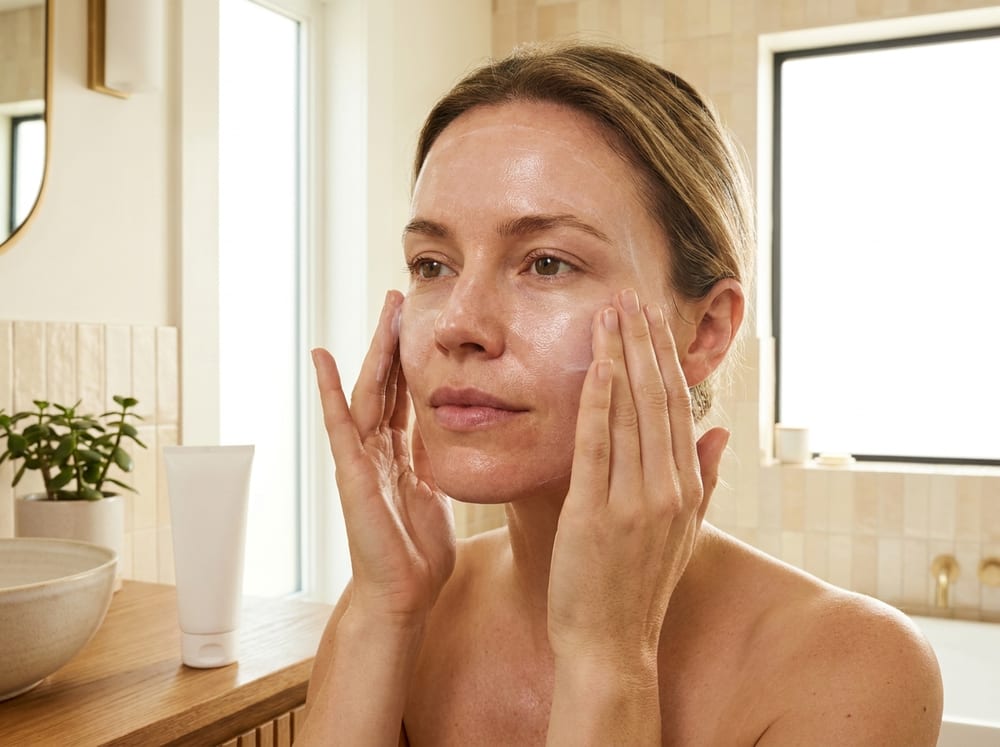 Strong evidence Sunscreen
 Zinc oxide and titanium dioxide sit right on top of your skin and go to work reflecting and absorbing UVA and UVB, the radiation responsible for your sunburn, your collagen breakdown, and every extra bit of pigment production you didn't ask for. They're mineral filters, so they're protecting you the second they're on, no waiting around, and reactive skin tends to tolerate them just fine.
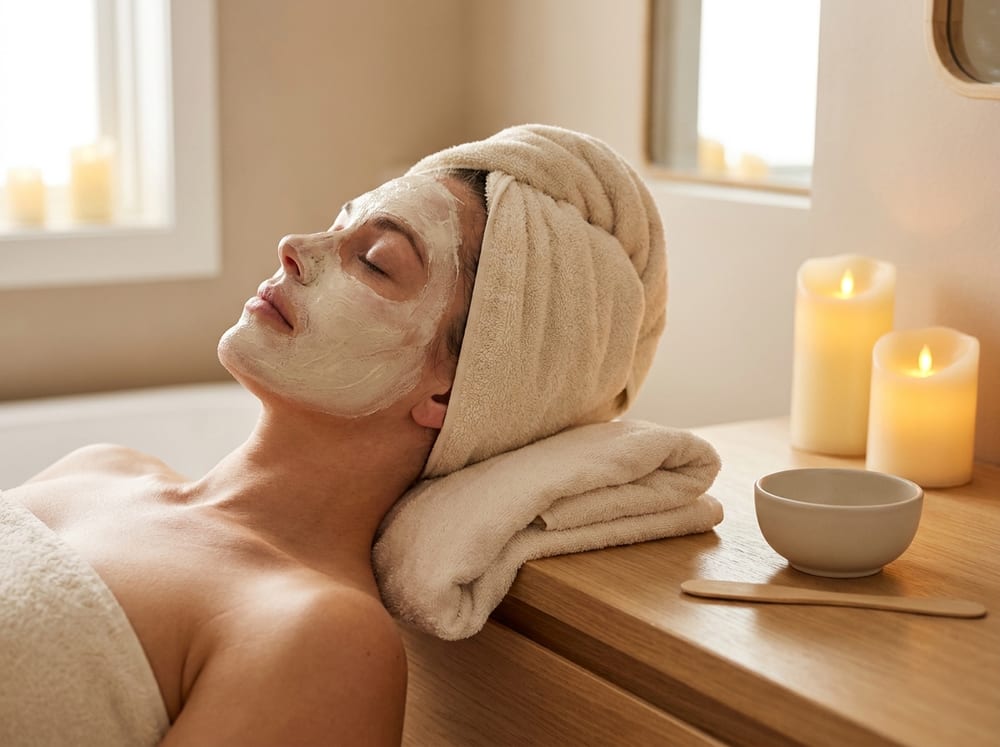 Moderate evidence Weekly Treatment
 A concentrated dose of humectants, glycerin and hyaluronic acid among them, draws and holds water in the upper layers of skin, while occlusive and emollient agents slow the water loss happening underneath. The payoff is a temporarily plumper, more even surface that reflects light better. Temporarily being the operative word.
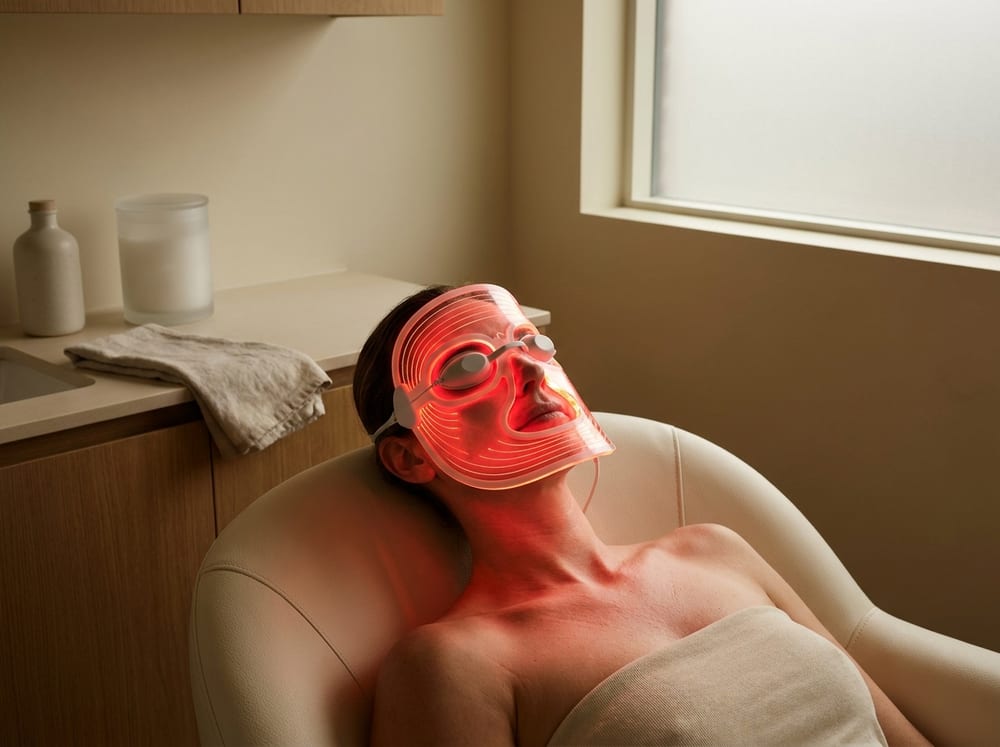 Emerging evidence Red-Light Therapy
 Red and near-infrared wavelengths get absorbed straight into your mitochondria, and the working theory is that this nudges cellular energy production and fibroblast activity, which may gradually support collagen and a calmer, more even-looking complexion. Emphasis on may. Emphasis on gradually.
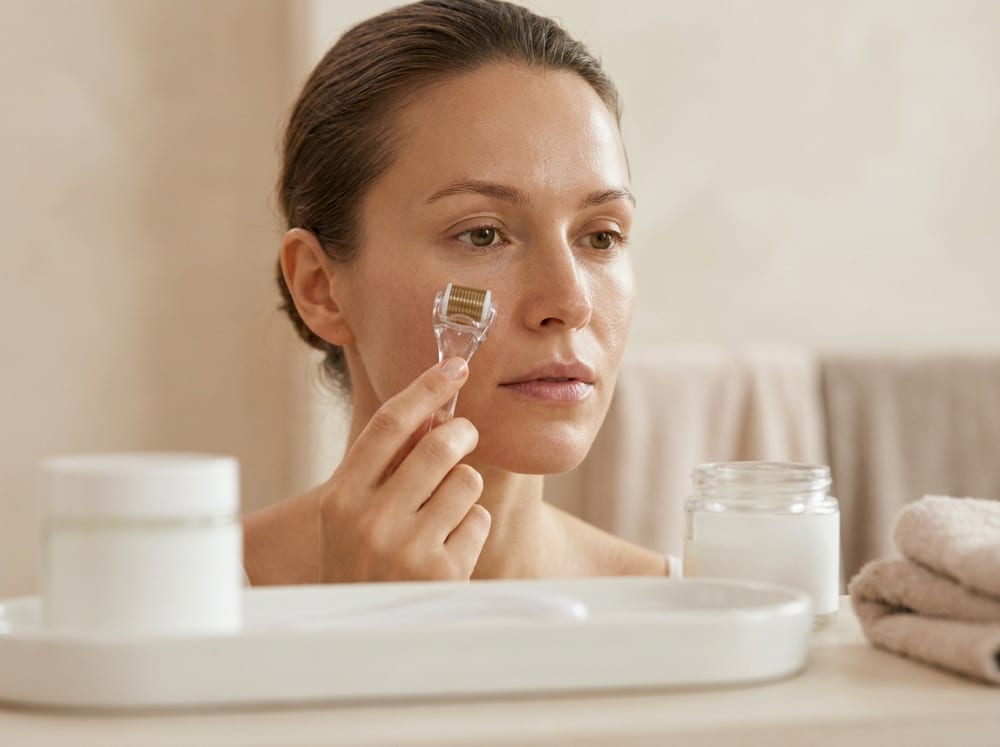 Emerging evidence Tools
 A 0.25mm cosmetic roller passes rows of very short microneedles across your skin, creating a shallow disruption of just the outermost layer. That's thought to briefly help a water-based serum penetrate better and hand you a light, temporary smoothing and glow. Key word: temporary. It works at the surface only. Here's what this is not: clinical microneedling, where a professional uses needles 0.5mm or longer to reach the dermis and trigger a real wound-healing, collagen-building response. That depth belongs in a treatment room, not your bathroom.
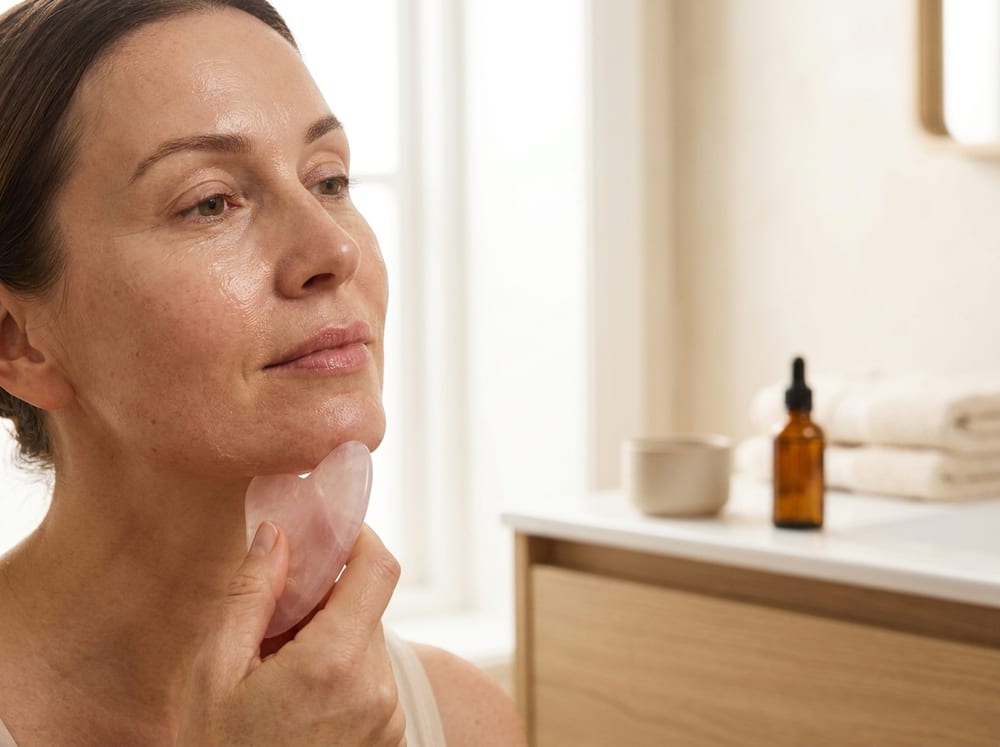 Emerging evidence Tools
 A smooth jade or quartz stone glides along your face and neck with light, even pressure. That gliding motion is thought to briefly encourage lymphatic and superficial fluid movement and relax the muscles of facial expression, and the payoff is skin that looks momentarily de-puffed, warmer, and more awake. Momentarily is the key word. This works on soft tissue and fluid only. It does not lift, tighten, or reshape bone or any lasting structure. A stone is not a scalpel.
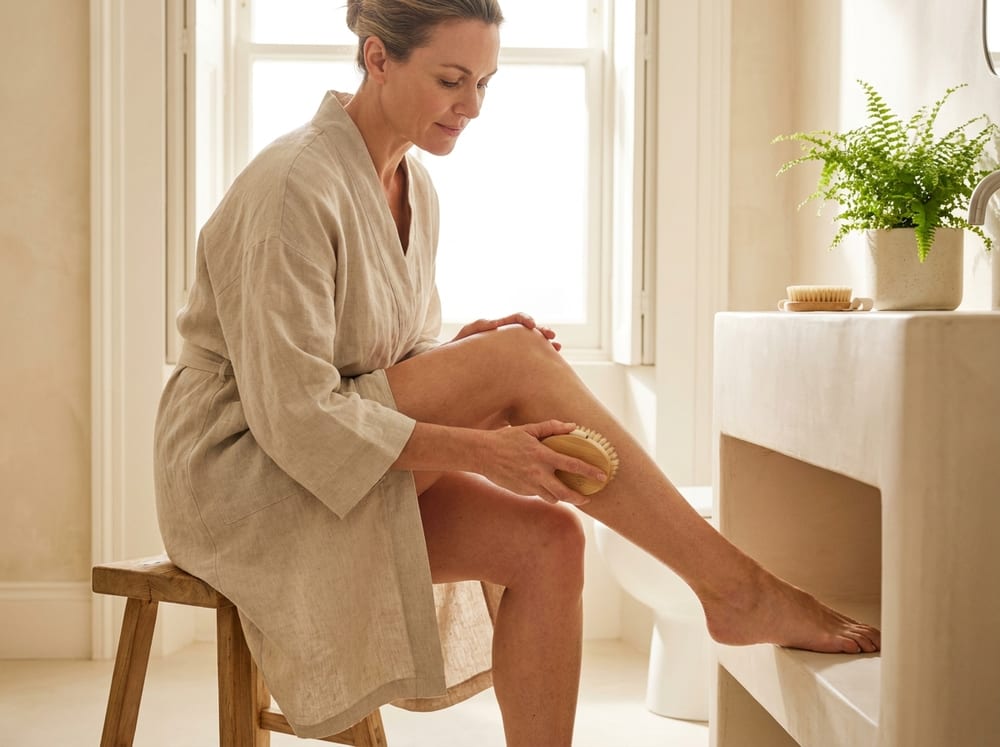 Emerging evidence Body Exfoliation
 A natural-bristle brush swept over completely dry skin before you shower sloughs off flaky surface cells and leaves the body feeling smoother and genuinely stimulated. That part is real: the physical exfoliation, the invigorating feel of it. What is not real: the claim that dry brushing 'detoxifies' you, drains your lymph, or melts away cellulite. Girl, no. A brush is a brush.
 Moderate evidence Body Exfoliation
 A loofah or body scrub physically buffs away the loose, dead surface cells making your body skin look dull and feel rough. It also keeps follicles clear, so ingrown hairs and 'chicken-skin' bumps (keratosis pilaris) are less likely to show up in the first place. Here's the catch: that same friction, overdone, wrecks the barrier instead of helping it. Light pressure and modest frequency win. Scrubbing hard does not.
 Strong evidence Body & Foot Care
 A body lotion is doing three jobs in one bottle: humectants pull in water, emollients fill the gaps between skin cells, and occlusives slow the water loss. Apply it to skin that's still damp from the shower, and it traps that surface water right where you want it, then reinforces the barrier over all the real estate your face routine completely ignores. Arms, legs, back, and torso. The whole rest of you deserves the same attention.
 Strong evidence Body & Foot Care
 A dedicated foot cream brings a high concentration of urea, often 10 to 25 percent, a humectant that also gently dissolves the thick, hardened keratin built up on heels and calluses, backed up by emollients and occlusives. That combination softens rough, fissured heel skin and pushes real hydration into the toughest skin on your body. This is exactly the skin that cracks first, in dry climates, in winter, and for people with diabetes.
 Strong evidence Self-Tan
 Here's the chemistry behind that glow: DHA, dihydroxyacetone, a simple sugar, reacts with amino acids sitting in your outermost dead skin cells and forms brown pigments called melanoidins. That's it. That's the whole tan. It's a surface color change happening in the stratum corneum, not melanin production, not a UV tan of any kind, which is why it shows up within hours and fades over several days as those dead cells slough off on schedule. Because the color comes from a chemical reaction on cells that are already dead, not from ultraviolet damage to living tissue underneath, you get the look of a tan without the DNA damage, the collagen breakdown, or the pigment disruption that sun or a tanning bed hands you.
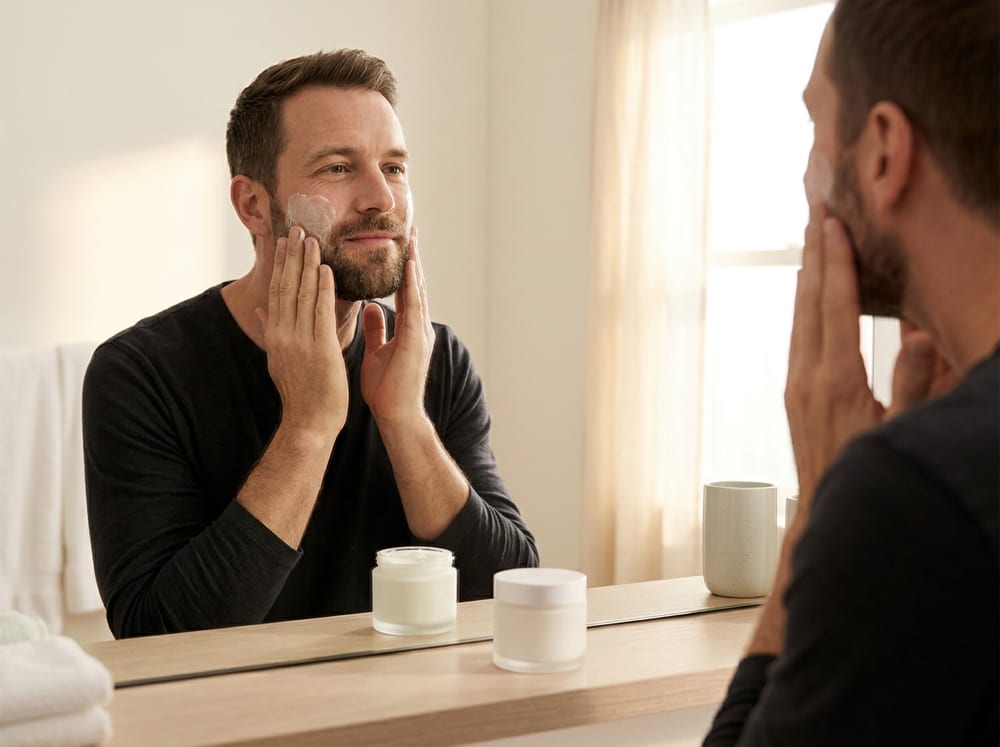 Strong evidence Shaving
 Let's call shaving what it is: controlled exfoliation. That blade is lifting dead cells and shaving off the top of your skin's barrier right along with the hair, and for a while afterward your skin is more permeable and losing water faster than it should. An alcohol-free balm layers emollients and occlusives over that freshly disrupted surface, slows the evaporation, and calms the temporary inflammatory flush. Skipping the alcohol is not optional here: a stinging astringent on skin you just abraded adds irritation. It does not calm anything.
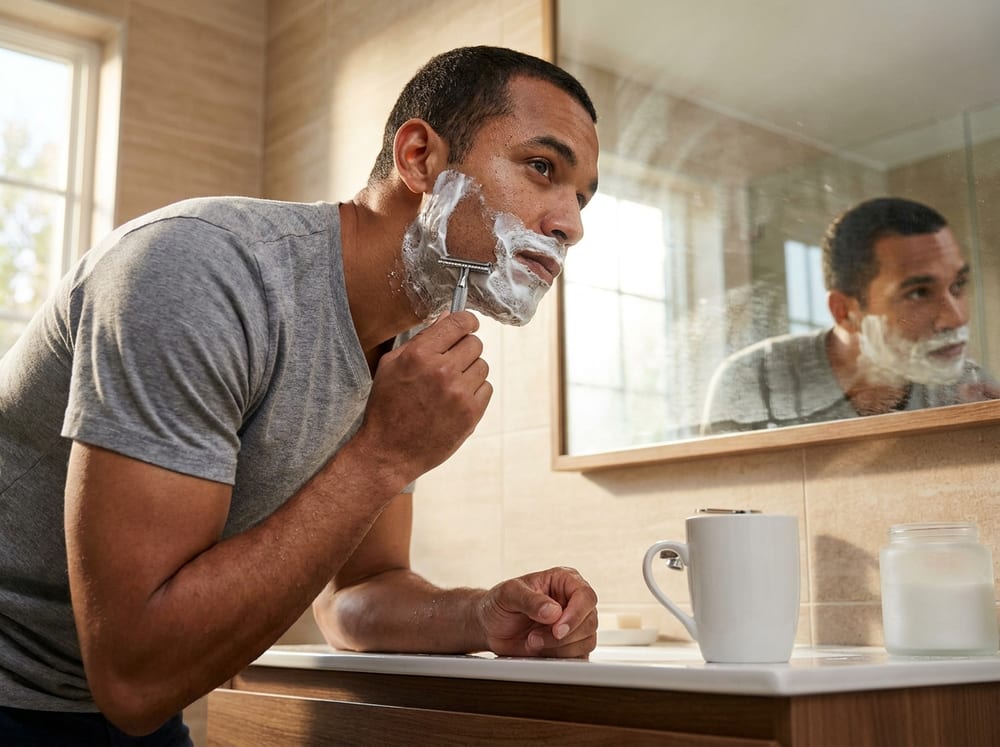 Strong evidence Shaving
 A shave is just a fine edge cutting hair at or just above the surface, and how much force that takes comes down entirely to how sharp the edge is. A clean, sharp blade takes each hair in one light stroke and barely touches the skin doing it. A dull or clogged one drags. It forces repeat passes and extra pressure, and that's what abrades the surface, inflames the follicles, and cuts hair at the exact angle that lets it curl back in as an ingrown. Warm water softens the hair and swells the follicle first, so every stroke after that needs less force. A single-blade safety razor cuts each hair once. A multi-blade cartridge lifts the hair before it cuts, that lift-and-cut sequence. That's exactly why a cartridge shave leaves the tip sitting below the skin instead of flush with it. For a lot of men, that difference is what keeps a single blade the better bet against ingrowns.
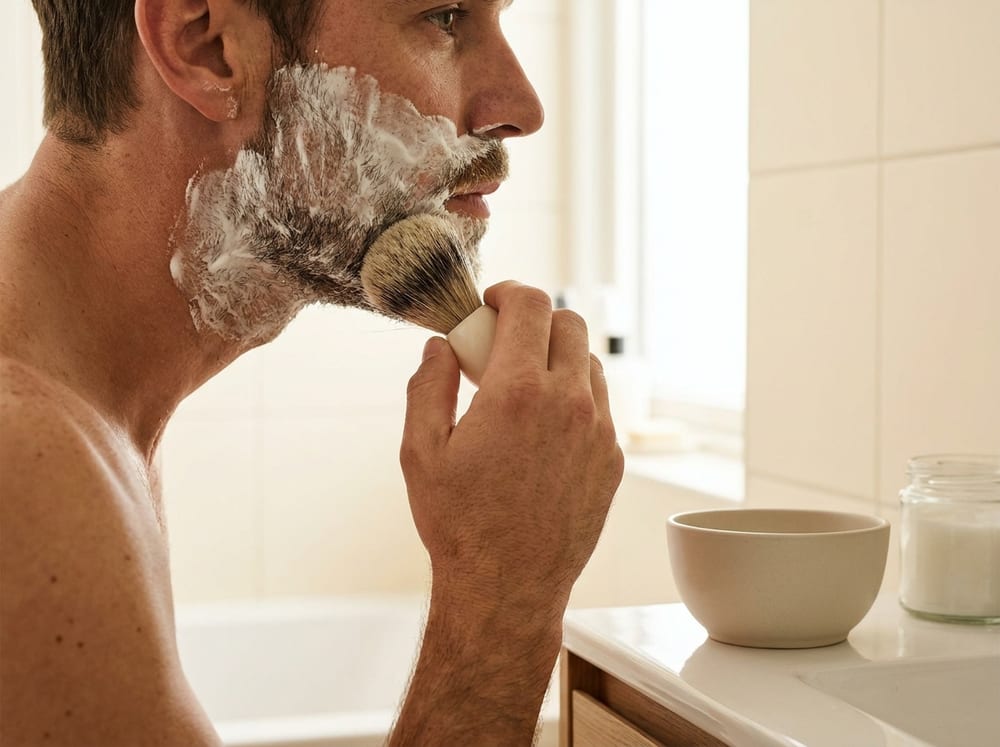 Strong evidence Shaving
 A good shave cream or gel hydrates the hair shaft until it swells, and a swollen hair cuts easier, plain and simple. The slip layer it leaves behind is what lets the blade glide instead of drag. That cushion is doing real work: less friction, fewer repeat passes, which is exactly what causes razor burn in the first place. Cut cleaner, cut once, and the hair is far less likely to curl back into your skin as an ingrown.
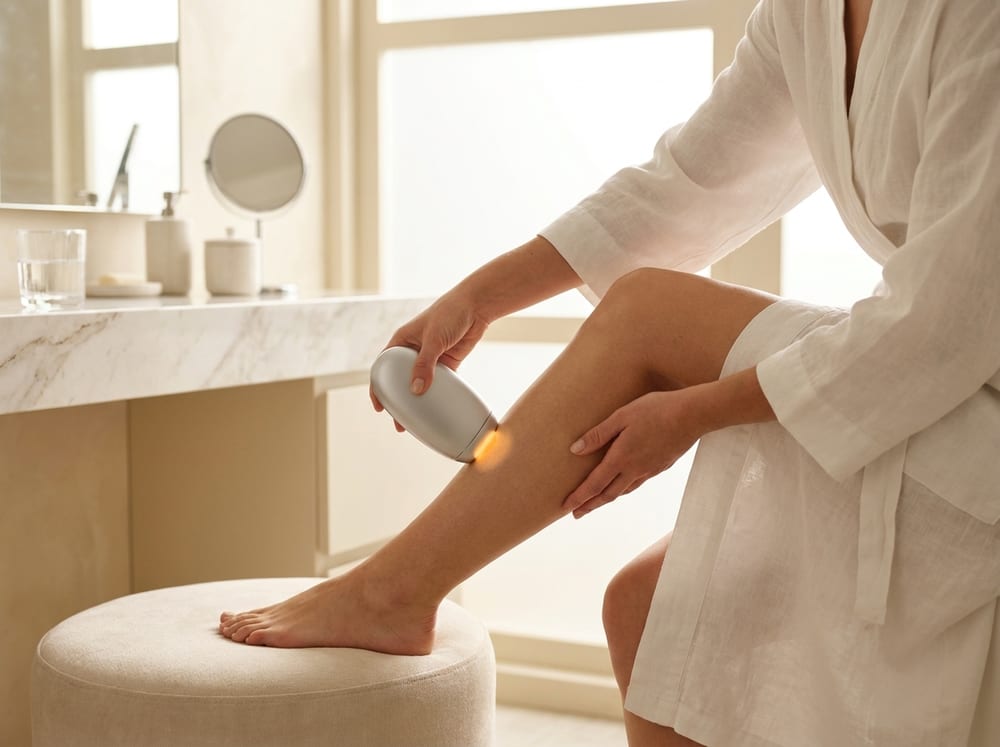 Moderate evidence Hair Removal
 Here's the mechanics: an at-home IPL device fires broad-spectrum pulses of light at your skin. The melanin sitting in the hair shaft soaks that light up and converts it straight to heat. That heat runs down the hair into the follicle and damages the structures responsible for growing the next one, pushing the follicle toward a dormant, finer-growth state the more sessions you put in. This only works because it's chasing pigment, so it needs contrast: dark hair against lighter skin, so the light goes for the hair and not the skin around it. Light-to-medium skin with dark hair is the sweet spot. Blonde, red, grey, or white hair? There's no pigment there to grab onto, so IPL barely does a thing.
 Strong evidence Hair Removal
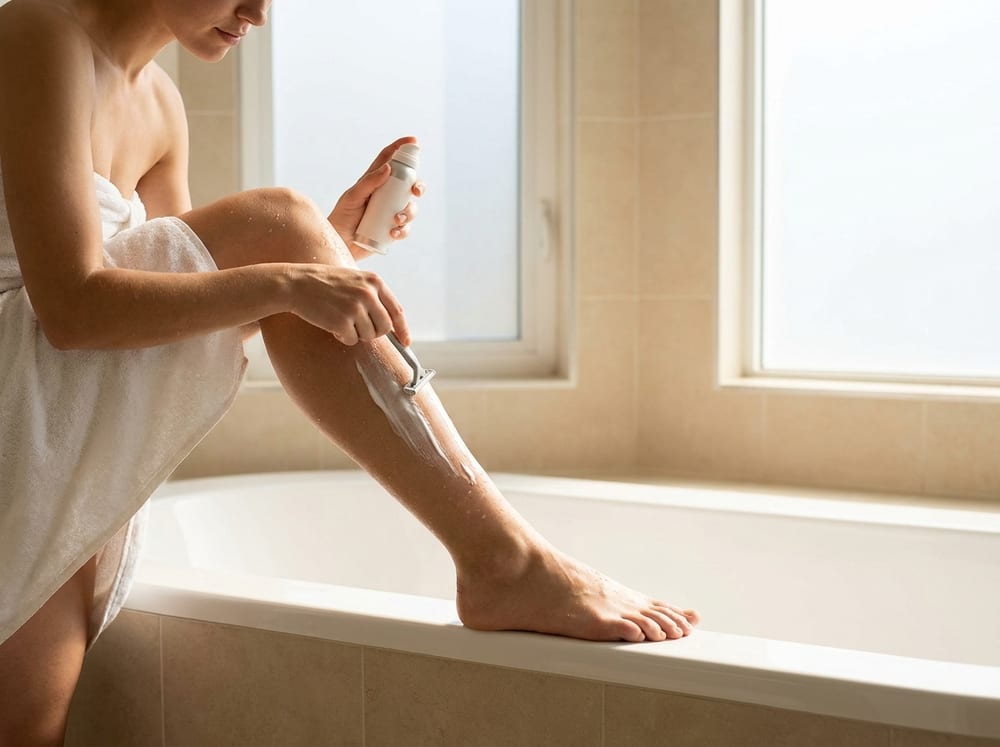
 A razor cuts each hair shaft off at or just above the surface by drawing a fine edge across your skin, and how gentle that feels comes down to two things: how sharp the blade is, and how much slip there is between blade and skin. Warm water goes first because it softens the hair and swells the follicle, so the whole thing cuts with less force. A cushioning shave gel lays down a slick layer that lets a sharp multi-blade head glide through in one light pass instead of dragging and demanding repeat strokes. That cushion is the line of defense against razor burn and nicks, because most irritation traces back to a dull or clogged blade tugging at your skin, or to pressing hard and re-passing the same patch over and over. Cut the hair cleanly instead of at a ragged angle and you also lower the odds of it curling back in as an ingrown. Exfoliate gently beforehand and you clear out the dead surface cells and loose hairs that would otherwise trap a tip below the surface.
 Emerging evidence Hair Removal
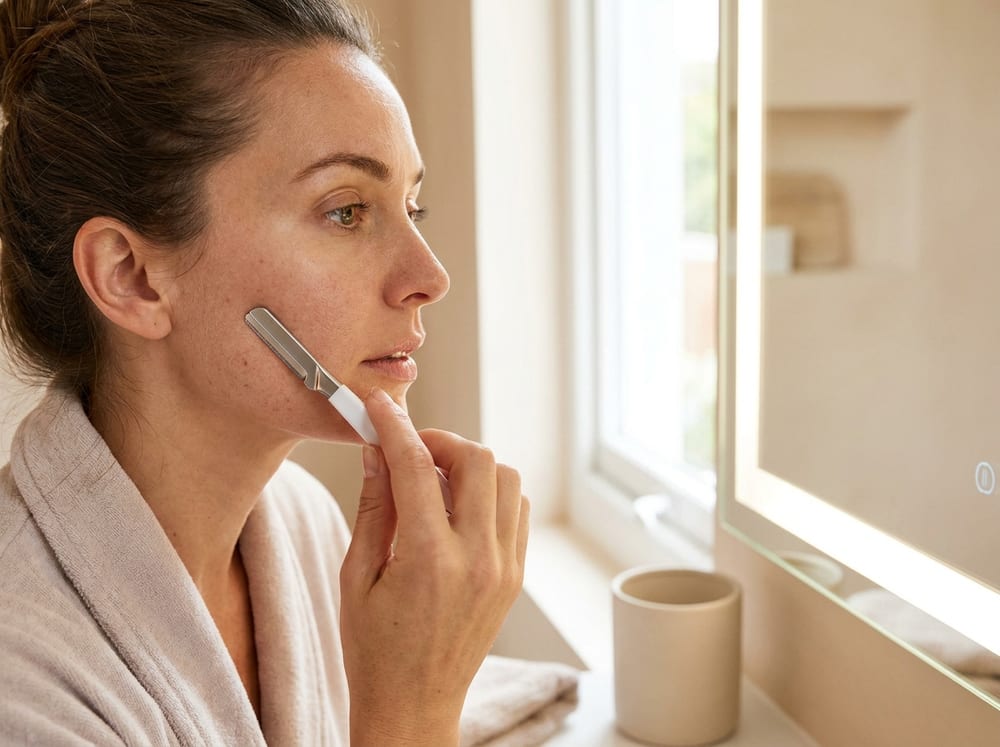
 A dermaplaning tool holds a single fine blade at a low angle, and with short strokes over taut skin, it shaves away the fine vellus 'peach fuzz' while lifting off the loose layer of dead surface cells at the same time. That's physical exfoliation, two jobs done in one pass. Skin ends up smoother, a touch brighter, and foundation glides on instead of catching. Now, about that myth: vellus hair is cut at the surface, not damaged at the root, so it grows back with the exact same fine, soft texture within days. It does not come back thicker. It does not come back coarser or darker. That old wives' tale can retire.
 Moderate evidence Hair Removal
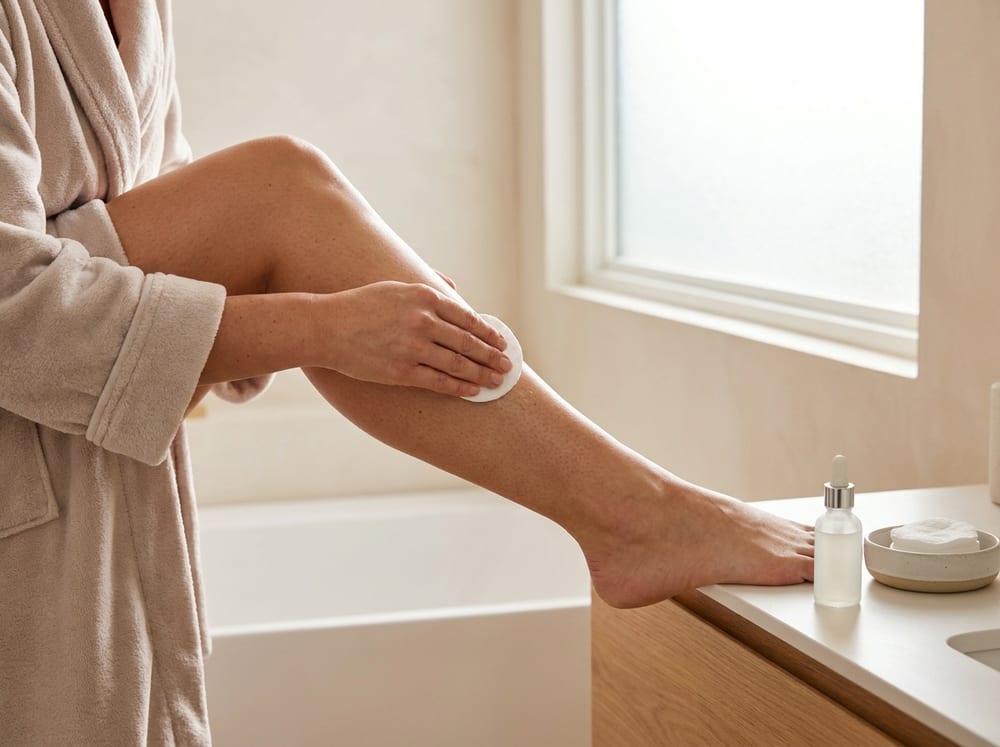
 Here's what's happening under that bump: a hair curled back or grew sideways instead of clearing the follicle like it should have, and the bump is your skin's inflammatory reaction to a hair trapped where it doesn't belong. A leave-on chemical exfoliant goes after the real problem, the layer of dead cells and debris that traps hairs in the first place. Salicylic acid is an oil-soluble beta-hydroxy acid, so it gets down into the follicle and dissolves the keratin plug capping it shut. Glycolic acid is a water-soluble alpha-hydroxy acid that works the surface, breaking the bonds between dead cells so they shed instead of piling up. Clear the follicle mouth and a trapped hair can finally reach the surface. That's what calms the raised, inflamed bumps of razor irritation, fades the clogged dark dots of strawberry legs, and smooths the sandpaper texture of keratosis pilaris, which is really just keratin building up around the follicle.
Nothing matches all of those.
The rest of the mirror: teeth, eyes, underarms, the skin below the chin, and makeup graded on wear rather than promises. One low-effort pick per job, for the mornings when the routine has to fit inside four minutes.
Peroxide strips are the rare cosmetic with randomised trials: real shade change in two weeks, sensitivity as the trade-off. Fourteen days, ten minutes a day.
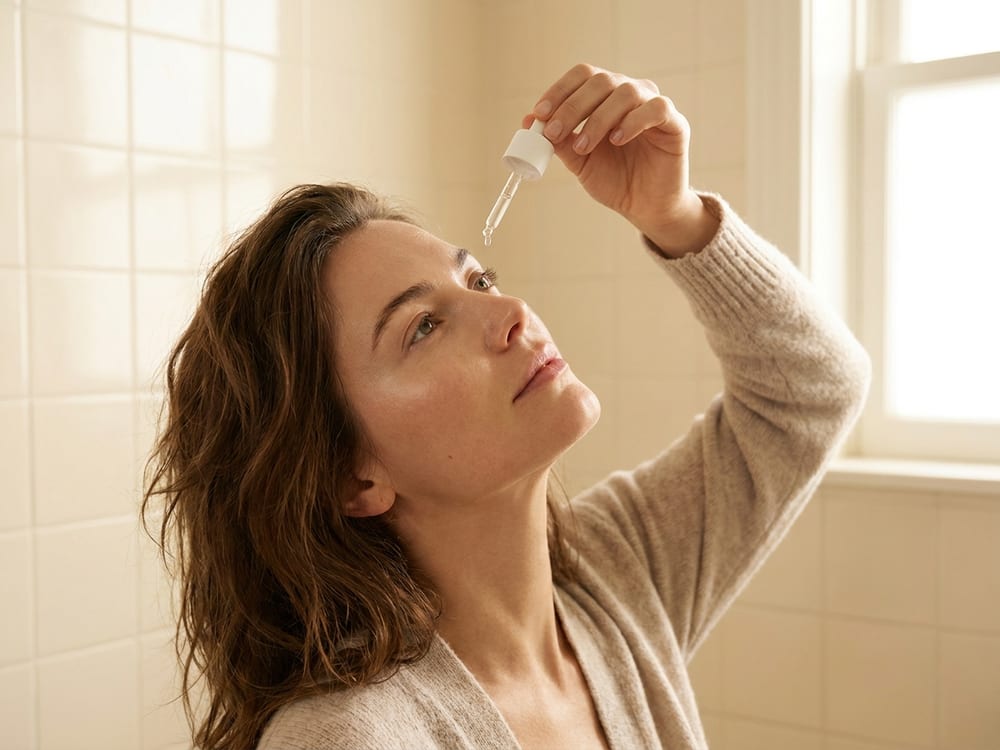
Brimonidine reaches the vessels the old drops missed, without their rebound. One drop, about a minute, up to eight hours.
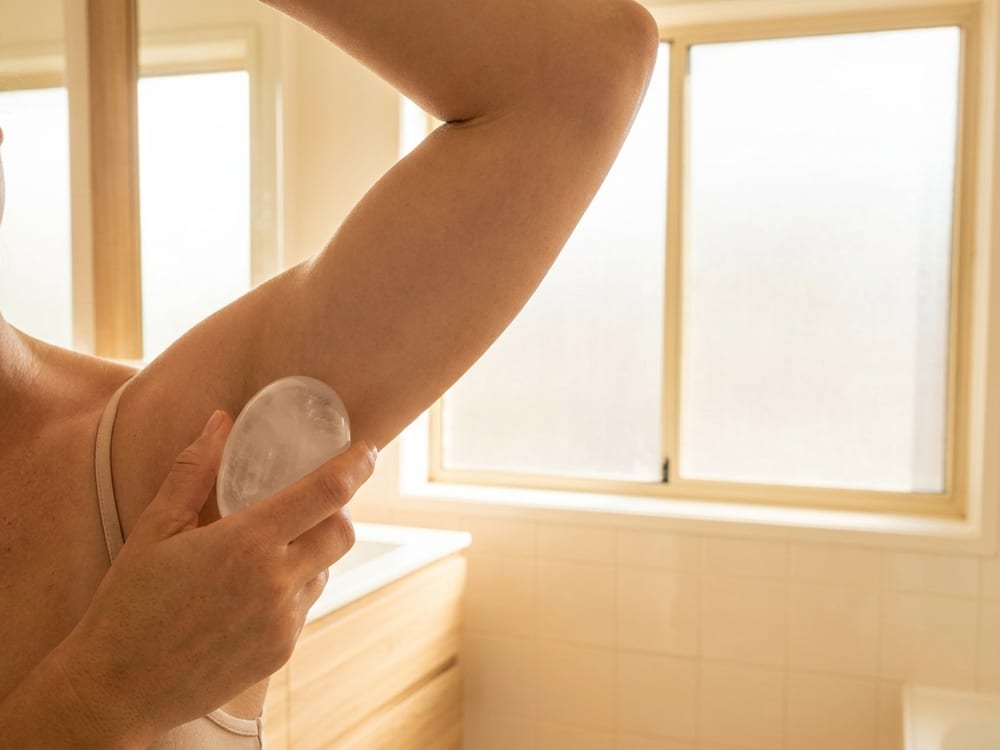
An alum stone is not an antiperspirant: it leaves sweat alone and starves the bacteria that make sweat smell. One stone is about a year of mornings.
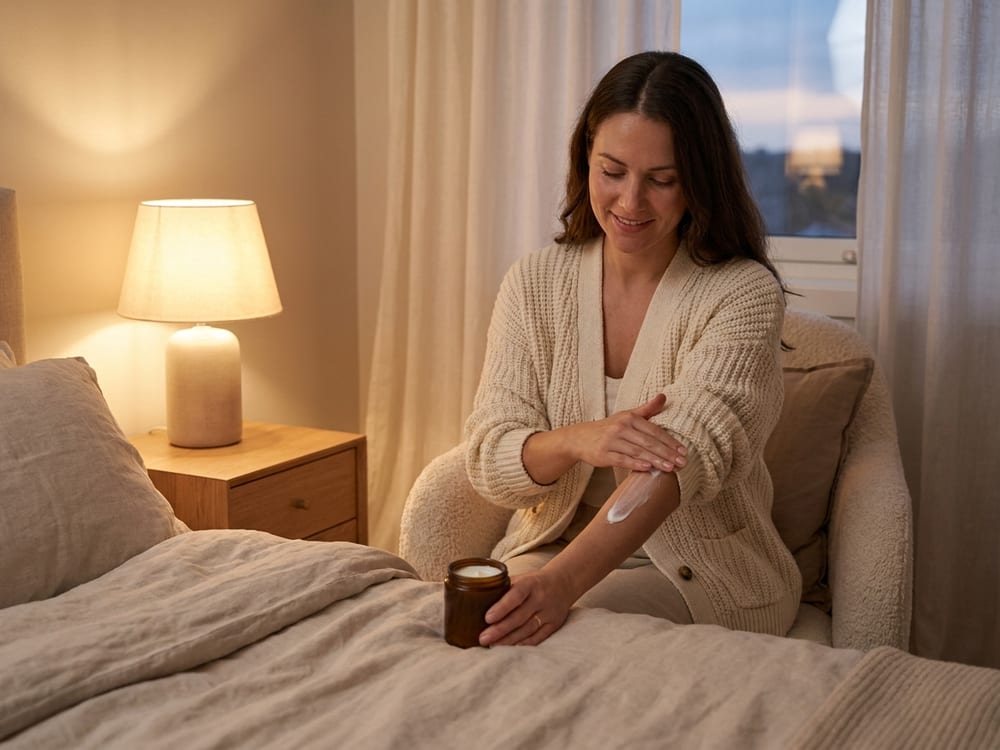
The one body lotion whose active has a name in the literature. OS-01 carries early, company-funded human data on skin ageing markers, which is early, and also more than the rest of the shelf.
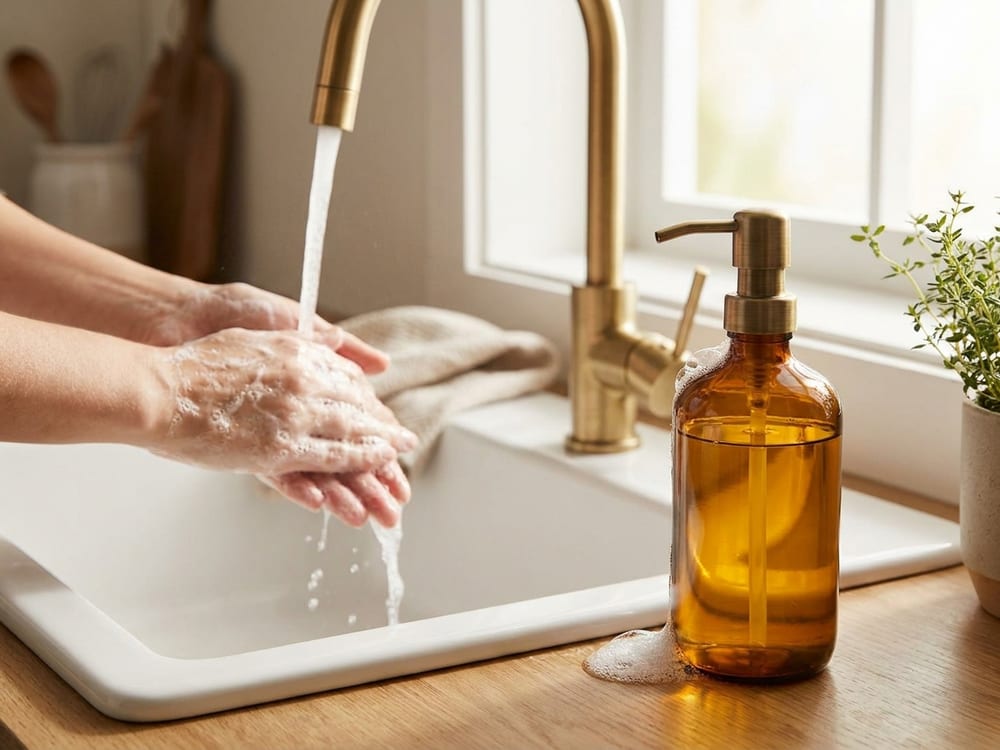
Fragrance is one of the most common contact allergens there is. An unscented castile bar is the quiet fix, and it works out cheaper than whatever it replaces.
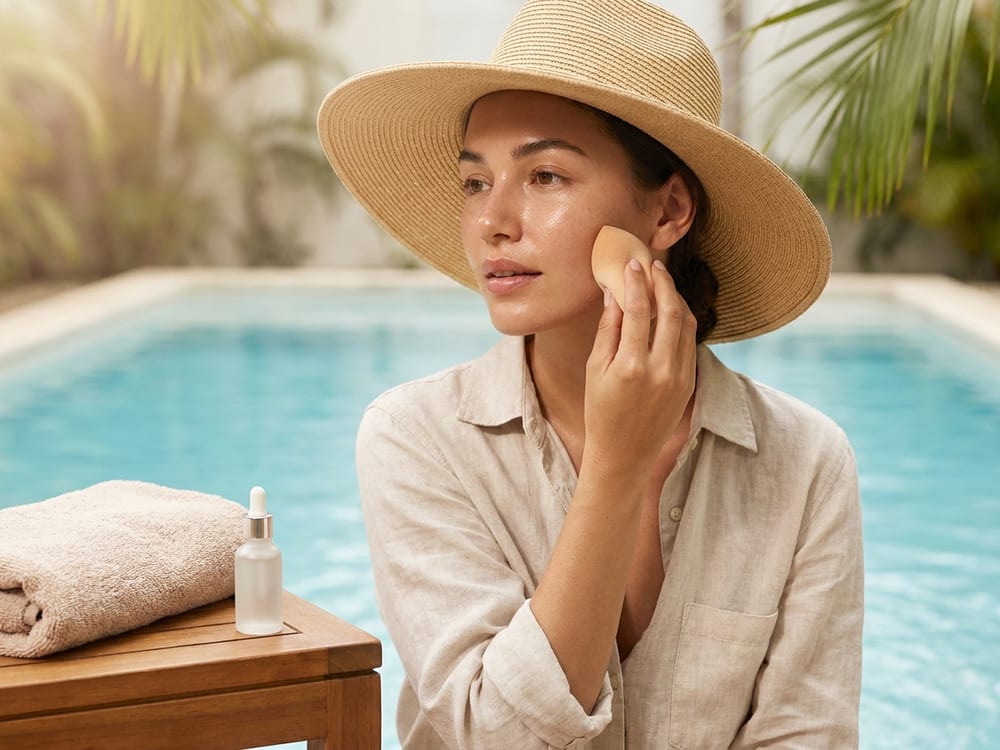
Long-wear foundation graded the only way that matters here: hour eight, ninety percent humidity, poolside. One benchmark, one newer formula with a shade range that includes everyone.
Why these brands earned the shelf: the reasoning, on the record →
At-home LED devices deliver red (~630–660 nm) and near-infrared (~830 nm) light that photobiomodulation research links to modest gains in collagen, tone, and calmer inflammation. The evidence is promising but still emerging, and results depend on consistency: a few sessions a week, protected eyes, over months. It complements a good routine. It does not replace sunscreen or retinoids.
Product links are Amazon affiliate links: if you buy through them, Awake Inside Wellness may earn a small commission at no extra cost to you. Prices are rough reference points, not live quotes. Picks are editorial, not paid placements.