Body Razor & Hydrating Shave Gel
A razor cuts each hair shaft off at or just above the surface by drawing a fine edge across your skin, and how gentle that feels comes down to two things: how sharp the blade is, and how much slip there is between blade and skin. Warm water goes first because it softens the hair and swells the follicle, so the whole thing cuts with less force. A cushioning shave gel lays down a slick layer that lets a sharp multi-blade head glide through in one light pass instead of dragging and demanding repeat strokes. That cushion is the line of defense against razor burn and nicks, because most irritation traces back to a dull or clogged blade tugging at your skin, or to pressing hard and re-passing the same patch over and over. Cut the hair cleanly instead of at a ragged angle and you also lower the odds of it curling back in as an ingrown. Exfoliate gently beforehand and you clear out the dead surface cells and loose hairs that would otherwise trap a tip below the surface.
Why it works
The fundamentals are well established in dermatologic guidance on shaving, and they are not complicated. Soften the hair with warm water. Use a real lubricating layer instead of plain soap. Shave with light pressure and a sharp blade. Exfoliate gently to cut down on ingrowns. The direction of benefit here is strong and it is consistent. Here is the limit, stated straight: technique and a fresh blade matter far more than which gel is in the tube, and no razor on the market fully prevents ingrowns in very coarse or curly hair. For that hair type, spacing out shaves, trimming, or switching to a longer-lasting method sometimes serves your skin better than any razor upgrade will.
How to use it
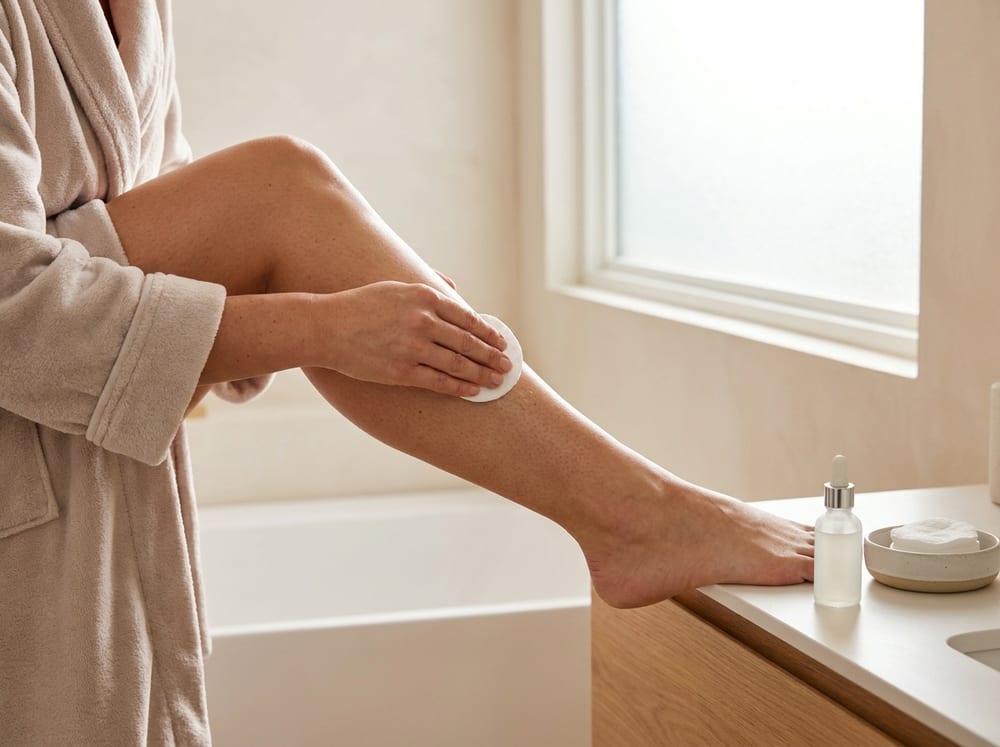
- Exfoliate gently, then let warm water soften the skin and hair for a minute or two.
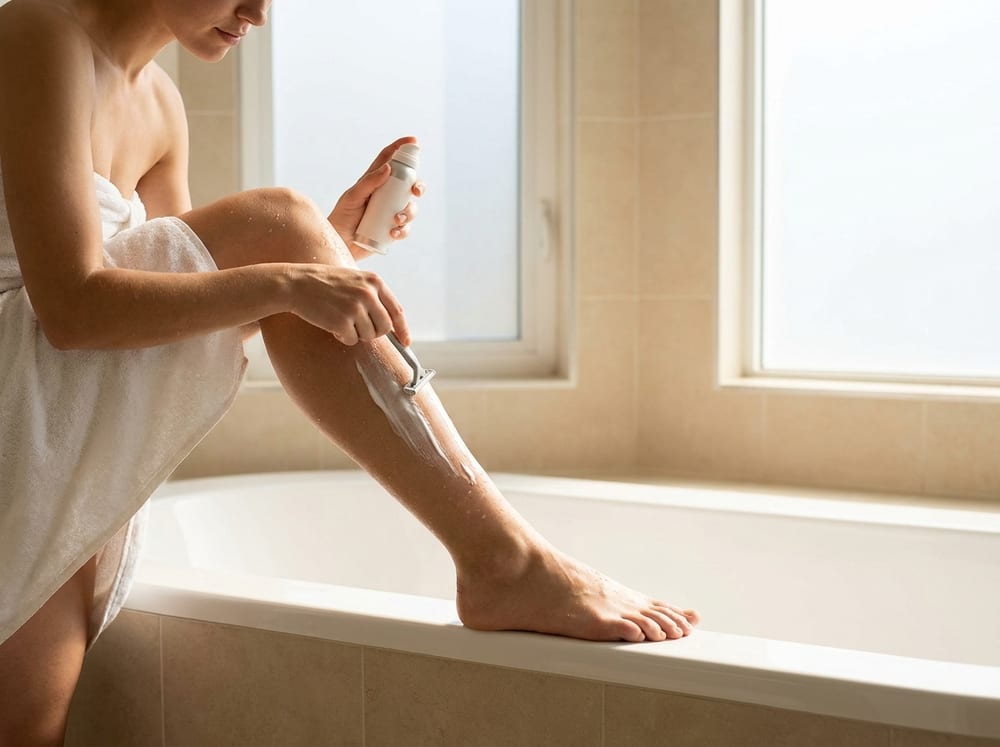
- Spread an even, cushioning layer of hydrating shave gel over the area. Never plain soap. Never bare skin.
- Glide a fresh, sharp razor in short strokes with light pressure, following hair growth on the bikini line and underarms.
- Rinse the blade clear every few strokes, and reapply gel to any spot that dries out.
- Rinse with cool water, pat dry, and finish with a fragrance-free moisturizer.
- Replace the blade before it dulls or drags. Go slowly and gently along the bikini line. That skin deserves it.
In the morning, ideally in or just after a warm shower once the skin and hair have softened, gently exfoliate the area first, then spread an even, cushioning layer of hydrating shave gel over legs, underarms, or the bikini line. Glide a clean, sharp multi-blade razor in short strokes using almost no pressure, letting the weight of the head do the cutting and following the direction of hair growth on delicate areas like the bikini line and underarms. Rinse the blade clear after every few strokes so it does not clog, reapply gel to any spot that dries out rather than dragging over bare skin, then rinse with cool water and follow with a fragrance-free moisturizer.
⚠ Never dry-shave: skipping the warm water and gel is the fastest route to razor burn, nicks, and ingrowns. A dull or dirty blade is the main driver of irritation, so replace cartridges before they start to tug and never share a razor. Use light pressure, avoid re-passing the same patch, and go especially gently on the bikini line, where skin is thin and hair is often coarse. Skip broken, sunburned, or actively irritated skin. This is educational information for discussion with a clinician, not medical advice; see a professional for persistent bumps, infection, or ingrown hairs that do not clear.