Niacinamide Serum
Niacinamide is vitamin B3, and it's busy the moment it's on your skin: helping build ceramides and barrier lipids, keeping sebum in check, and calming down inflammatory signaling before it turns into a flare. It also blocks pigment from transferring up to your surface cells, which is the reason pores start looking smaller and tone starts looking even over time. Not magic. Just B3 doing its job.
Why it works
There's a solid body of clinical work behind niacinamide: barrier support, oil balance, redness, a modest bump in how pores and pigmentation look. Is any of it dramatic? No. Is it real? Yes. This is a slow, cumulative ingredient, not a one-application miracle, and it happens to be one of the best tolerated actives out there, sensitive skin included.
How to use it
- Apply after cleansing and any water-based treatments, before moisturizer. Order matters.
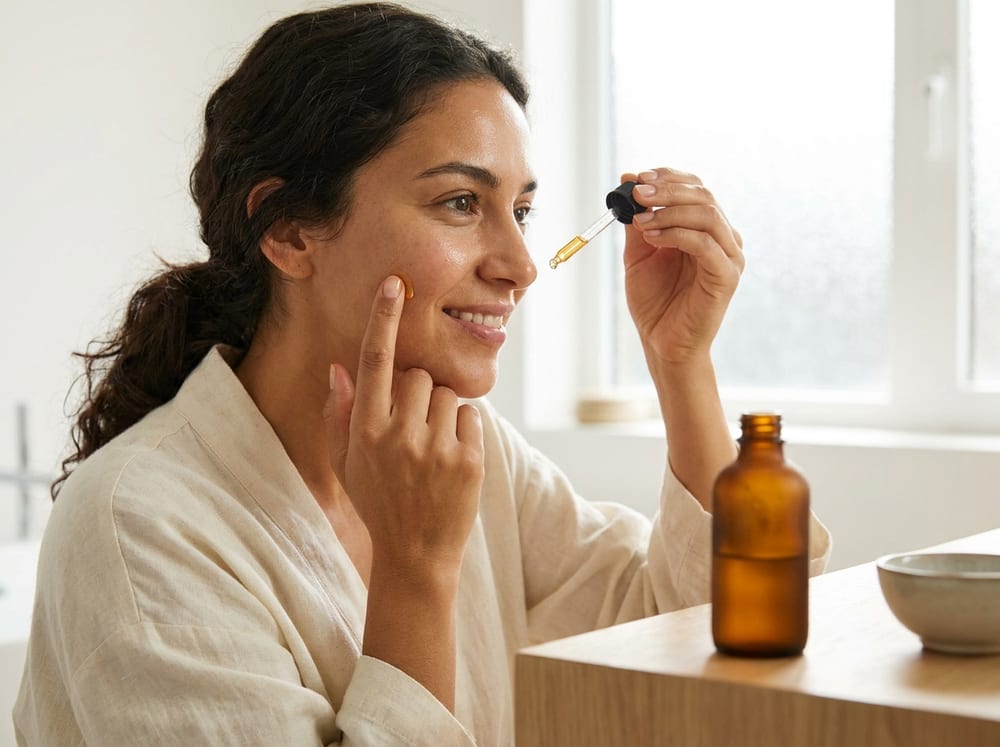
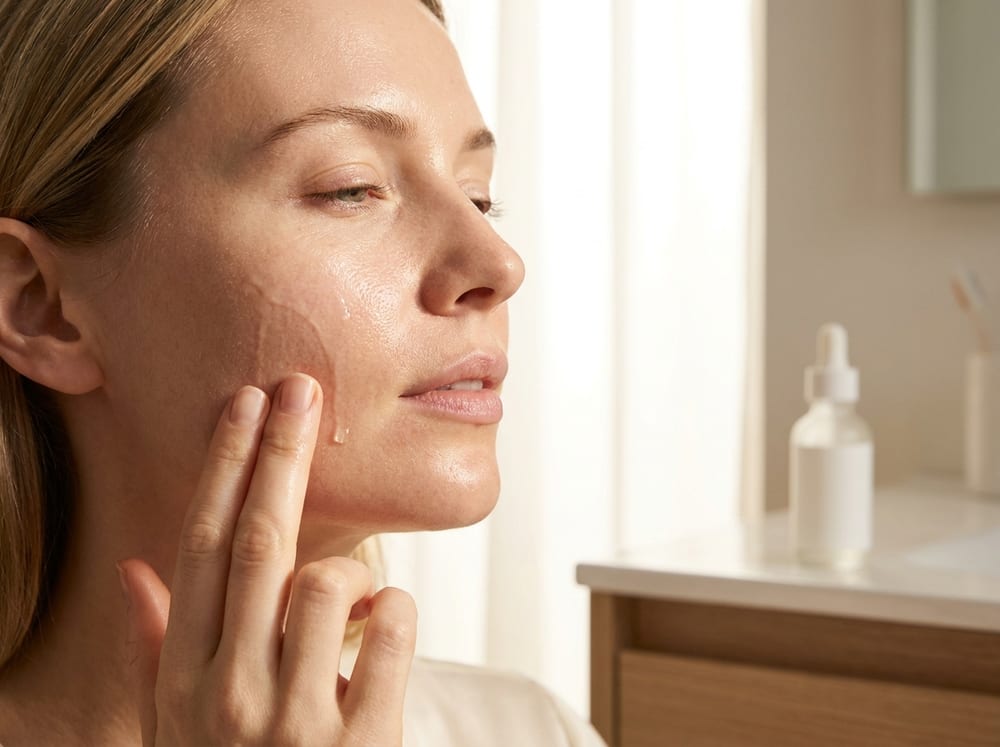
- Press a few drops over your face, morning, night, or both.
- Layer it right alongside vitamin C, sunscreen, and most other actives. It plays well with others.
- Start around five percent. That's the concentration that skips the flushing.
- Add one new product at a time, so you know what your skin is reacting to.
After cleansing and any water-based treatments, apply a few drops to the face before moisturizer. It layers comfortably in the morning and at night and pairs well alongside most other actives, including vitamin C and sunscreen.
For men: This is the low-maintenance active for oil-prone skin, full stop: it regulates sebum, calms shave redness, and gets along with literally everything else in your routine. One easy addition, zero drama.
⚠ Very high concentrations can occasionally cause flushing or irritation, so a moderate strength around five percent is a sensible starting point. If you use several actives, introduce one new product at a time so you can tell what your skin responds to. This is educational information for discussion with a clinician, not medical advice.