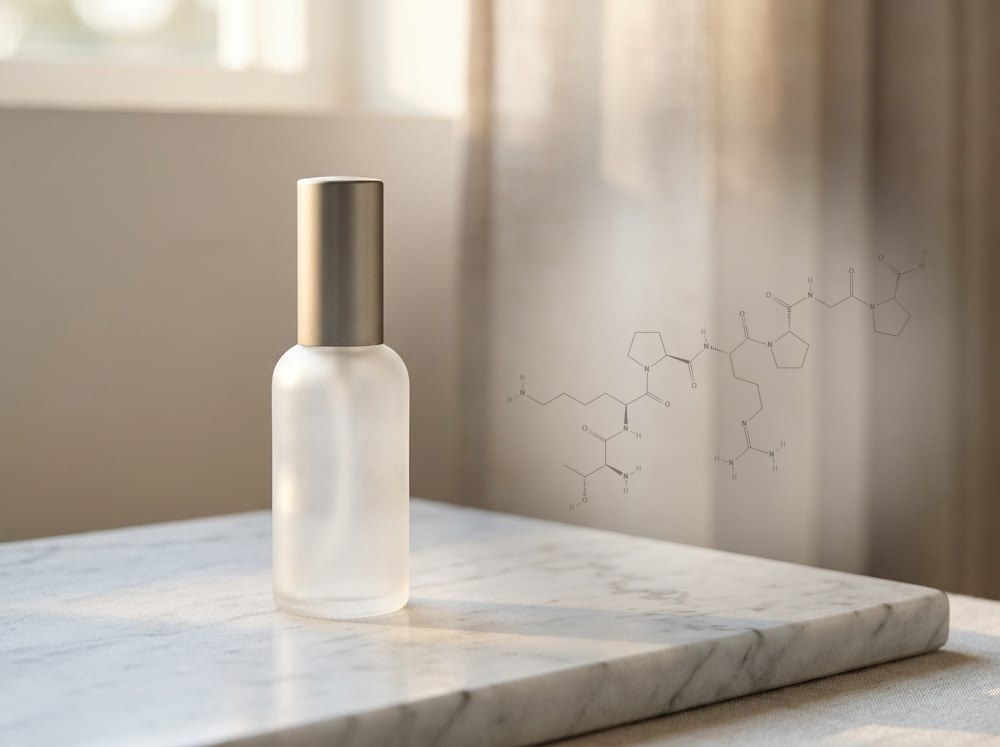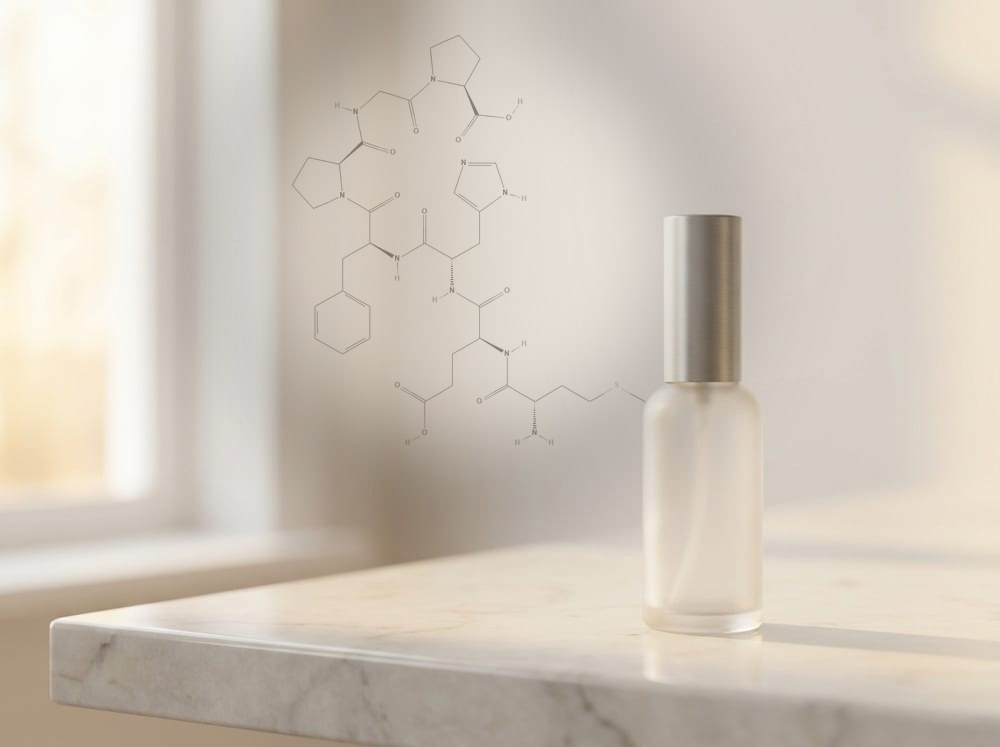
Mechanism
A synthetic analog of ACTH(4-10), and it does more than that short name suggests: BDNF up, NGF up, dopamine and serotonin systems both getting modulated, and a neuroprotective effect that works through calming inflammation. That's a lot of jobs for one small peptide.
Key Benefit
Approved in Russia for stroke recovery, cognitive impairment, and peptic ulcer. Improves attention, memory, and learning under stress.
Evidence Base
Approved in Russia, for more than one indication. Most of the clinical data comes out of Russian institutions. Peer-reviewed replication in the West is still thin.
Route & Rationale
Intranasal. Nasal delivery provides direct CNS access. Avoids GI degradation and hepatic first-pass metabolism.
Interactions
May potentiate stimulants (dopaminergic mechanism). Monitor in patients on thyroid medication (ACTH-related).
Regulatory Status
Not FDA-approved. Approved in Russia. It dropped off the FDA's Category 2 list in April 2026, and a PCAC review is next, set for July 2026.
For information and research purposes only. This is not medical advice and not a recommendation to use this substance. Discuss anything here with your healthcare provider.