Glycine
Glycine is a non-essential amino acid, and don't let 'non-essential' fool you into thinking it's not doing anything. It's an inhibitory neurotransmitter in its own right and a co-agonist at NMDA receptors. Taken before bed, it's thought to widen your peripheral blood vessels enough to drop your core body temperature, which is your body's own cue that it's time to sleep. It may also work on central pathways that favor deep non-REM sleep and cut next-day fatigue.
Evidence
Moderate, and mostly built on small randomized, placebo-controlled crossover trials in people with real sleep complaints, not just healthy sleepers doing a favor for a lab. Those trials report better subjective sleep quality, a faster path to falling asleep, less daytime sleepiness, and sharper thinking the next day. That's backed by polysomnography and temperature data, not just people's word for it. The trials are small and short. Promising, yes. At melatonin's level of proof? Not yet.
Interactions
Few well-documented drug interactions at sleep doses. Theoretical additive effect with sedatives and CNS depressants. Clozapine's effect may be reduced by glycine (clinical trials in schizophrenia used high doses). No established interaction with anticoagulants; use general caution when combined with other sleep or psychiatric medications.
Cautions
Well tolerated at 3 g, with occasional mild GI upset. Data in pregnancy, breastfeeding, and in significant kidney or liver disease are limited, so those individuals should consult a clinician. Not intended to diagnose or treat any condition.
Food sources
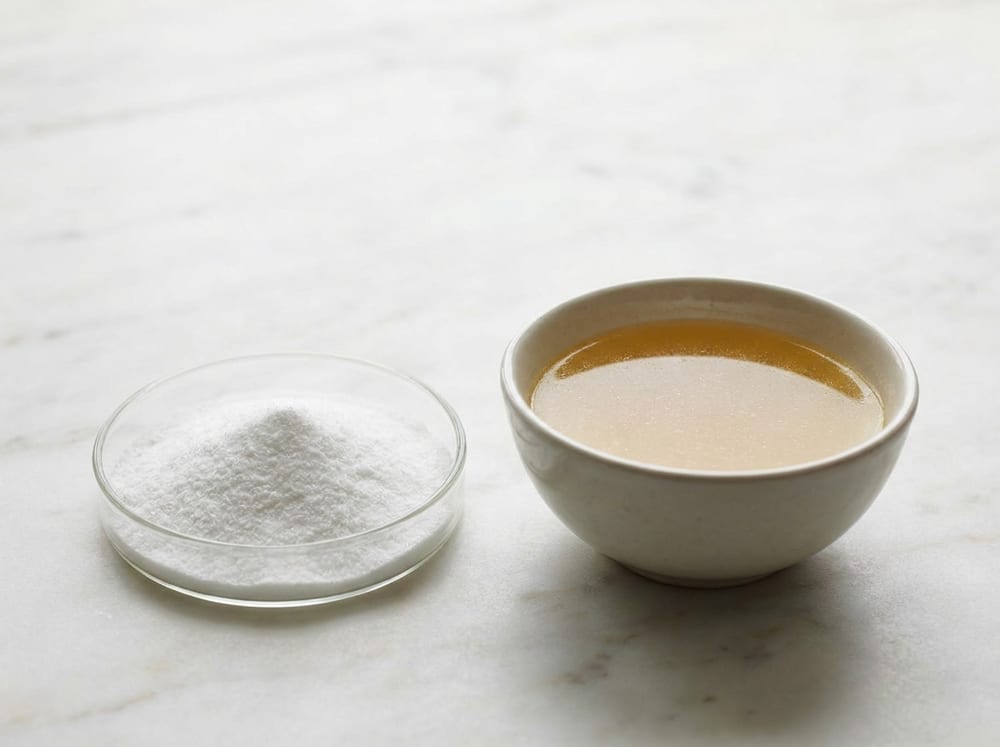
Abundant in collagen-rich and protein foods: bone broth, gelatin, skin-on poultry, meat, and fish; also present in legumes and dairy.