Diaphragmatic Pelvic-Floor Coordination Drill
A focused breath-and-lift practice that gets your diaphragm and pelvic floor working in sync again, training fast, strong contractions and full relaxation both, so the muscles respond on command instead of sitting chronically clenched or chronically weak.
Why it works
Your diaphragm and pelvic floor are the top and bottom of the same pressurized canister, and they are built to move together: the pelvic floor drops on the inhale, lifts on the exhale. Chronic stress and habitual clenching break that rhythm, and the pelvic floor ends up either weak or stuck in a permanent over-grip, either of which quietly wrecks sexual function. In men, a pelvic floor that is both strong and supple is what rigid erections and real ejaculatory control are built on. In women, it is what drives orgasmic contraction strength and cuts down on pain. Two different qualities get trained here, on purpose. A fast, maximal quick flick recruits the same fast-twitch fibers your body calls on at climax. A slow endurance lift, followed by a deliberate, total release, rebuilds the relaxation half of the cycle almost everybody has lost. Anchor every single rep to your breath, because that is what keeps the pelvic floor doing the work instead of your glutes quietly stealing the rep, or you holding your breath and faking it. Groove this pattern and you calm the nervous system too. Slow diaphragmatic breathing is a direct parasympathetic on-ramp, and arousal runs through the same door.
How to do it
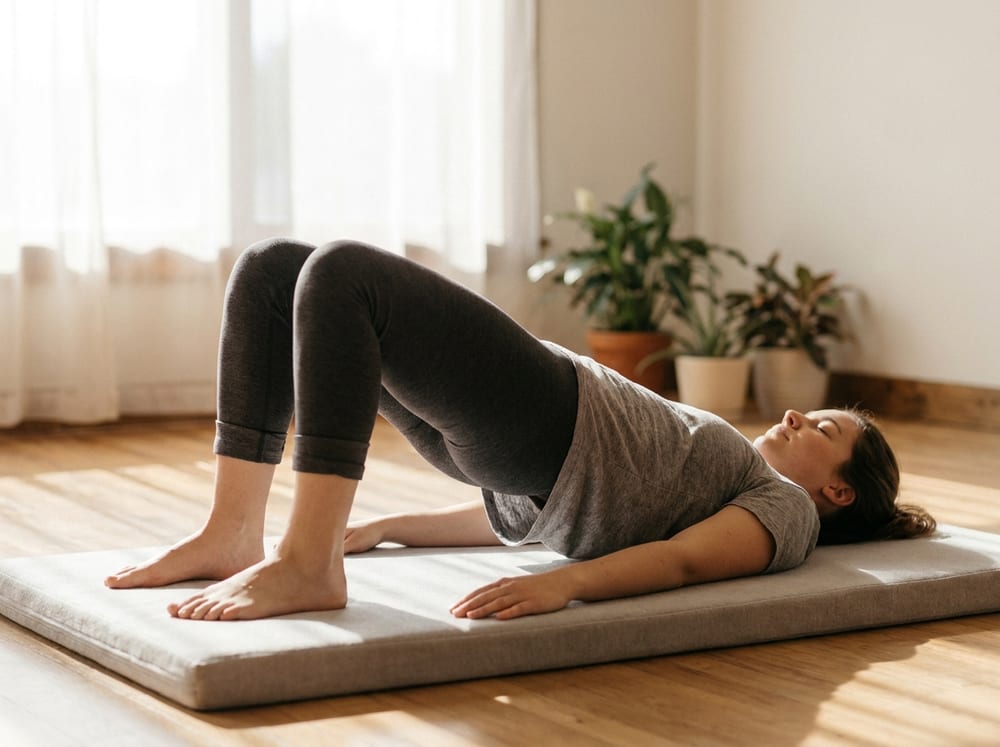
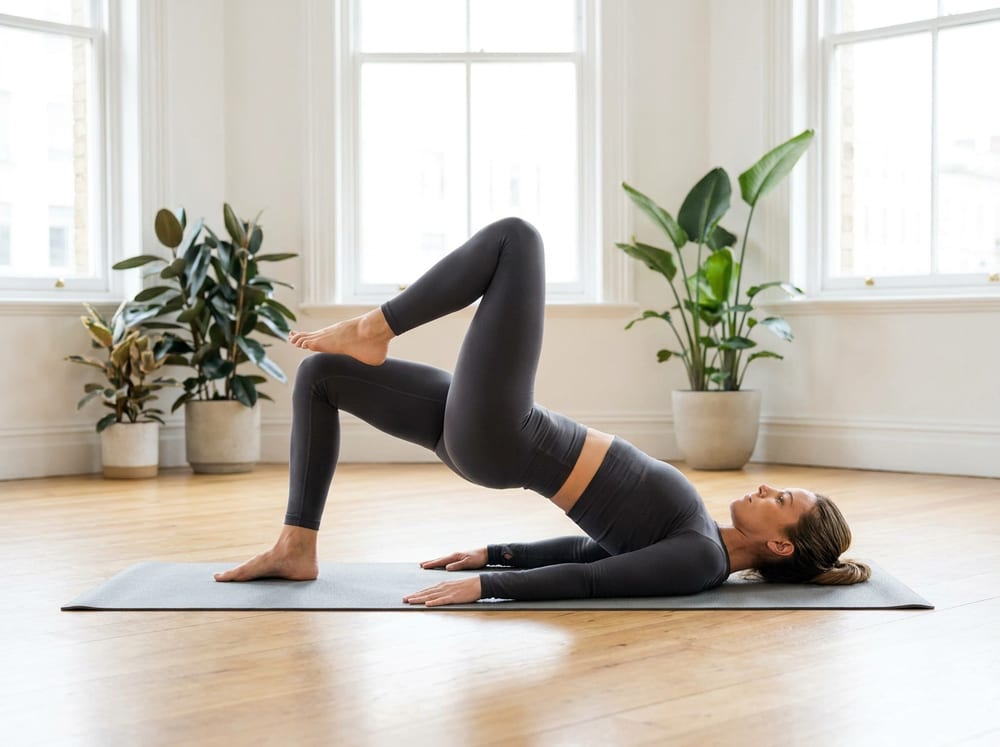
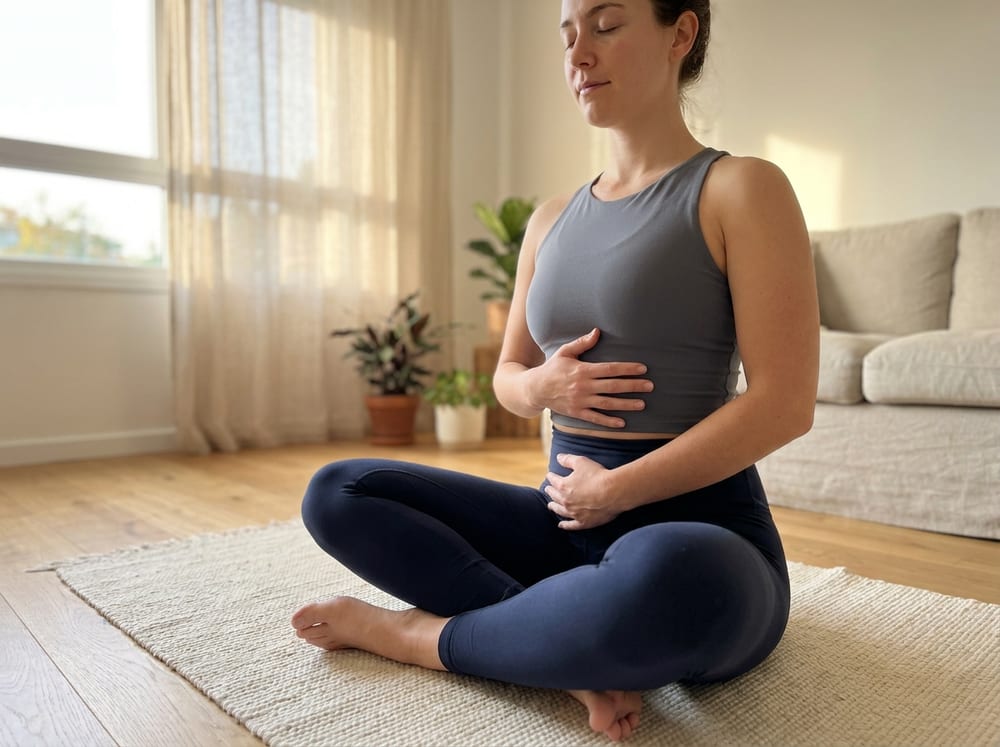
- Sit tall or lie on your back with knees bent, one hand on the lower ribs and one low on the belly, spine neutral.
- Inhale slowly through the nose, feeling the lower ribs widen and the belly and pelvic floor gently expand and drop downward.
- On a slow exhale, gently lift and draw the pelvic floor up and in (as if stopping the flow of urine and lifting a marble), hold for a slow count of five, then fully let go for a full breath.
- After several slow lifts, do a set of 'quick flicks': a fast, firm pelvic-floor squeeze and an immediate, complete release, one per second.
- Between every contraction, confirm a total release so you feel the muscles go slack; the relaxation is a trained skill, not an afterthought.
- Keep the glutes, thighs, and jaw relaxed and never hold your breath or push down; if you feel bearing-down pressure, stop and reset.
Dose: 10 slow 5-second lifts with full release, then 10 quick flicks. 2-3 rounds daily. The full release is not optional, it's half the exercise.
⚠ If you have pelvic pain, urgency, or a history of an overactive pelvic floor, emphasize the release phase and reduce the strong contractions, or work with a pelvic-floor physical therapist. Bearing down (pushing out instead of lifting) is counterproductive and should be avoided; clear pelvic-floor training during and after pregnancy with your provider.