Ninety-Minute Easy Walk After a Vaccination
Ninety minutes of easy, talk-through-it walking on the day you get a flu or COVID shot. That exact number is not a nice round guess, it is the duration one small trial tested against just sitting there.
Why it works
Here is the receipt. A trial out of Iowa State University, published in Brain, Behavior, and Immunity in 2022, took around seventy adults and had them either sit quietly or walk and cycle at a light-to-moderate pace for a full ninety minutes right after an influenza or COVID-19 vaccination. Four weeks later, the group that moved was carrying higher antibody levels against the vaccine, with no more arm soreness or side effects than the group that just sat there. A forty-five minute version in that same study did not produce the same bump, which is exactly why ninety minutes is the number here instead of a tidier sixty. The mechanism the authors point to, backed by mouse work run alongside the human trial, is interferon alpha released during sustained moderate exercise, shaping how your antibody-producing cells respond. Keep this in perspective: the trial measured antibody levels in blood, not who got sick, in a few dozen people at a single site, so how much this matters in the real world is still an open question. And the part everyone gets wrong is intensity. This is a pace where you can still hold a conversation, roughly sixty to seventy percent of your max heart rate. Going hard on vaccination day has zero evidence behind it, so don't.
How to do it
- Plan the walk before the appointment, on a day you can give it ninety uninterrupted minutes. Nothing about this works retrospectively.
- Set off within a couple of hours of the injection. The trial had people start immediately, and earlier is closer to what was tested.
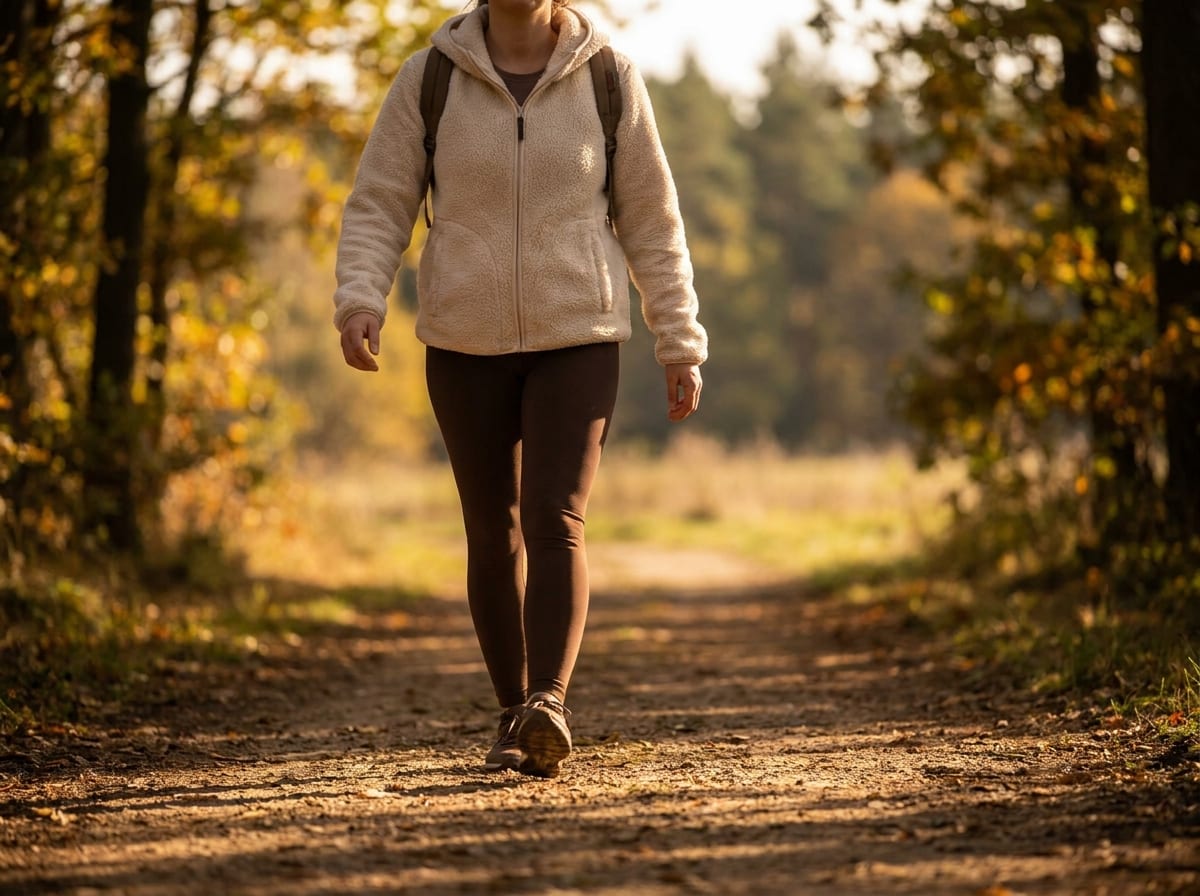
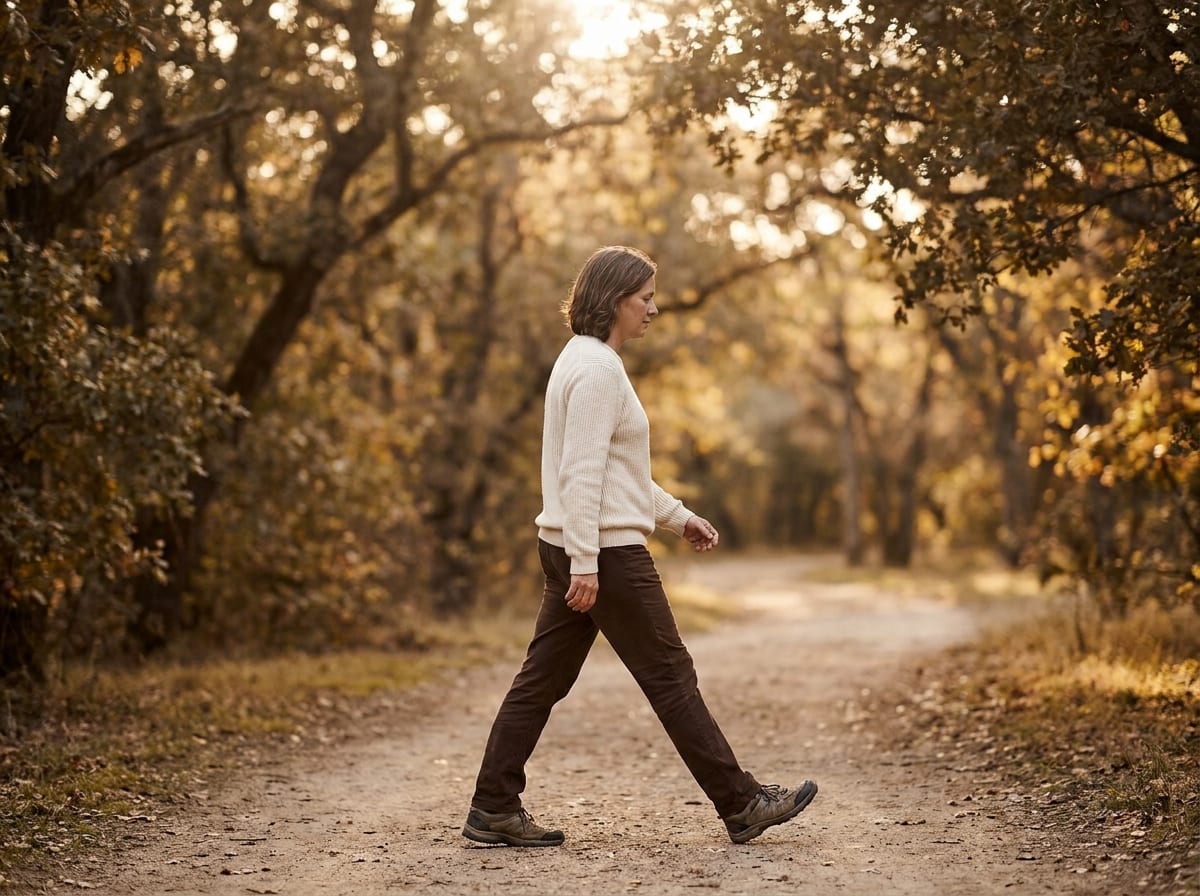
- Walk at a pace where you could speak in full sentences but would not want to sing. Brisk and steady, not breathless.
- Keep going for the full ninety minutes. Splitting it into two shorter walks has not been tested, and the shorter session in the trial did not produce the effect.
- Let the vaccinated arm swing normally rather than holding it still. Soreness was no worse in the walking group.
- Finish easy, drink some water, and treat the rest of the day as an ordinary one.
Dose: One 90-minute session, on the day of the vaccination itself. Not the day before, not the day after.
⚠ This is educational content for discussion with a clinician, not medical advice or a prescription. Ninety minutes of walking is a long session if you are not used to one; walk the distance you comfortably can and accept that the tested effect was tied to the full duration. Skip it if you already feel feverish or unwell, and stop for dizziness, chest pain, or an arm that is painful to move. Whether to have the vaccination is a separate question for you and your clinician, and this changes nothing about it.