Training Through a Head Cold
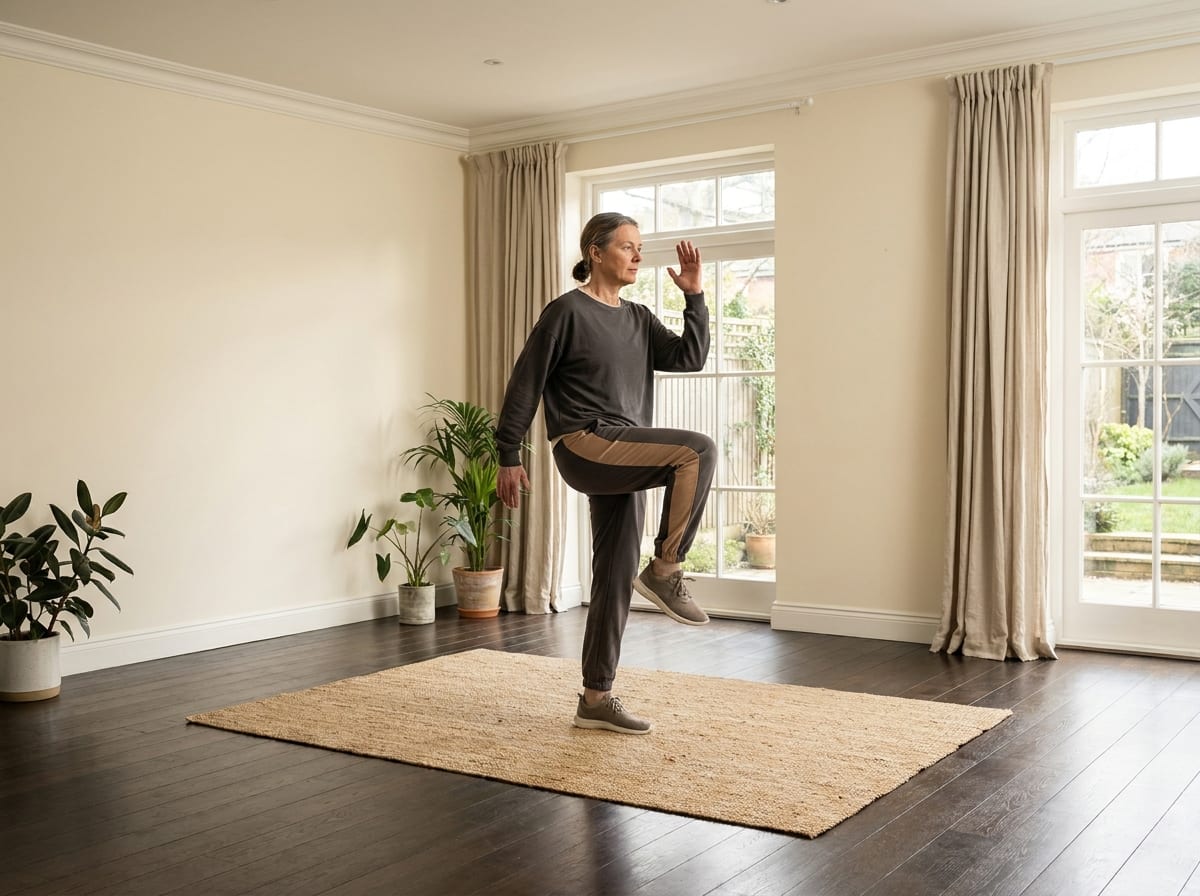
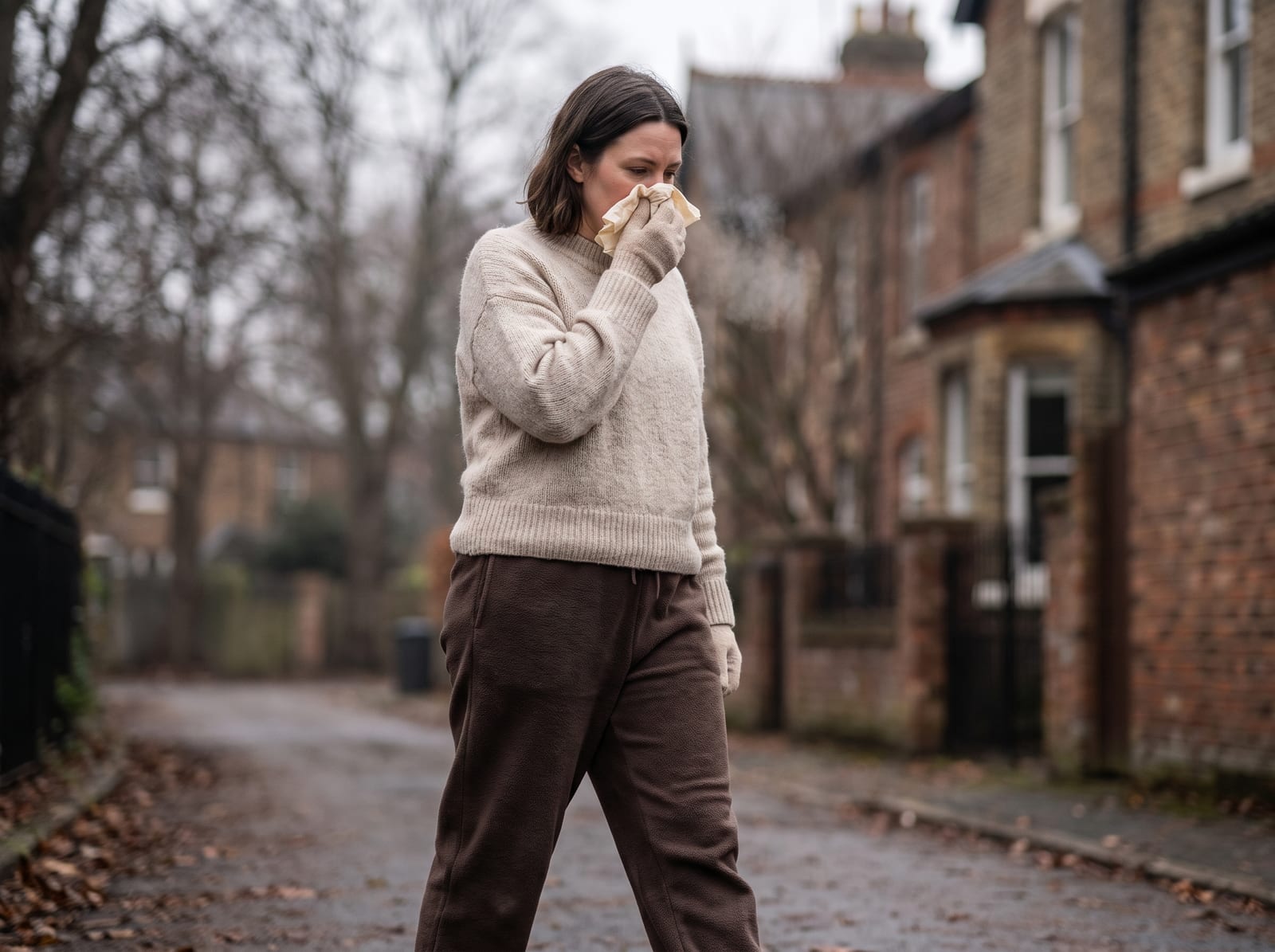
A stuffy nose does not have to cancel your week. In the one randomized trial that tested it, moderate exercise during a cold neither shortened the illness nor made it any worse.
Why it works
One trial. Fifty people. Nineteen ninety-eight. That is the direct evidence base for this question, and you should know that before you know anything else. Thomas Weidner and colleagues at Ball State University published it in Medicine and Science in Sports and Exercise: fifty young adults were inoculated in the nose with rhinovirus, the ordinary common cold virus, then randomly assigned either to keep training or to sit the illness out. The exercising group ran or cycled at roughly seventy percent of heart rate reserve, forty minutes at a time, every other day for ten days, while sick. Day by day, symptom severity came out the same in both groups. So did the length of the illness. Read that result carefully, because it is the whole point. Moving did not cure the cold, and moving did not make the cold worse. What this entry hands you is permission, not a remedy. The neck check is the rule of thumb most clinicians will give you, popularized by sports physician Randy Eichner rather than established by a trial: symptoms above the neck, meaning a blocked nose, sneezing, a scratchy throat, and you can move. Symptoms below it, meaning fever, aching muscles, a chest cough, a stomach that has turned on you, and you rest. Nobody has run that heuristic as a randomized comparison, so what stands behind it is physiology and decades of clinic-floor experience rather than data. The physiology is the serious part. A systemic viral illness can inflame the heart muscle itself, and myocarditis is a recognized cause of sudden cardiac death in young athletes. That is why the line gets drawn at the neck, and why it is not a soft line. Here is what nobody knows. Weidner ran fifty healthy college-aged people, one virus, one lab, and symptom scores the participants reported on themselves. It tells you nothing about influenza, nothing about COVID, and nothing about anyone managing a chronic condition, because it was never built to. Let it cover a head cold. Stop it there.
How to do it
- Run the neck check before you change out of your clothes. Above the neck only, go. Fever, body aches, a chest cough, or a turned stomach, and today is a rest day. No negotiating with yourself on this one.
- Take your temperature if you are not sure. Guessing is how people talk themselves into a session they should not do.
- Start easy for five minutes and pay attention to what your breathing does. A blocked nose makes any pace feel harder, so judge the effort by how you feel rather than by the number you hit last week.
- Hold a moderate, conversational pace for about forty minutes, which is the dose the trial used. Walking counts. So does a slow cycle.
- Cut the session short the moment anything shows up below the neck. Chills, a cough that reaches your chest, a heart rate that will not settle: those end it, right there.
- Finish easy, get warm, and drink something. Then leave the rest of the day alone.
Dose: One 40-minute moderate session, every other day, for as long as the cold lasts and the neck check keeps clearing you. Skip it entirely on the days it does not.
⚠ This is educational content for discussion with a clinician, not medical advice or a prescription. Do not exercise with a fever, body aches, a chest cough, shortness of breath, chest pain, vomiting, or diarrhea. Systemic viral illness can inflame the heart muscle, and exercising with myocarditis has caused sudden cardiac death in otherwise healthy young athletes. Stop immediately and seek medical care for chest pain, palpitations, unusual breathlessness, or fainting. If you are pregnant, immunosuppressed, or managing a heart, lung, or chronic condition, ask your clinician what applies to you before training through any illness. The trial behind this entry tested a common cold and nothing else.