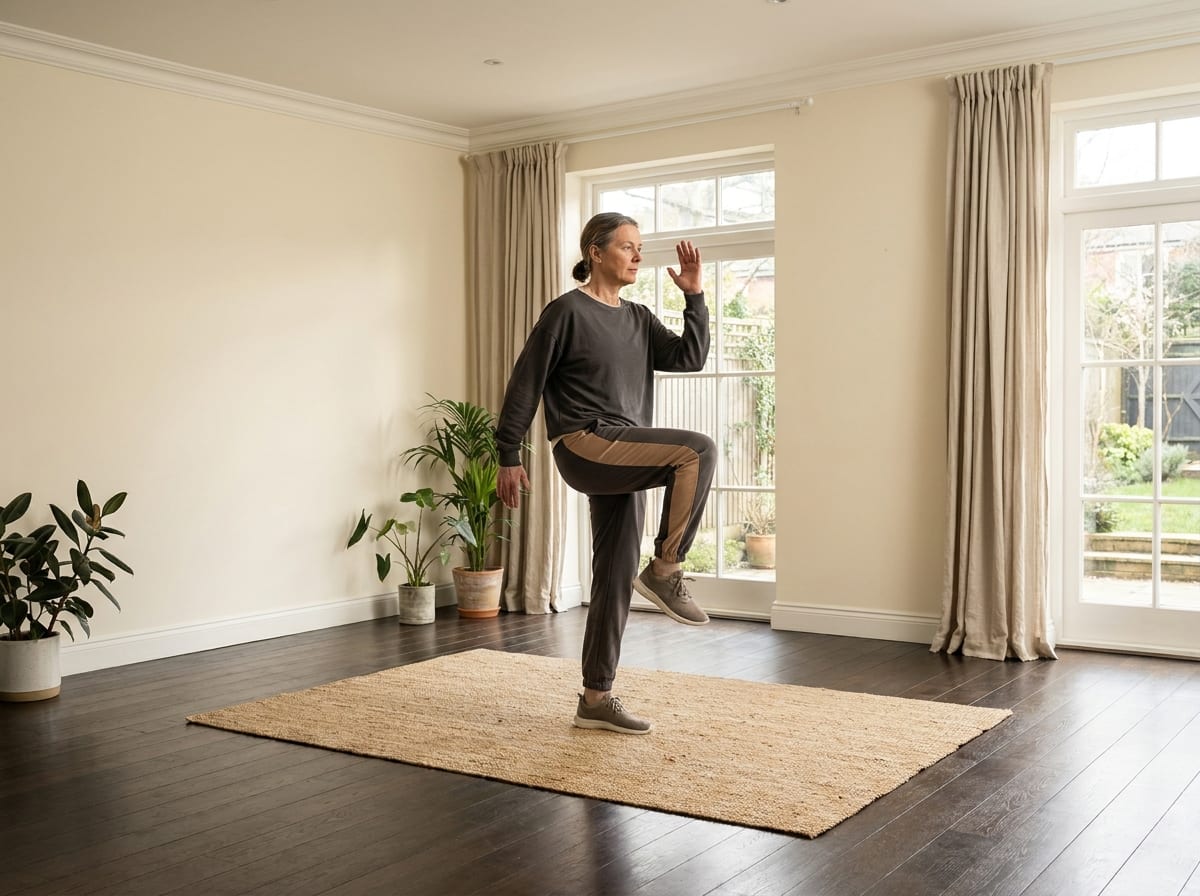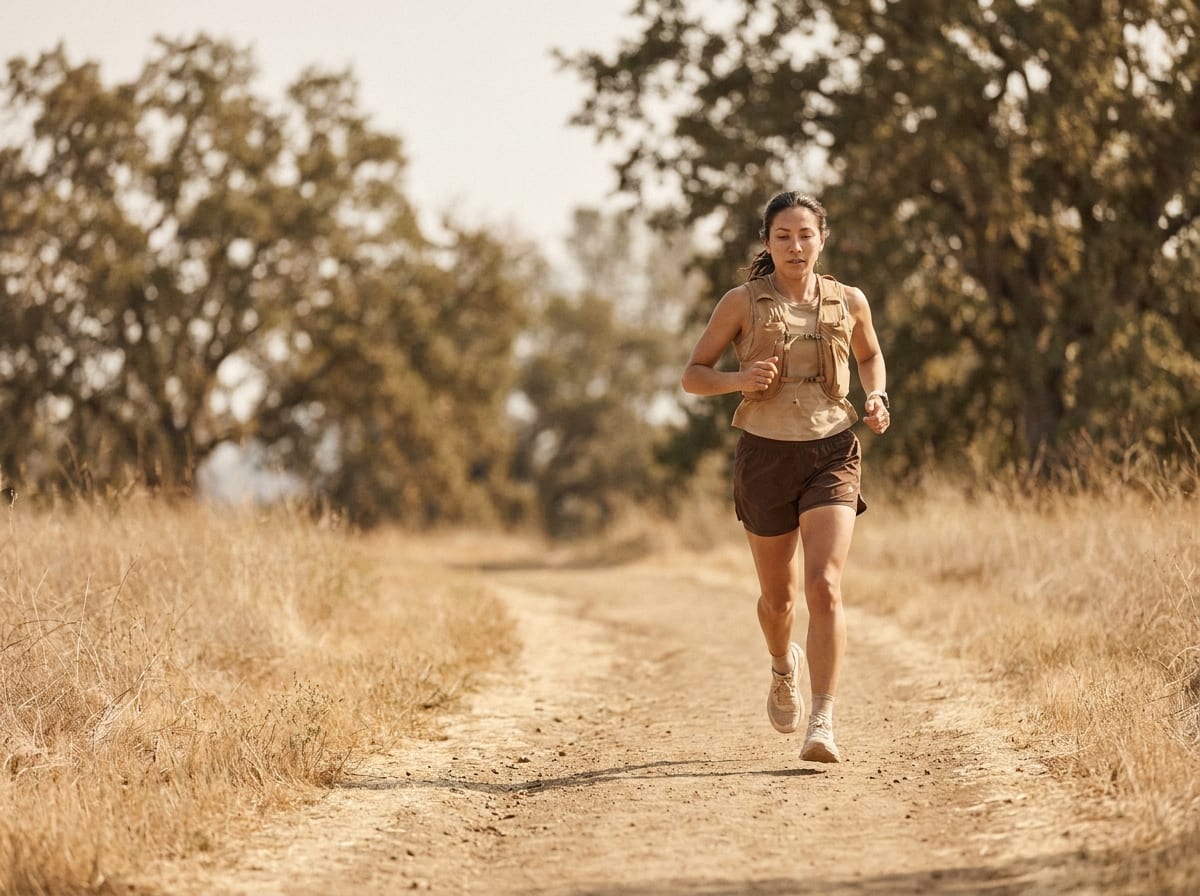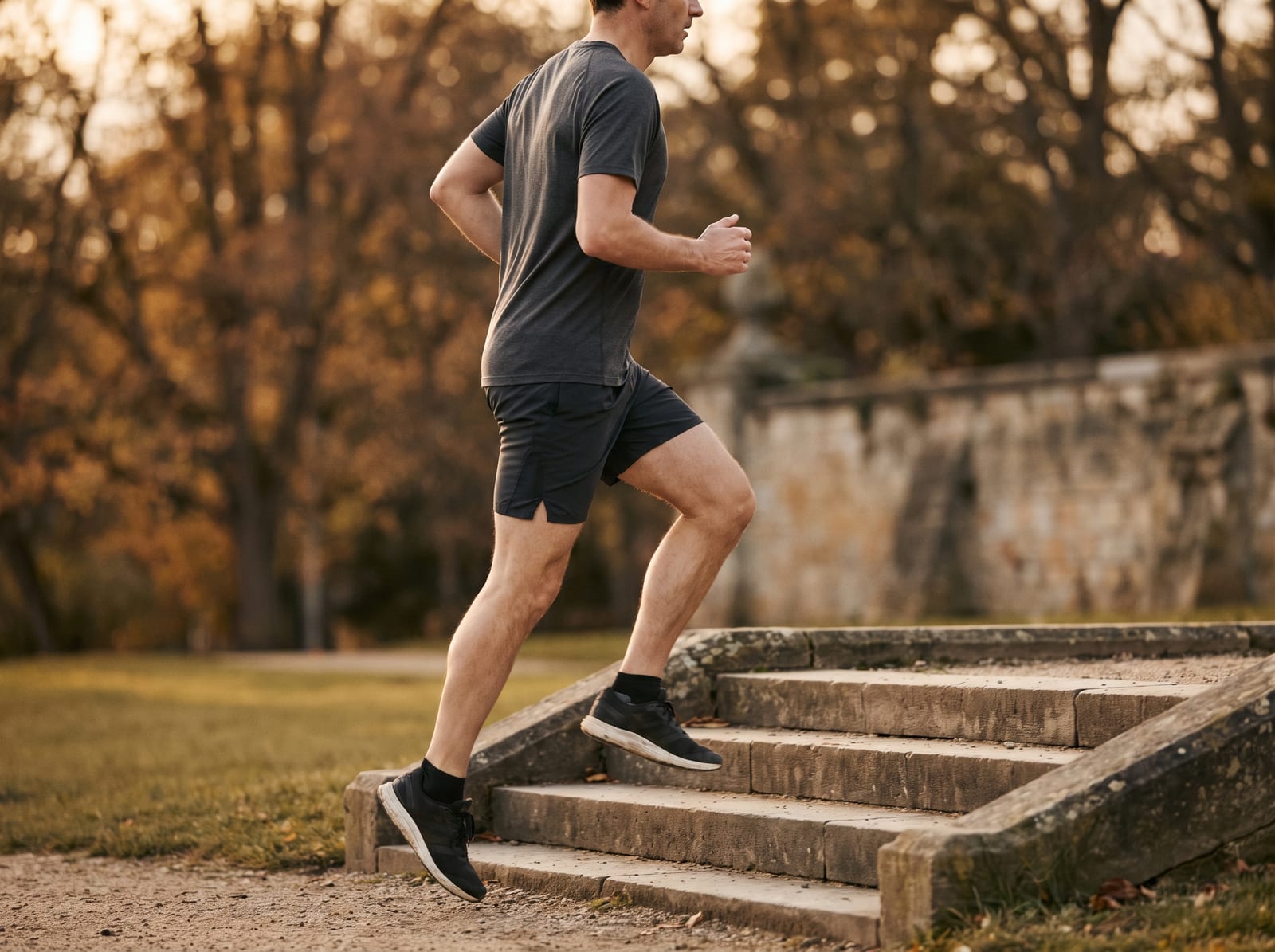
Short Intervals Before a Meal
Eight short, genuinely hard efforts with easy recovery between them, done in the hour before the meal you tend to eat past full.
Why it works
Hard exercise blunts appetite for a while afterwards, and that shows up in blood rather than only in what people report feeling. Broom and colleagues had nine healthy young men run for an hour in 2007 and measured suppressed acylated ghrelin, the hormone that drives hunger, through the run and the period straight after it. A follow-up in 2009 with eleven men found that running also raised peptide YY, which pushes the other way, while ninety minutes of resistance work suppressed ghrelin without the same PYY response. Intensity looks like it matters more than time spent: Sim and colleagues in 2014 took seventeen overweight, inactive men through four separate days of rest, moderate steady work, and two interval sessions of climbing intensity, and it was the hardest intervals that cut how much the men ate at the meal afterwards. Most of the picture is still missing. These are small single-day crossover trials, run almost entirely in men, measuring an effect that fades over hours rather than weeks, and the sessions in them were longer or built differently than this one, so reading eight thirty-second efforts as the tested session overstates what was measured. No one has shown that putting intervals before dinner changes body weight over months, and the spread between people is wide enough that some eat more after hard work, not less. The training effect is the part you can count on: eight hard efforts twice a week builds aerobic fitness whether or not your appetite cooperates.
How to do it
- Warm up for five to eight minutes, building from easy to brisk, until you are breathing harder and feel loose.
- Go hard for thirty seconds. Hard means you could not hold a conversation and you are counting down the last ten seconds.
- Drop to an easy pace for ninety seconds. Keep moving rather than stopping dead.
- Repeat until you have done eight hard efforts. Pace the first two so the last two are still fast; the session is ruined if you empty the tank in round one.
- Cool down for five minutes easy, then leave twenty to thirty minutes before you sit down to eat.
Dose: 8 efforts of 30 seconds, 2 times a week, on non-consecutive days. Start at four efforts if eight is more than you have.
⚠ This is educational content for discussion with a clinician, not medical advice or a prescription. Short intervals push heart rate up sharply, so clear them with a clinician first if you have a cardiovascular condition, high blood pressure, or have not trained hard in years, and stop for chest pain, palpitations, or dizziness. Skip this one entirely if you have a history of disordered eating or find yourself using exercise to earn or avoid food. A session built around eating less afterwards is the wrong tool in that situation and an easy one to misuse.