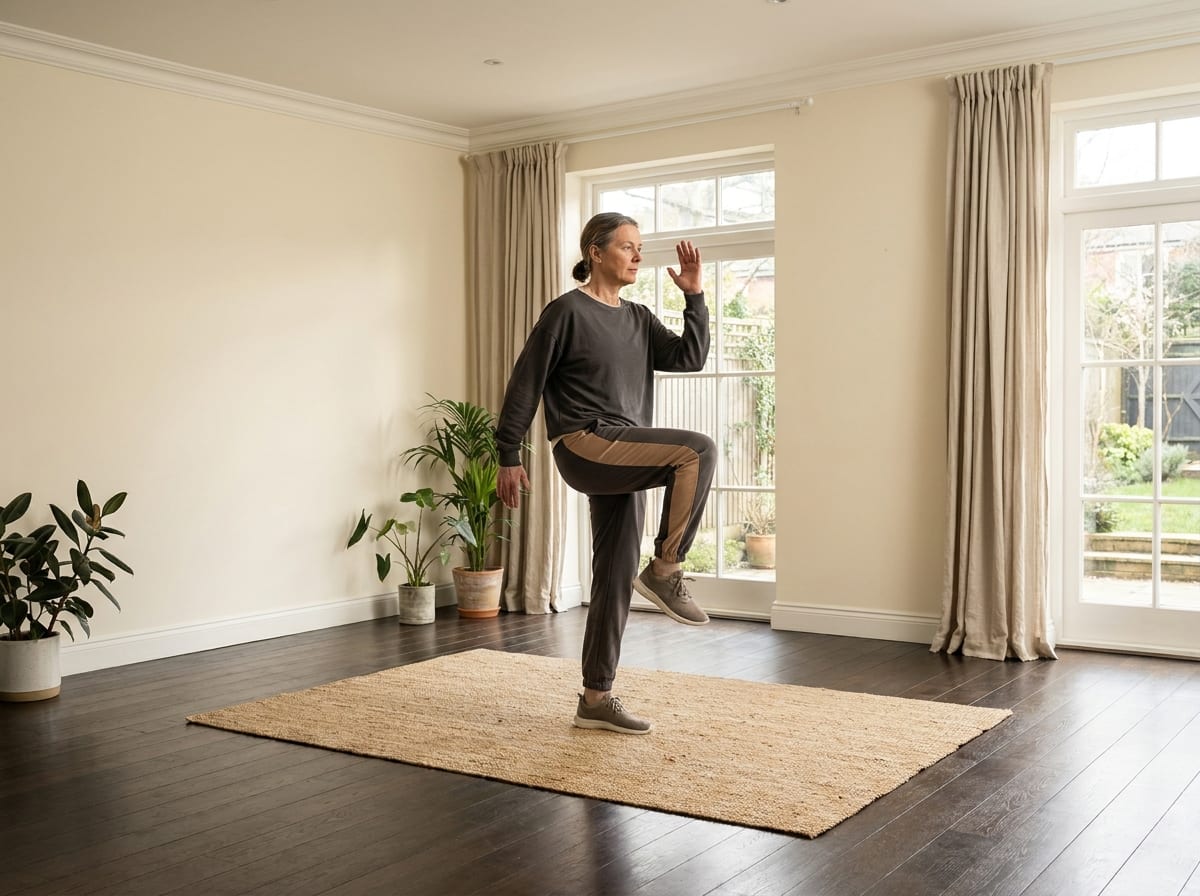
Zone Two Brisk Walk
A sustained walk held right at the pace where full sentences are comfortable but singing is not, for thirty to sixty minutes.
Why it works
This is the least glamorous entry in this whole library, and it's probably the most valuable one in it. Cardiorespiratory fitness, usually measured as VO2 max, predicts all-cause mortality more strongly than smoking status, blood pressure, or cholesterol in large cohort studies, full stop. The biggest jump in risk sits between the bottom fifth of fitness and the group just above it, which means the people with the most to gain here are the ones currently doing nothing at all, and closing that gap takes ordinary walking, not some heroic training block. The talk test is a genuinely accurate way to find the right intensity without strapping on a heart rate monitor: full sentences, comfortable, singing, not happening. Hold that pace and you're training the aerobic base everything else in your training gets built on, at an intensity you can genuinely repeat again tomorrow, and the day after that.
How to do it
- Walk for three to five minutes at an easy, conversational pace to let your heart rate come up gradually.
- Lift the pace until talking is comfortable but singing is not. That is the intensity you are looking for, and it is slower than most people expect.
- Hold it. Keep your posture tall, let your arms swing from the shoulder, and land midfoot rather than reaching out with your heel.
- If a hill lifts you out of that zone, shorten your stride rather than slowing to a stop, then pick the pace back up on the flat.
- Finish with three to five minutes easy so your heart rate comes down gradually rather than all at once.
Dose: 30 to 60 minutes, 3 to 5 times a week. Start at 20 minutes if that's what you have today. Today counts.
⚠ This is educational content for discussion with a clinician, not medical advice or a prescription. Talk to a clinician before starting a new aerobic routine if you have heart disease, chest pain on exertion, or have been sedentary for a long time. Stop for chest pain, unusual breathlessness, or dizziness.