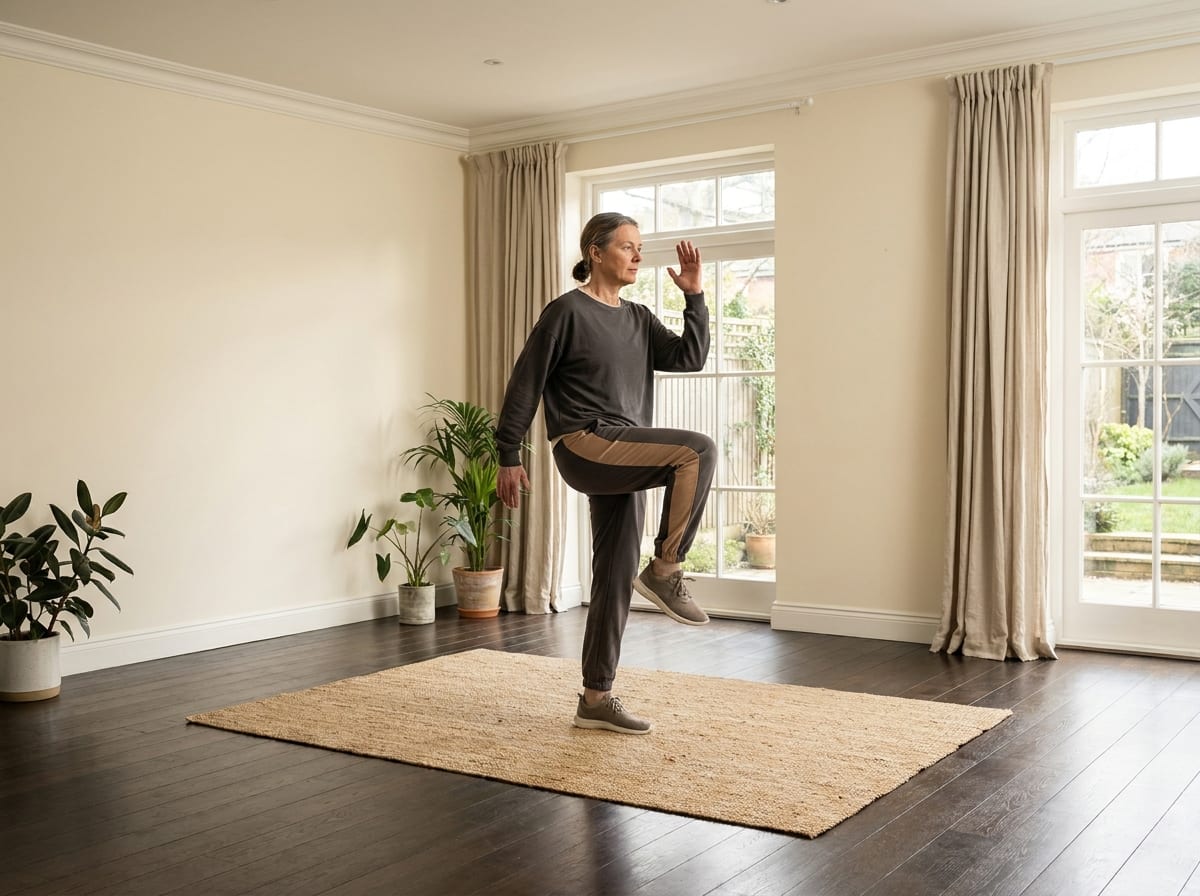
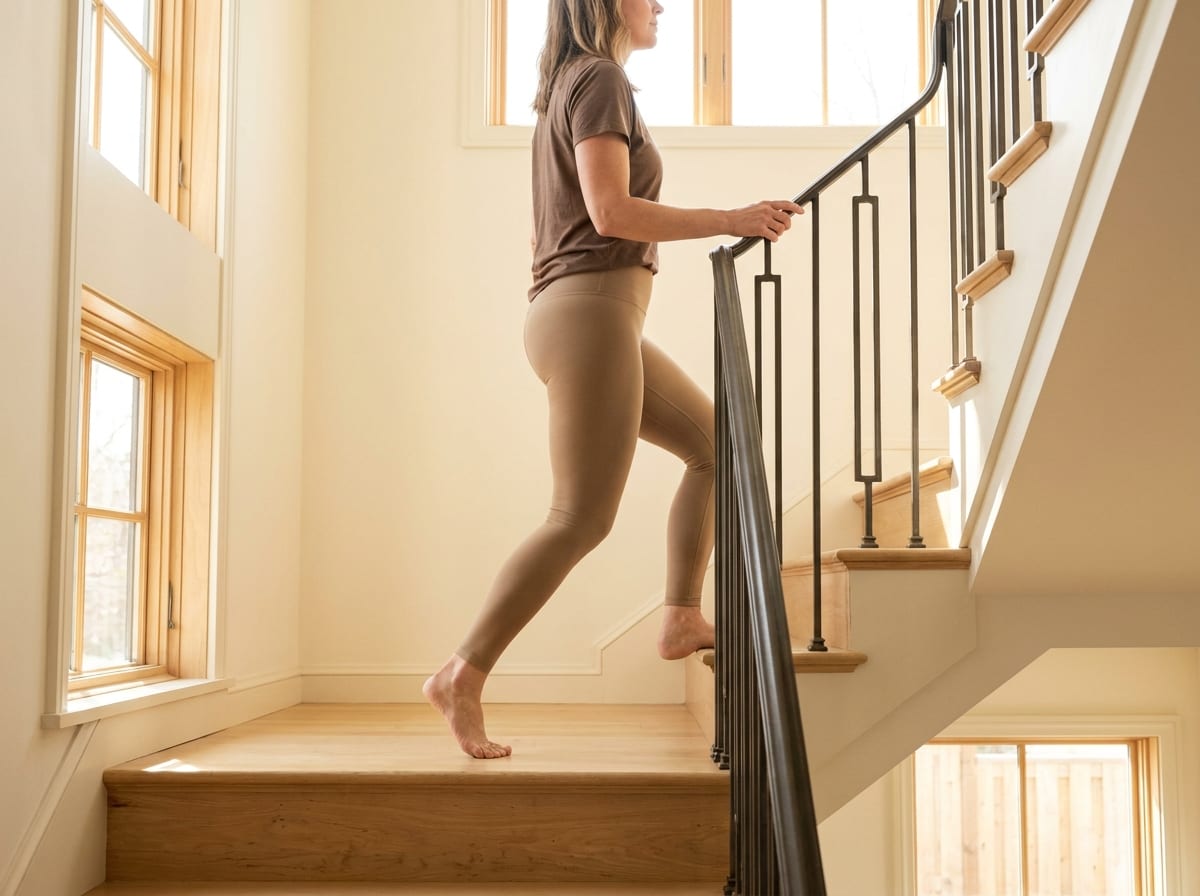
Thirty-Minute Conversational Walk
A walk brisk enough that talking takes a little work and singing is off the table, held for thirty minutes straight. That's the exact intensity most of the resting-CRP evidence was collected at.
Why it works
Regular moderate aerobic exercise lowers resting C-reactive protein, and the effect holds up largely independent of weight loss, which matters, because it means the walk itself is doing something, not just standing in for a diet you haven't started. Here's the twist in the mechanism that makes this genuinely interesting: contracting muscle releases interleukin-6 in an acute burst, and that's the exact same cytokine that signals chronic inflammation when it's sitting elevated at rest. Muscle-derived IL-6 behaves completely differently, though. It triggers the anti-inflammatory cytokines IL-10 and IL-1ra and actively suppresses TNF-alpha. So that acute spike is literally part of the mechanism that brings your resting level down, which is exactly why showing up consistently beats going hard occasionally. Thirty minutes at a pace where you can still hold a conversation, most days of the week, is the shape the evidence took. Not a guess dressed up as a protocol.
How to do it
- Start at an easy pace for three or four minutes and let the breath settle before you push it.
- Lift to a pace where you could speak in full sentences but would rather not sing. That is the intensity, and it is easier to feel than to measure.
- Hold it for around twenty-five minutes. Hills and stairs are welcome; slowing on them is fine.
- Ease off for the last three minutes rather than stopping dead.
- If you want a number, a heart rate around sixty to seventy percent of your maximum is the same place, but the talking test gets there without a strap.
Dose: 30 minutes, five or six days a week. Consistency is the entire mechanism, not a nice-to-have.
⚠ Educational content for discussion with a clinician, not medical advice. Get clearance before starting regular aerobic work if you have a cardiac condition, uncontrolled blood pressure, or have been sedentary for a long time. Stop for chest pain, unusual breathlessness, or dizziness.