Algal DHA (Vegetarian Omega-3)
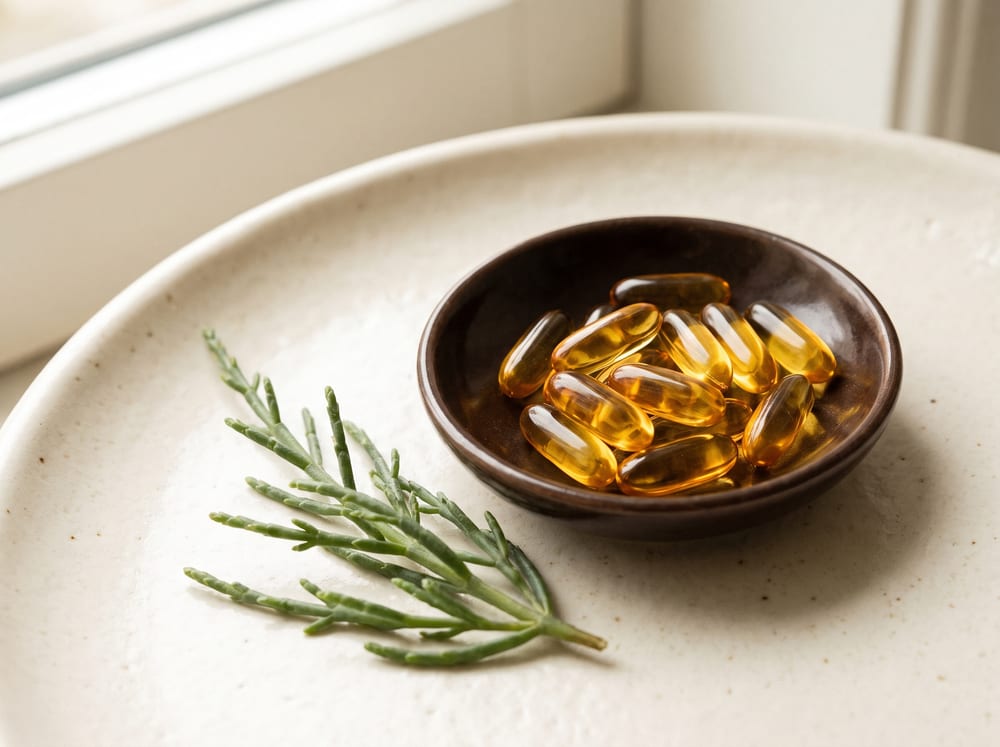
DHA is the structural fat your baby's brain and retina are built from, and demand goes into overdrive by the third trimester. Algal DHA hands it over straight from the microalgae, the exact source fish raid for their own DHA. Skip the fish. Skip the mercury. Keep the omega-3.
Evidence
Moderate, and here's what that means. Meta-analyses show a real, modest cut in early preterm birth, plus small bumps in birth weight and gestation length. The cognition and vision payoff for your kid down the line? Still inconsistent across trials. The preterm-birth reduction is the signal that keeps showing up, study after study. That's the receipt worth carrying.
Interactions
At the modest doses used in pregnancy, meaningful interaction with anticoagulants or antiplatelets is unlikely; caution and clinician input apply at higher intakes (over roughly 3 g/day of total omega-3) or around scheduled surgery. Algal DHA avoids the fish-allergen and heavy-metal concerns of some fish oils.
Cautions
Confirm the dose with your OB or midwife, since DHA targets are individualized and already partly met by diet and some prenatals. Choose products tested for oxidation and purity. This is educational information for discussion with a clinician, not a prescription.
Food sources
Marine microalgae is the vegetarian source. In the diet, look to low-mercury fatty fish like salmon, sardines, and anchovies.