Alpha-Lipoic Acid (ALA)
ALA works overtime in your mitochondria: it's a potent antioxidant that recharges vitamins C and E and glutathione instead of burning out. It boosts insulin-stimulated glucose uptake by pushing more GLUT4 transporters to the cell surface, and it calms oxidative stress in nerve tissue. One compound, three jobs on the payroll.
Evidence
The strongest human evidence here is for symptomatic diabetic peripheral neuropathy. Meta-analyses, mostly of IV ALA, show real symptom improvement, not a hint of a stretch. Oral ALA lowering your fasting glucose or HbA1c, though? That part's weaker and more modest. Which is exactly why the glucose-control grade lands at moderate, not strong.
Interactions
Can add to the glucose-lowering effect of insulin and oral hypoglycemics (risk of hypoglycemia). Theoretically chelates metals and may interact with thyroid hormone and chemotherapy agents; separate from levothyroxine dosing.
Cautions
Generally well tolerated; can cause nausea and, rarely, insulin autoimmune syndrome (hypoglycemia) in predisposed individuals, more reported in East Asian populations. Monitor glucose when combined with diabetes medications.
Food sources
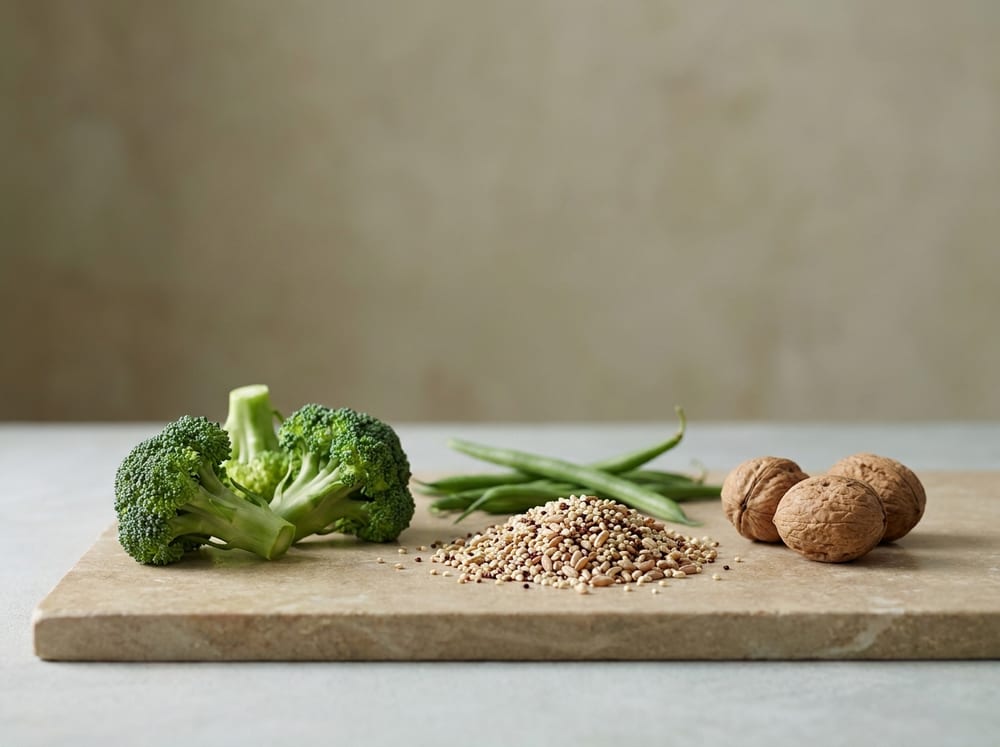
Small amounts turn up in red meat, organ meats like liver and kidney, and vegetables such as spinach and broccoli. Food quantities don't come close to supplemental doses.