Calcium Citrate
Calcium is the headline mineral in fetal bone, full stop, and your baby is drawing it from your intake first. Come up short, and it pulls from your own bone stores instead, no negotiation. Adequate calcium also keeps your vascular tone and blood pressure in line. The citrate form is the practical pick here: it absorbs well whether or not there's food in your stomach, which matters if you're also on acid-reducing medication.
Evidence
Moderate, and the story here is really about who's asking. In populations with low dietary calcium, supplementing it cuts the risk of pre-eclampsia and other hypertensive complications, which is exactly why the WHO recommends it for low-intake settings. But if you're already meeting your calcium needs through food? The added benefit basically disappears. This is gap-filling, not a routine high-dose free-for-all.
Interactions
Calcium reduces absorption of iron, levothyroxine, tetracycline and fluoroquinolone antibiotics, and bisphosphonates (separate by 2-4 hours); combined with high-dose vitamin D or thiazide diuretics it can raise blood calcium. Space it away from an iron supplement rather than taking them together.
Cautions
Confirm the target with your OB or midwife and count dietary intake first, since prenatal calcium needs are individualized and excess supplementation offers no added benefit and may carry cardiovascular concerns in replete individuals. Stay within the tolerable upper intake. This is educational information for discussion with a clinician, not a prescription.
Food sources
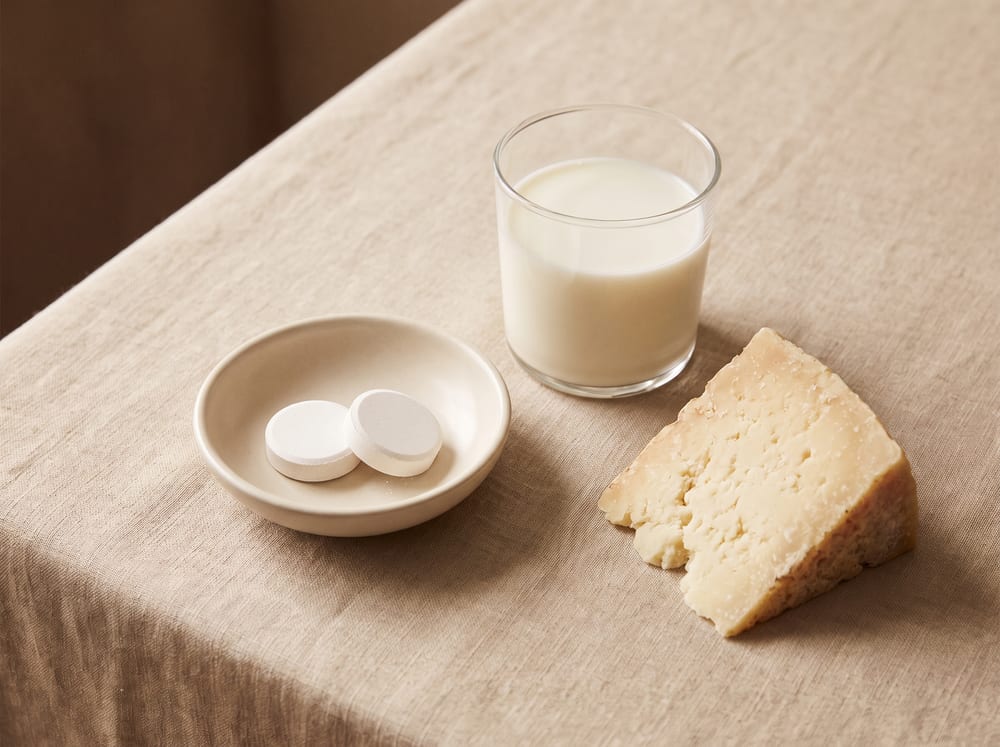
Dairy (milk, yogurt, cheese), fortified plant milks, tofu set with calcium, canned fish with bones like sardines and salmon, and leafy greens such as kale and bok choy.