Red Yeast Rice
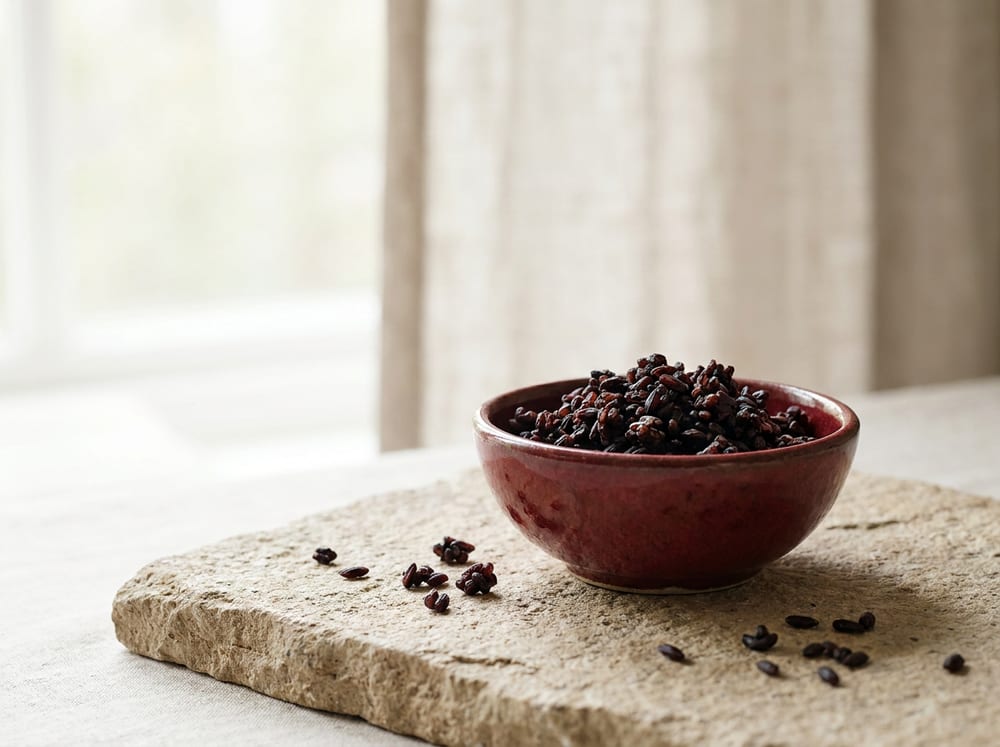
Red yeast rice is rice fermented with Monascus purpureus, and that fermentation produces monacolin K. Here's the part that matters: monacolin K is chemically identical to the statin lovastatin. Same compound, prescription drug hiding in a supplement bottle. It inhibits HMG-CoA reductase, the rate-limiting enzyme in cholesterol synthesis, and that's what brings LDL-cholesterol down.
Evidence
The meta-analyses don't play: LDL-cholesterol drops 15-25%, roughly 20-35 mg/dL, which is statin-level movement. The old China Coronary Secondary Prevention Study, using a standardized extract, even showed fewer recurrent cardiac events. So why only moderate and not strong? Because commercial products are a mess. Monacolin content swings wildly from bottle to bottle, and reproducibility falls apart when you can't trust the label.
Interactions
Because it contains a statin, it carries statin drug interactions: CYP3A4 inhibitors (certain azole antifungals, macrolides, some HIV protease inhibitors, grapefruit juice) and fibrates/gemfibrozil raise the risk of myopathy/rhabdomyolysis. Do not combine with a prescription statin, and use caution with anticoagulants.
Cautions
Can cause the same myopathy and liver-enzyme elevations as statins; monitor for muscle pain and check liver enzymes. Unregulated products vary in potency and may be contaminated with citrinin, a nephrotoxin. Contraindicated in pregnancy, breastfeeding, and active liver disease. This is essentially an unstandardized statin, so clinician oversight is warranted.
Food sources
Consumed as a fermented food and coloring agent in some East Asian cuisines, but culinary red yeast rice contains far less monacolin K than concentrated supplement extracts.