L-Glutamine
L-glutamine is the primary fuel source for enterocytes, the cells that line your small intestine, and it gets put to work building the tight-junction proteins that hold your gut barrier together. Under stress, illness, or heavy catabolic strain, your body can burn through the supply faster than it can keep up. That's the theory behind supplementing it: back up mucosal repair, keep intestinal permeability from getting out of hand.
Evidence
Evidence is emerging, which is the polite way of saying the theory is ahead of the proof. It's mechanistically sound, and there's supportive data from clinical settings like critical illness, surgery, and chemotherapy-related mucositis. But if you're a generally healthy person looking at this for routine leaky-gut, IBS, or everyday digestive complaints, the human evidence is thin and still preliminary. Solid theory. Early results.
Interactions
May interact with anti-seizure medications by affecting glutamate metabolism and could counteract lactulose used for hepatic encephalopathy. Discuss with a clinician if you take these.
Cautions
People with liver disease, particularly cirrhosis with any history of encephalopathy, and those with kidney impairment should avoid supplemental glutamine without medical guidance, since it is nitrogen-rich. Not a substitute for evaluation of persistent gut symptoms. Discuss with a clinician before use.
Food sources
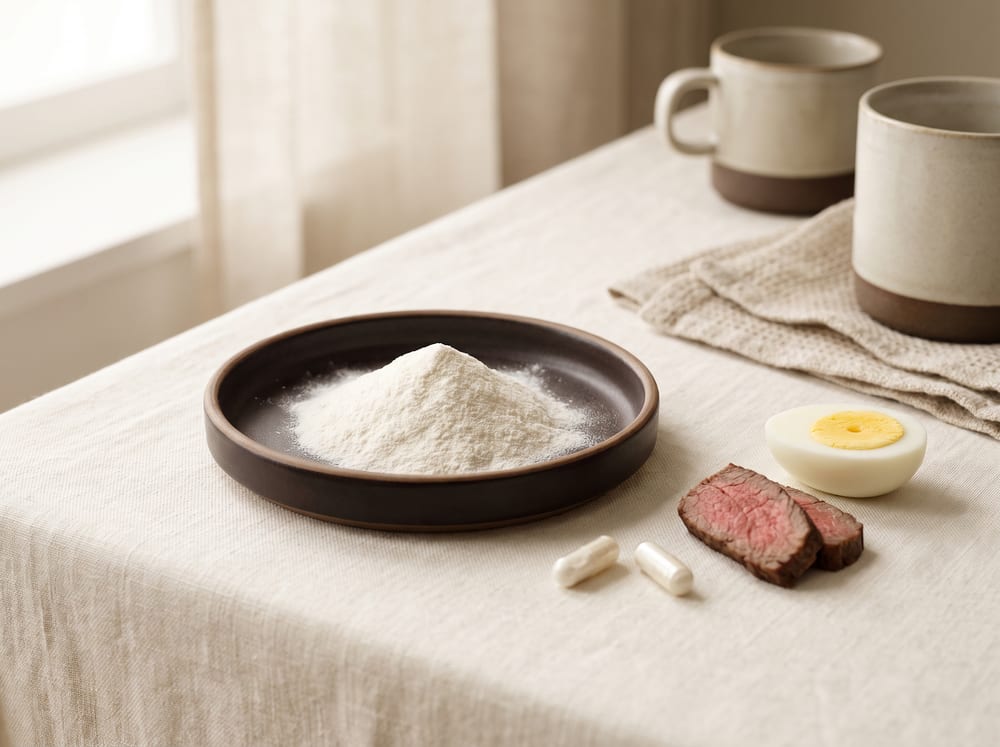
Abundant in protein-rich foods including beef, poultry, eggs, dairy, fish, and to a lesser degree beans, tofu, cabbage, and spinach.