Rhodiola Rosea
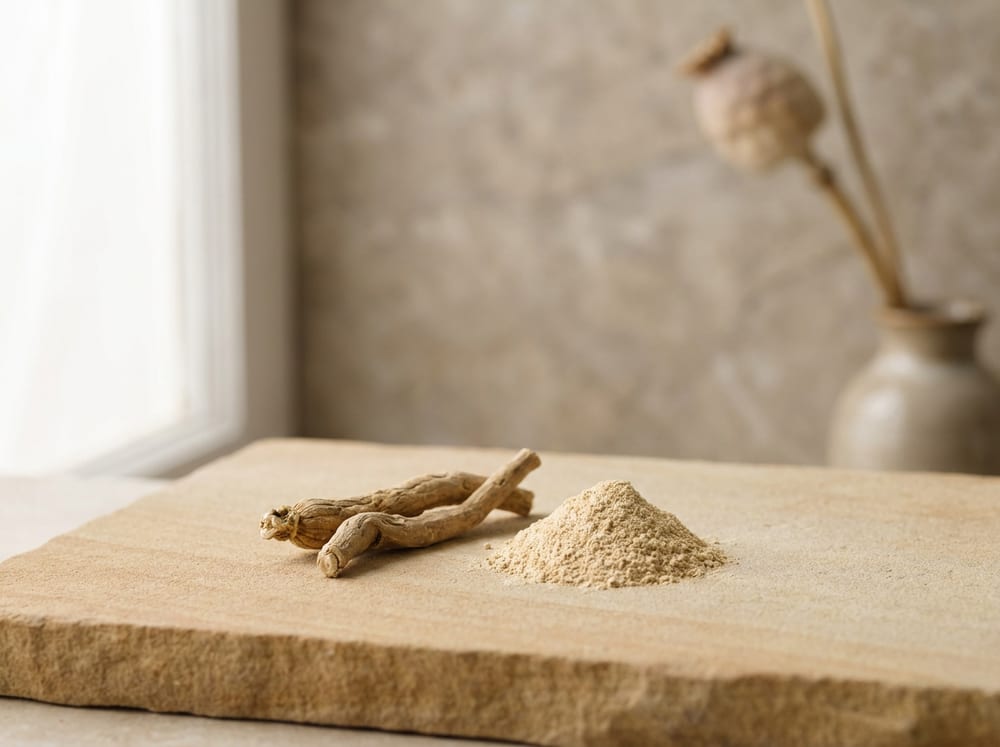
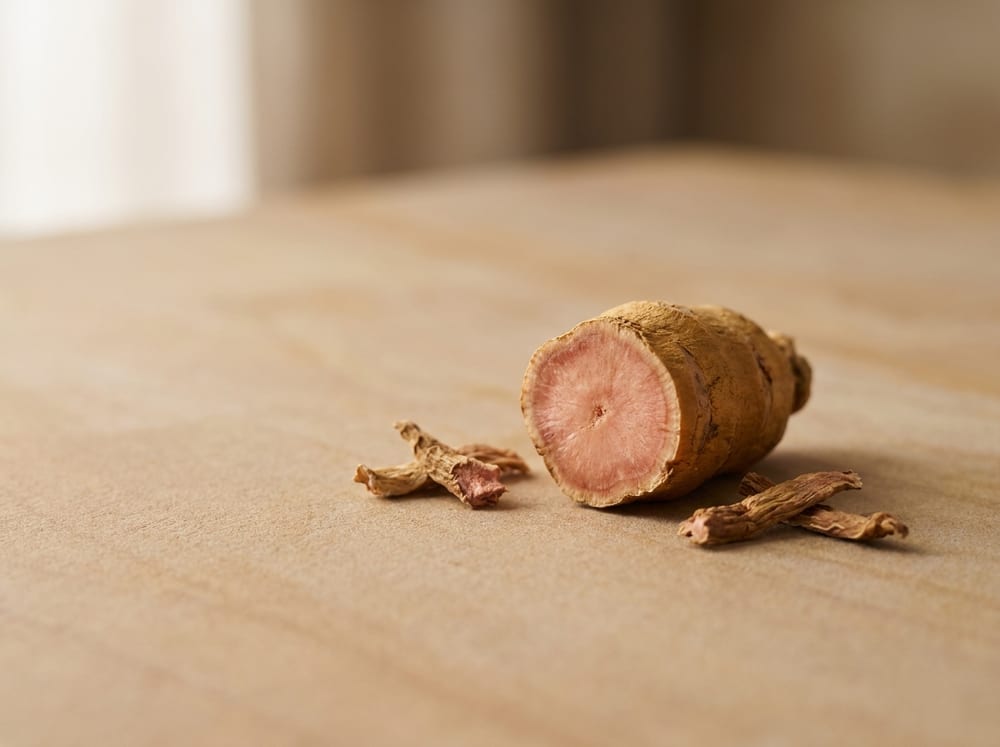
Rhodiola is an adaptogenic root, standardized to rosavins and salidroside, and it's got a job to do on your stress response. The theory: it modulates your HPA axis and blunts the cortisol awakening response, so your body isn't slamming you with stress hormone the second you open your eyes. It also plays with monoamine signaling, serotonin, dopamine, norepinephrine, which is the likely source of its anti-fatigue and stress-resilience reputation. An arctic root with opinions about your cortisol.
Evidence
Moderate, and it earns it. Several double-blind, placebo-controlled trials using the standardized SHR-5 extract show real improvement in stress-related fatigue and burnout, measured on scales researchers trust: Pines Burnout, Maslach. The cortisol awakening response normalizes too. What keeps it from strong: the extracts and outcomes vary study to study, and there are some methodological cracks. Solid. Just not bulletproof.
Interactions
May have additive or serotonergic effects with SSRIs, SNRIs, and MAOIs, so combine only with clinician oversight. Theoretical additive effect with stimulants. May affect blood sugar and blood pressure; monitor if on antidiabetic or antihypertensive drugs. Possible interaction with substrates of certain drug-metabolizing enzymes.
Cautions
Generally well tolerated; the main side effects are jitteriness, irritability, or insomnia from its stimulating quality, especially at higher doses. Use caution in bipolar disorder given its activating and mood-elevating potential. Data in pregnancy and breastfeeding are insufficient, so avoid there. Not a substitute for evaluation of persistent fatigue or burnout by a clinician.
Food sources
None. It is an Arctic and alpine root not part of the normal diet; benefits come from standardized extracts.