Zinc
Zinc is an essential trace mineral, and your reproductive axis cannot run without it: testosterone biosynthesis, luteinizing-hormone signaling, sperm production, plus hundreds of enzymes that depend on it to function at all. Run low on zinc and serum testosterone drops. Spermatogenesis takes a hit too. Fix the deficiency and those functions come back online. Small mineral, load-bearing job.
Evidence
If you're zinc-deficient, the human studies are clear: supplementation raises testosterone and improves markers of gonadal function, and severe deficiency is directly linked to hypogonadism. That part is not up for debate. But run the same trials in men who are already zinc-replete, and the extra benefit basically disappears. It fixes a deficiency. It does not juice a normal number higher.
Interactions
Reduces absorption of quinolone and tetracycline antibiotics (separate by 2+ hours). Impairs absorption of copper and can cause copper-deficiency anemia with prolonged high doses. Thiazide diuretics increase zinc loss; penicillamine and some other chelators interact.
Cautions
Excess zinc causes nausea, a metallic taste, immune suppression, and copper deficiency. Not a testosterone booster in men who are already zinc-replete. Best value is correcting a documented or likely deficiency. Reference information only; no cure claims.
Food sources
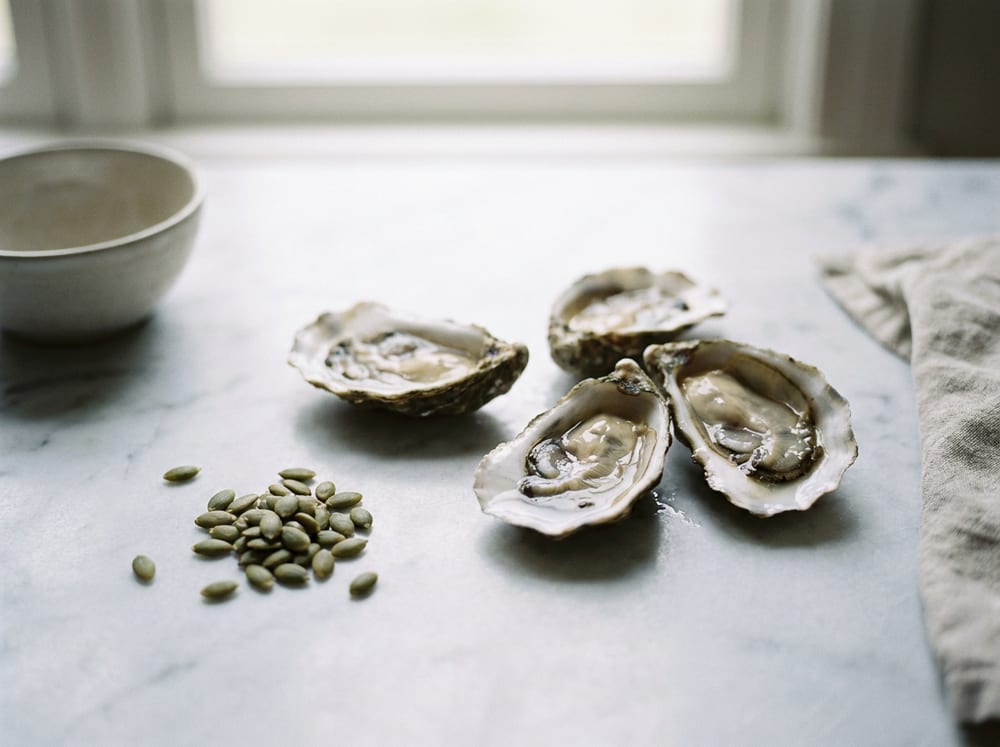
Oysters (by far the richest), red meat, poultry, crab and shellfish, pumpkin seeds, cashews, chickpeas, lentils, and whole grains. Plant sources are less bioavailable due to phytates.