Know what you are taking.
A graded guide to supplements studied for longevity, cardiovascular, blood-sugar, and cognitive support. What the evidence says, how to use it well, and one pick we would buy ourselves.
53 supplements
 Moderate evidence
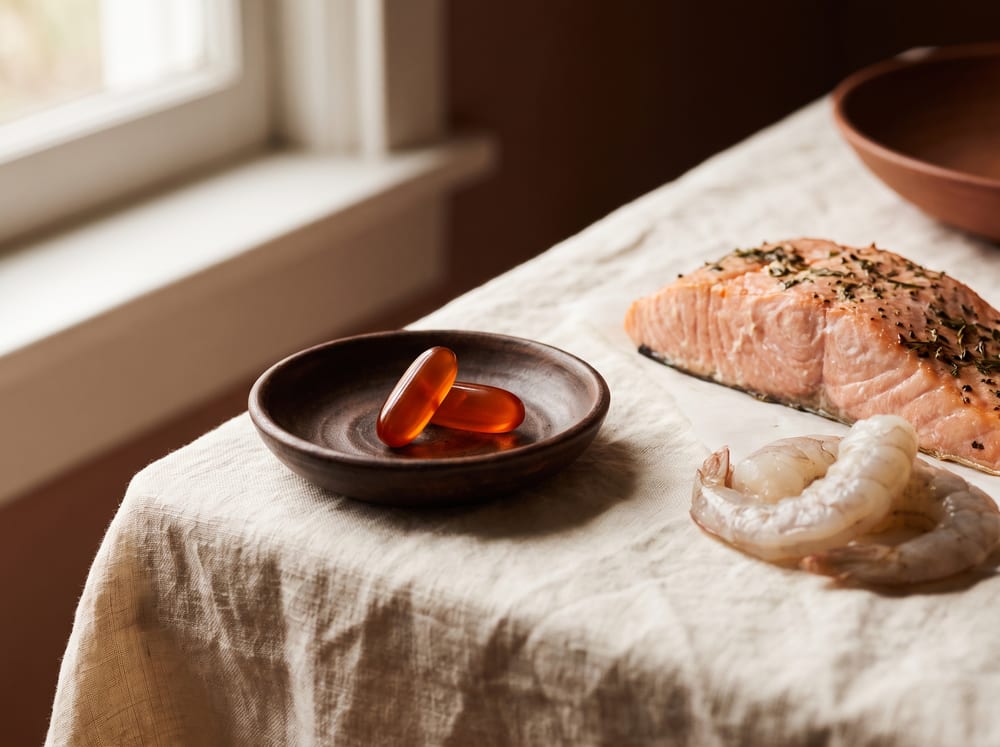
 Algal DHA (Vegetarian Omega-3)
DHA is the structural fat your baby's brain and retina are built from, and demand goes into overdrive by the third trimester. Algal DHA hands it over straight from the microalgae, the exact source fish raid for their own DHA. Skip the fish. Skip the mercury. Keep the omega-3.
 Moderate evidence
 Alpha-Lipoic Acid (ALA)
ALA works overtime in your mitochondria: it's a potent antioxidant that recharges vitamins C and E and glutathione instead of burning out. It boosts insulin-stimulated glucose uptake by pushing more GLUT4 transporters to the cell surface, and it calms oxidative stress in nerve tissue. One compound, three jobs on the payroll.
 Strong evidence
 Ashwagandha (KSM-66)
Withania somnifera root extract, standardized to withanolides, and that's the part doing the work. It appears to work your HPA axis, the command center for your stress hormones, and turns the cortisol response down before it spirals. It's also got GABAergic activity, which is the calming part you feel. Those same withanolides show antioxidant activity in neural tissue too, so it's not a one-trick root.
 Emerging evidence
 Astaxanthin
Astaxanthin is a red xanthophyll carotenoid, mainly pulled from the microalga Haematococcus pluvialis, and its molecular structure is the whole trick: it sits directly across your cell membranes and quenches singlet oxygen and free radicals better than most other carotenoids manage. In skin, the theory is that it dampens UV- and inflammation-driven activity of matrix-metalloproteinases, specifically MMP-1, the enzyme that chews through your collagen. Less MMP-1 activity, more collagen left standing. That's internal photoprotection and antioxidant support, working from the inside out.
 Moderate evidence
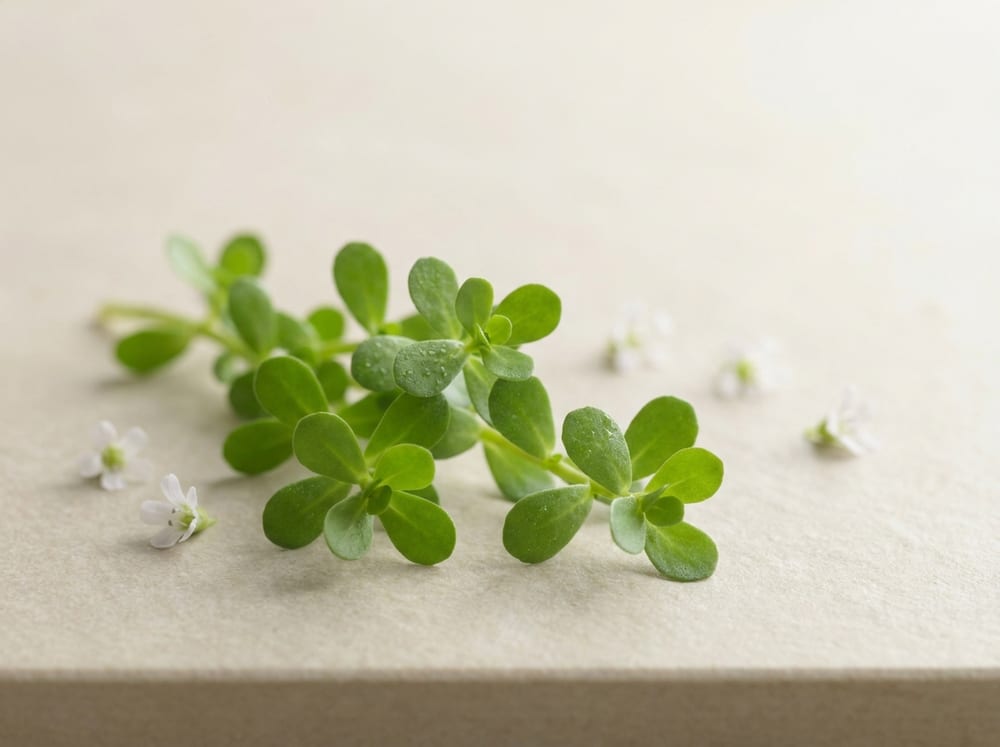
 Bacopa monnieri
Standardized to bacoside saponins, Bacopa gets to work on your synapses, boosting synaptic transmission and dendritic branching, the wiring behind memory consolidation. It also modulates cholinergic signaling, nudging acetylcholinesterase activity, and plays antioxidant in the hippocampus while it's at it. Don't expect fireworks by Tuesday, though. This is a slow, adaptive mechanism, not a quick hit, so the payoff shows up over weeks, not hours.
 Moderate evidence
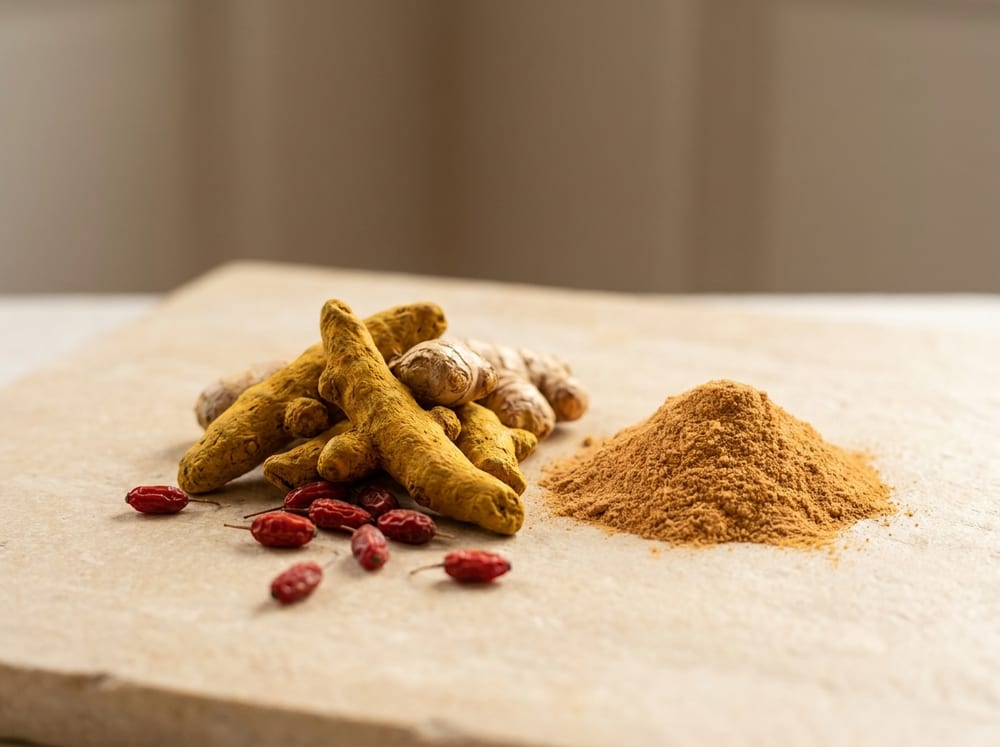
 Berberine
Berberine flips on AMPK, AMP-activated protein kinase, basically your metabolic master switch. Once that's on, glucose uptake in your muscles goes up, your liver backs off making glucose it doesn't need, and insulin sensitivity improves. It also slows carb absorption in your gut and reshuffles the gut microbiome while it's at it. One plant alkaloid, a whole lot of jobs.
 Moderate evidence
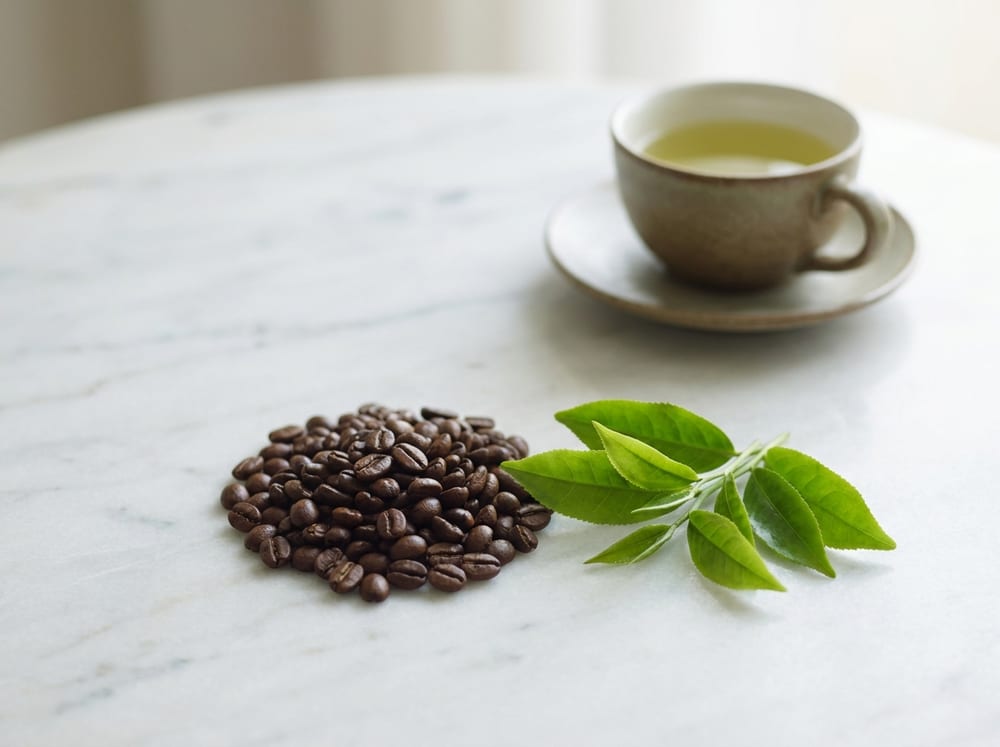
 Caffeine + L-Theanine
Caffeine blocks your adenosine receptors, the ones telling your brain to slow down, and cranks up arousal and firing rate. L-theanine, an amino acid built like glutamate, crosses the blood-brain barrier and turns up alpha-band EEG activity, the calm-but-awake brainwave. Together, theanine takes the jitters and the anxious edge off caffeine without touching the alertness. You get the lift. The shake stays home. The payoff: your arousal-attention curve shifts toward accuracy on the hard stuff, not just raw speed.
 Moderate evidence
 Calcium (Calcium Carbonate / Citrate)
Calcium runs nerve signaling, muscle contraction, and neurotransmitter release, not just bone density, and its metabolism rises and falls right along with your estrogen. The leading theory: subtle shifts in calcium and vitamin D status during the luteal phase help drive PMS mood and physical symptoms, and topping up calcium smooths that swing back out.
 Moderate evidence
 Calcium Citrate
Calcium is the headline mineral in fetal bone, full stop, and your baby is drawing it from your intake first. Come up short, and it pulls from your own bone stores instead, no negotiation. Adequate calcium also keeps your vascular tone and blood pressure in line. The citrate form is the practical pick here: it absorbs well whether or not there's food in your stomach, which matters if you're also on acid-reducing medication.
 Moderate evidence
 Chasteberry (Vitex agnus-castus)
Chasteberry fruit extract goes straight to the pituitary gland, where its dopaminergic compounds turn down prolactin secretion and quietly rebalance your estrogen-to-progesterone ratio across the luteal phase. More adequate progesterone signaling is the whole theory behind why this helps with PMS symptoms and cyclical breast tenderness, the medical word for it is mastalgia, and yes, that's a real word for a very real monthly complaint.
 Moderate evidence
 Choline (as bitartrate or citrate)
Choline is essential, not optional, and your body uses it to build three different things: phosphatidylcholine for cell membranes, acetylcholine for neurotransmission, and betaine for methyl-group metabolism, which overlaps with what folate is doing. Fetal demand spikes hard during pregnancy and lactation, and your own stores are what gets drawn down to cover your baby's neural and hepatic development.
 Mixed evidence
 Chromium (Picolinate)
Trivalent chromium is thought to boost insulin's own action, cranking up insulin receptor tyrosine kinase activity. That mechanism used to get pinned on an oligopeptide called chromodulin, historically speaking. Whatever the exact wiring, the proposed payoff is the same: better insulin sensitivity, better glucose uptake into your cells.
 Mixed evidence
 Cinnamon (Cassia / Ceylon)
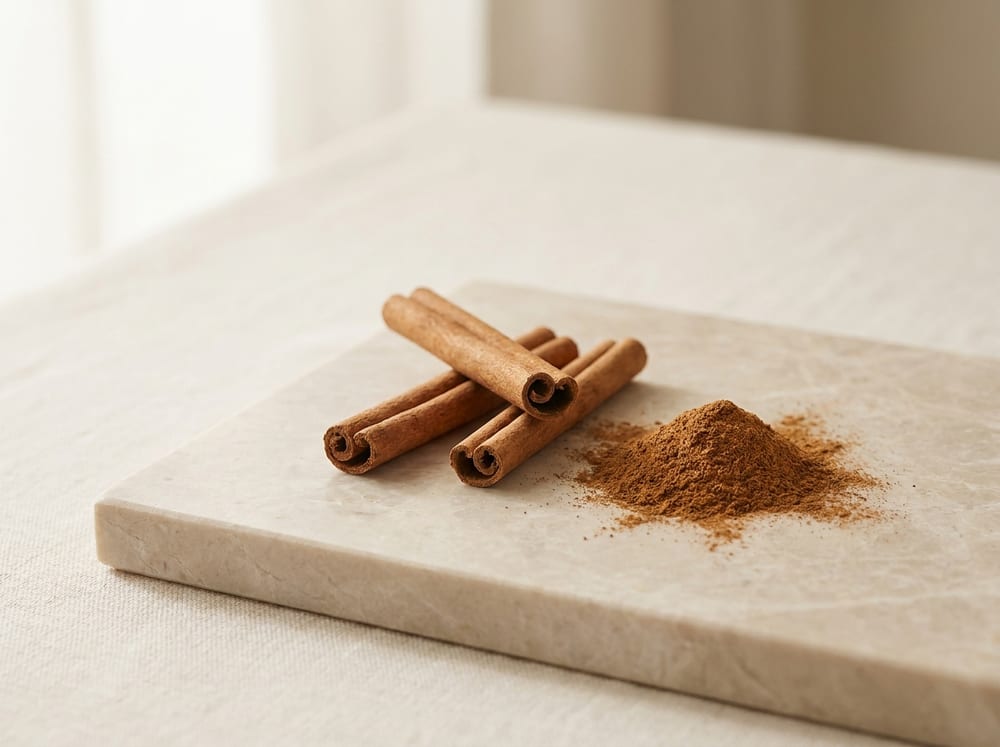
Cinnamaldehyde and type-A polyphenol polymers are the active players here, and they appear to potentiate insulin signaling by boosting insulin receptor autophosphorylation and GLUT4 translocation. They also block intestinal alpha-glucosidase, slowing down how fast carbs digest. Two separate levers, same direction: less of a glucose spike.
 Moderate evidence
 Coenzyme Q10 (Ubiquinone/Ubiquinol)
CoQ10 is an essential electron carrier riding the mitochondrial electron-transport chain, complexes I through III, which is how your heart makes its ATP. It also moonlights as a lipid-phase antioxidant, regenerating vitamin E and keeping LDL from oxidizing. Here's the problem: heart failure depletes myocardial CoQ10 on its own, and statins pile on, blocking the mevalonate pathway that makes it in the first place. Your heart's fuel source and its own medication can both be working against its CoQ10 supply at the same time.
 Emerging evidence
 Cramp Bark (Viburnum opulus)
Cramp bark's own bark contains compounds, scopoletin among them, thought to relax uterine and general smooth muscle. That relaxation is the entire rationale behind centuries of folk use against menstrual cramping, dysmenorrhea in clinical terms, and spasm generally. The name is not subtle. Neither is the theory.
 Moderate evidence
 Creatine Monohydrate
Creatine gets phosphorylated into phosphocreatine, and that's your buffer for ATP regeneration in the tissues working hardest, muscle and brain both. Pair it with resistance training and it backs real strength and lean mass gains, which matters more than people think: sarcopenia, the muscle loss that comes with aging, is one of the strongest predictors of frailty and mortality out there. Keeping your muscle is not vanity. It's survival math.
 Moderate evidence
 Curcumin (Curcuma longa)
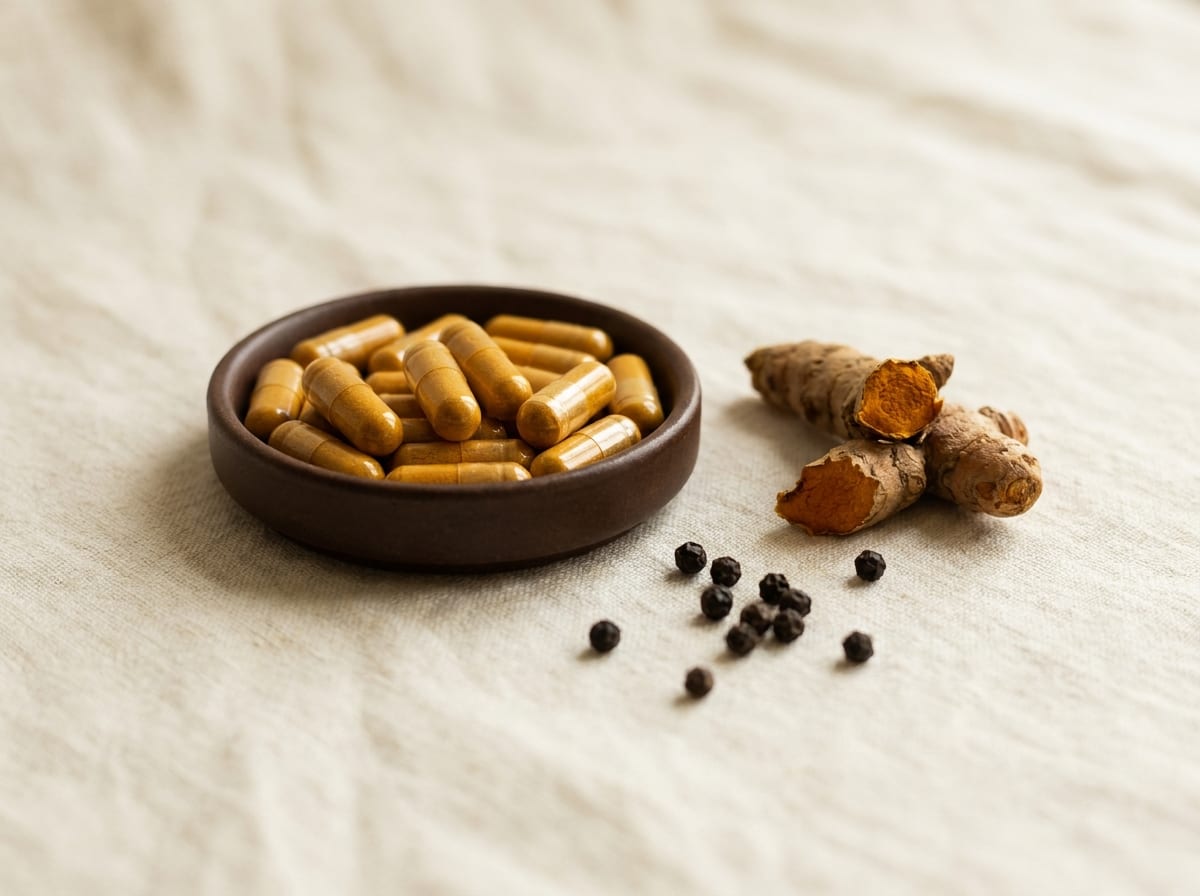
Curcumin is the yellow curcuminoid that makes up just a few percent of turmeric root by weight, and it goes straight for NF-kB signaling, the master switch that flips on a huge share of your inflammatory response. It also downregulates COX-2 and the cytokines riding downstream of it: TNF-alpha, IL-1beta, and IL-6. The mechanism was never the problem. Absorption is. Curcumin is fat soluble and poorly taken up from the gut to begin with, and the liver conjugates away what little gets in almost as fast as it arrives. Plain powder leaves you with plasma levels that barely register. Black pepper's piperine slows that liver conjugation and raises levels substantially, which is exactly why phytosome, nanoparticle, and micellar formulations exist. Same molecule. Better delivery.
 Moderate evidence
 Elderberry (Sambucus nigra)
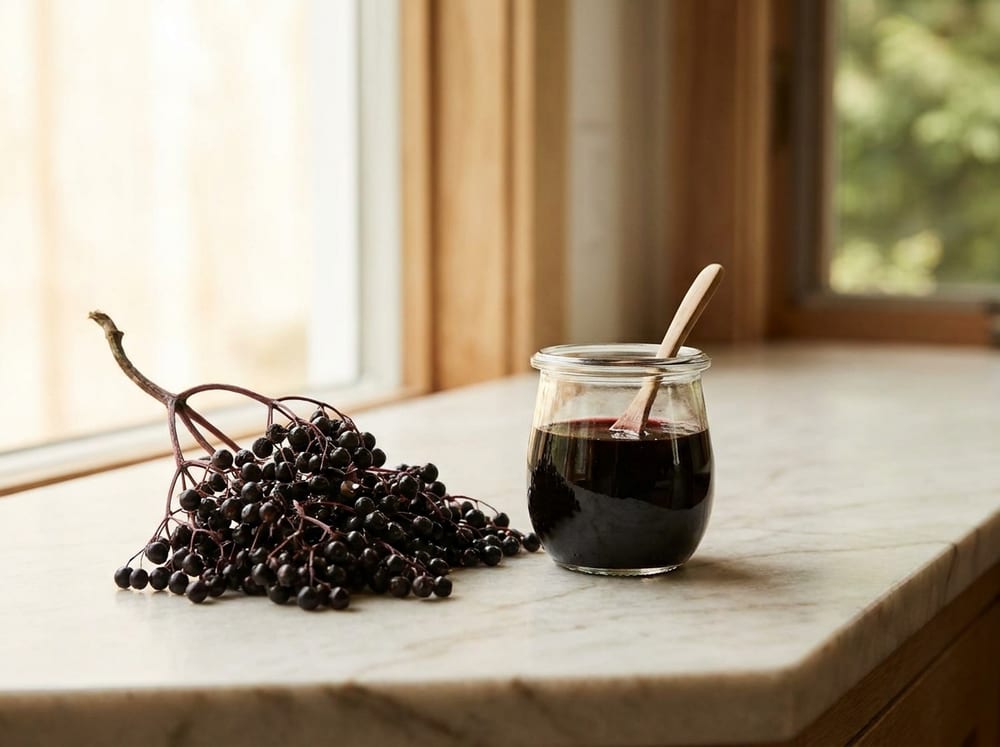
Elderberry is loaded with anthocyanin flavonoids, the same pigments giving it that deep almost-black color, and they pull antioxidant duty while, in laboratory studies, appearing to interfere with viral entry and replication and to modulate cytokine signaling. Translation: less virus getting in, less virus copying itself once it's there. The best-studied use by far is shortening how long and how badly a common upper-respiratory infection hits, and timing is the whole game: it works when started early, not as a rescue once you're already deep into it.
 Moderate evidence
 Enteric-Coated Peppermint Oil
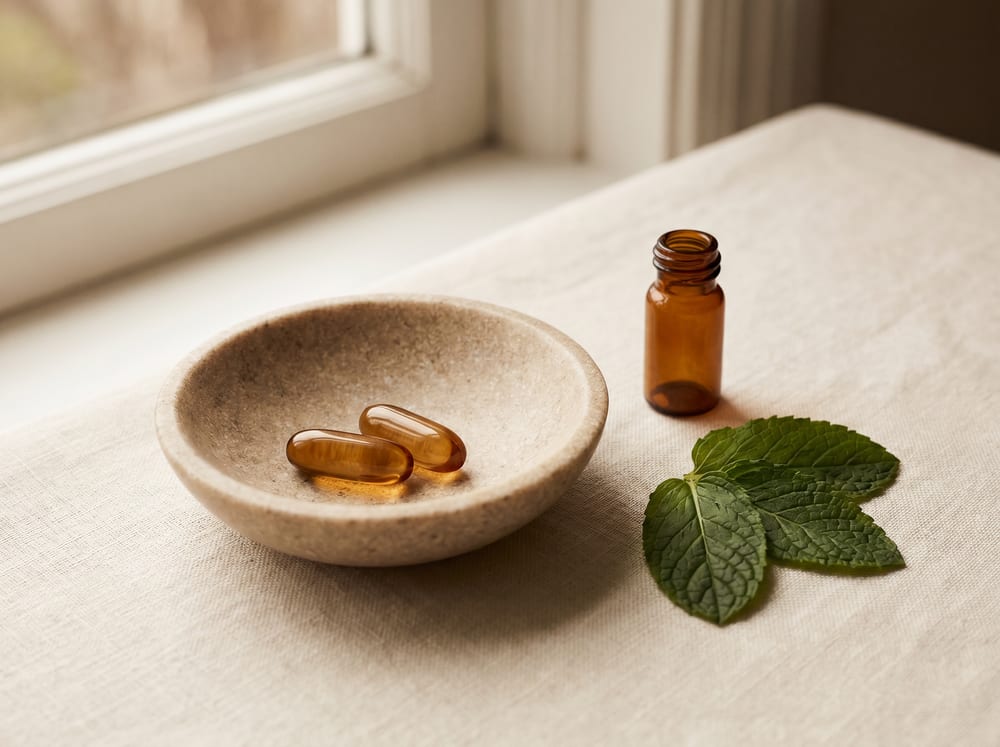
Menthol is peppermint oil's active constituent, and it works your gut like it's got something to prove: it blocks calcium channels in intestinal smooth muscle, so spasm relaxes and the cramping and pain back off. The enteric coating holds the oil back until it hits your lower gut instead of releasing early and relaxing the wrong sphincter, the one that turns your relief into reflux.
 Moderate evidence
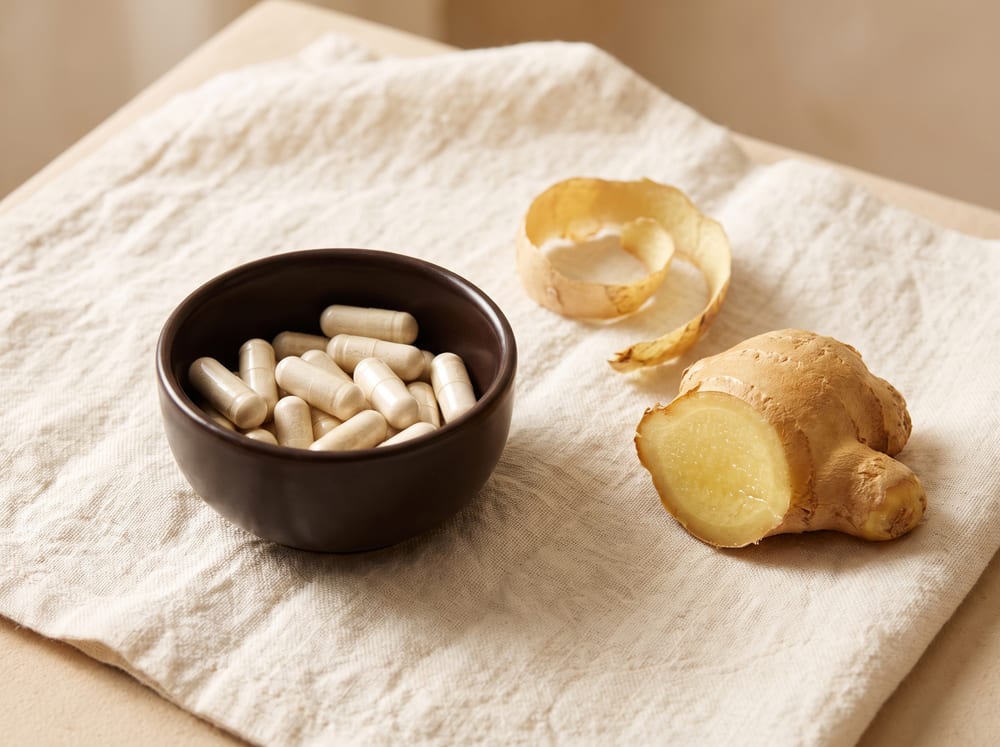
 Ginger Extract
Gingerols and shogaols are the active compounds in Zingiber officinale, and they don't stall. They speed up gastric emptying and get antral motility moving, while working on serotonin 5-HT3 and other receptors that control the nausea and vomiting reflex. That's how a stalled meal gets moving again and a queasy stomach settles down.
 Moderate evidence
 Glycine
Glycine is a non-essential amino acid, and don't let 'non-essential' fool you into thinking it's not doing anything. It's an inhibitory neurotransmitter in its own right and a co-agonist at NMDA receptors. Taken before bed, it's thought to widen your peripheral blood vessels enough to drop your core body temperature, which is your body's own cue that it's time to sleep. It may also work on central pathways that favor deep non-REM sleep and cut next-day fatigue.
 Moderate evidence
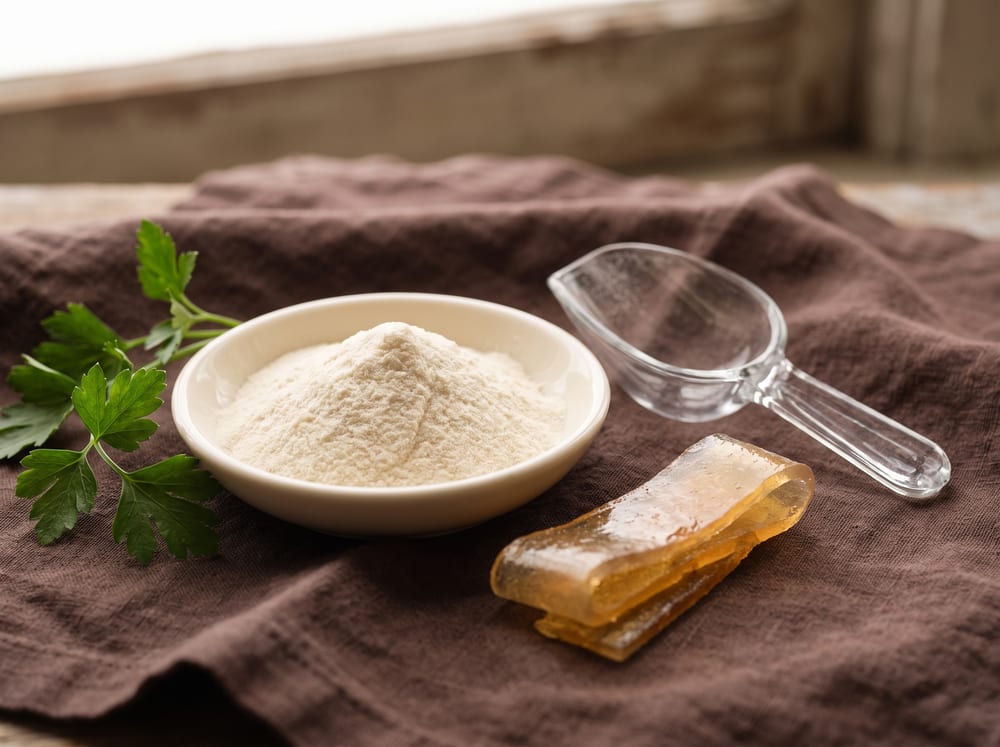
 Hydrolyzed Collagen Peptides
Collagen gets broken down into di- and tripeptides, prolyl-hydroxyproline being the one doing the real work, and they get absorbed intact instead of getting wasted as generic protein. Then they pull double duty. First, they hand your skin the amino-acid building blocks for making more collagen. Second, the bioactive peptides seem to signal your fibroblasts directly, telling them to ramp up collagen and hyaluronic-acid production, while also boosting natural-moisturizing-factor content in your outer skin layer. Building blocks and a signal boost. That's hot.
 Strong evidence
 Iron (Ferrous Bisglycinate)
Iron sits at the literal center of hemoglobin and myoglobin, and it's the cofactor your body leans on for oxygen transport and energy metabolism. Heavy or prolonged periods are one of the biggest reasons menstruating people run low on it, full stop. Replace that iron and you restore hemoglobin, and with it the oxygen delivery behind your energy, your concentration, your ability to get through a workout without feeling wrecked. Bisglycinate is the chelated form, picked specifically because it treats your gut better.
 Strong evidence
 Iron Bisglycinate (Gentle Iron)
Your body needs iron to build hemoglobin, and in pregnancy your hemoglobin volume goes up in a big way to keep oxygen flowing to the fetus and placenta. That demand is not optional, and it's not small. Bisglycinate is the chelated form, iron bound to two glycine molecules, and compared to ferrous sulfate at the same elemental dose, it tends to absorb better and treat your gut a lot more gently.
 Moderate evidence
 L-Carnitine (with Acetyl-L-Carnitine)
L-carnitine's job is ferrying long-chain fatty acids into the mitochondria for beta-oxidation, and that job happens to be central to how sperm make energy, since sperm run almost entirely on fatty-acid metabolism to keep moving. It's concentrated heavily in the epididymis, right where sperm mature, and its acetylated cousin, acetyl-L-carnitine, adds antioxidant capacity on top. The pitch: fuel the sperm cell better, cut the oxidative damage during maturation, and let motility and count both climb as a result.
 Emerging evidence
 L-Citrulline
Citrulline is a non-protein amino acid, and your kidneys turn it into L-arginine, the raw material nitric-oxide synthase needs to make NO. Here's the smart part: because citrulline skips first-pass liver metabolism, taking it orally raises your plasma arginine and NO more efficiently than just taking arginine straight. And NO is the whole game. It relaxes vascular smooth muscle in the corpus cavernosum, the exact pathway PDE5 inhibitors work downstream of, which means better penile blood flow and better endothelial vasodilation.
 Emerging evidence
 L-Glutamine
L-glutamine is the primary fuel source for enterocytes, the cells that line your small intestine, and it gets put to work building the tight-junction proteins that hold your gut barrier together. Under stress, illness, or heavy catabolic strain, your body can burn through the supply faster than it can keep up. That's the theory behind supplementing it: back up mucosal repair, keep intestinal permeability from getting out of hand.
 Moderate evidence
 L-Methylfolate (5-MTHF)
L-methylfolate is folate already in its active, methylated form, 5-MTHF, ready for your body to use directly for DNA synthesis, cell division, and one-carbon metabolism, including turning homocysteine into methionine. No extra conversion step required. That matters because it skips the MTHFR enzyme step entirely, which is exactly why people with the common MTHFR gene variants, who process folic acid less efficiently, reach for this form specifically. Adequate folate status feeds rapidly dividing cells: the developing egg, the sperm, the early embryo. And its role in cutting neural tube defect risk is not up for debate.
 Moderate evidence
 L-Theanine
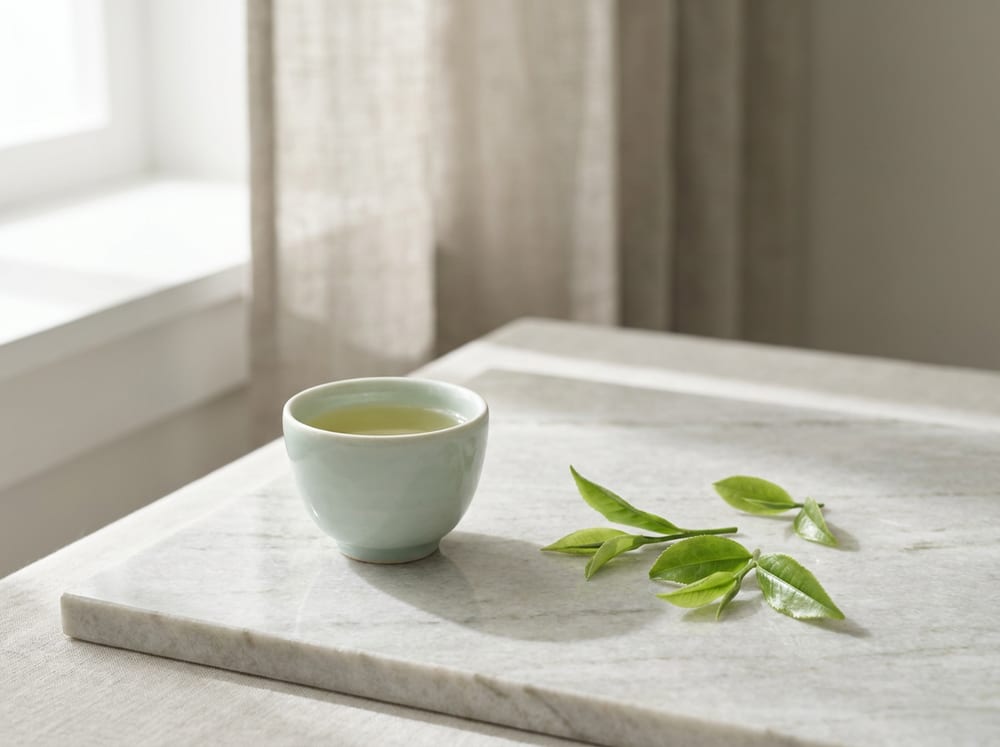
L-theanine is an amino acid straight out of tea leaves, and it doesn't mess around getting to work. It crosses the blood-brain barrier and turns up alpha brain-wave activity, the relaxed-but-alert state. It nudges GABA, serotonin, and dopamine upward, modestly, and takes the edge off glutamatergic overexcitation. That combination is exactly why you get calm without getting sleepy, and why it files the sharp edges off caffeine instead of canceling it out.
 Emerging evidence
 Maca Root (Lepidium meyenii)
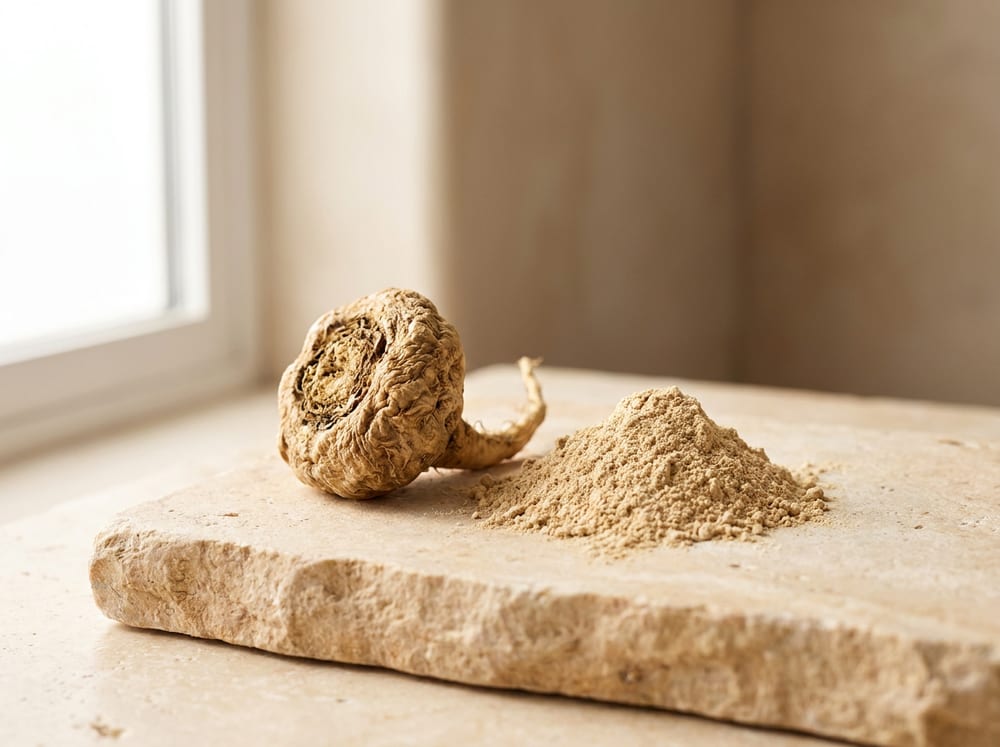
Maca is a Peruvian cruciferous root, and its bioactive macamides and macaenes seem to work on libido through central, non-hormonal pathways, which is the interesting part: it boosts sexual desire without measurably touching your testosterone or estrogen. Nobody's pinned down the exact mechanism yet. What's clear is what it isn't: not a hormone effect, not a nitric-oxide effect. Maca's doing something else entirely, and science hasn't fully caught up to it yet.
 Mixed evidence
 Magnesium (glycinate/citrate)
Magnesium is a cofactor for more than 300 enzymatic reactions: ATP metabolism, DNA repair enzymes, insulin-signaling pathways, plus it keeps your vascular tone in check and your heart's electrical rhythm stable. Keep your status where it should be and you're backing normal blood pressure, glucose handling, and neuromuscular function, all at once.
 Strong evidence
 Melatonin
Melatonin is the hormone your pineal gland already makes to announce that it's night. Take it as a supplement and it binds MT1 and MT2 receptors in the suprachiasmatic nucleus, nudging you toward sleep onset and shifting your circadian clock's phase. That's a chronobiotic effect, not a sedative knockout. Think less "lights out" and more "resetting the clock on the wall." Timing relative to your body clock decides which direction that shift goes, so when you take it matters as much as whether you do.
 Strong evidence
 Methylfolate (L-5-MTHF)
L-5-methyltetrahydrofolate is folate already in its active, circulating form, and it's the one donating methyl groups for DNA synthesis, homocysteine remethylation, and neural tube closure in those first critical weeks of embryonic development. Synthetic folic acid has to pass through the DHFR and MTHFR conversion steps to become useful. This form skips both, so your status isn't hostage to how well those enzymes happen to be working.
 Mixed evidence
 Multi-Strain Probiotic
You're taking in live bacterial strains here, usually from the Lactobacillus and Bifidobacterium genera, and they move into your gut lumen on a short-term lease. While they're there, they compete with less useful microbes for space and nutrients, produce short-chain fatty acids that feed your colonic lining, and talk to your gut-associated immune tissue. The catch: the effects are strain-specific, and most strains clear out the moment you stop supplementing, because they were never built to stick around.
 Moderate evidence
 Myo-Inositol (with D-Chiro-Inositol)
Myo-inositol is a sugar alcohol doing serious signaling work: it's a second messenger inside both the insulin and FSH pathways. In your ovaries specifically, it supports the FSH response and helps the oocyte mature, while also improving insulin sensitivity out in the rest of your body. There's a physiologic ratio at play too, myo- to D-chiro-inositol around 40:1, thought to mirror what's naturally found in healthy follicular fluid. That's exactly why combined formulas get used instead of D-chiro alone: your ovary didn't evolve to run on D-chiro by itself, so why would a supplement work that way.
 Mixed evidence
 N-Acetyl-Cysteine (NAC)
NAC is the precursor to glutathione, which is your body's central intracellular antioxidant, the big one, and it also carries mucolytic and insulin-sensitizing properties on top of that. In reproductive tissue the logic runs two directions: it may cut oxidative stress in both oocytes and sperm, and in women with PCOS specifically, it may improve insulin signaling and ovulatory response. For men, the target is seminal oxidative stress, the kind that can drag down sperm parameters if it's left unchecked.
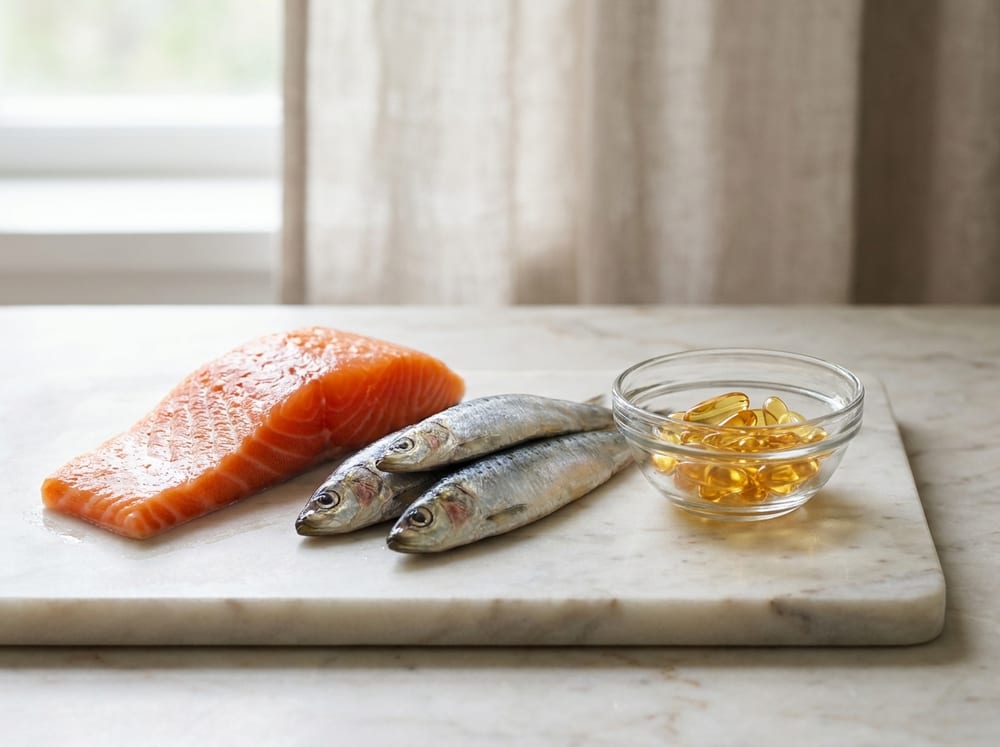
Omega-3 Fatty Acids (DHA/EPA)
Your brain cells are basically built out of DHA, girl. It's a structural phospholipid sitting right in neuronal membranes and synapses, keeping membrane fluidity in check, keeping synaptic signals firing, and feeding BDNF-related plasticity. EPA and DHA also team up to make resolvins and protectins: anti-inflammatory compounds that calm neuroinflammation. Adequate status is not optional. Your neurodevelopment and membrane function depend on it.
 Moderate evidence
 Omega-3 Fatty Acids (EPA/DHA)
Long-chain marine omega-3s don't just float around. EPA and DHA move into cell membrane phospholipids and set up shop, serving as substrates for anti-inflammatory resolvins and protectins. They also lower serum triglycerides by cutting hepatic VLDL synthesis, and they take the edge off systemic inflammation more broadly. Here's the flex: in observational cohorts, higher omega-3 status tracks with longer leukocyte telomere length.
 Moderate evidence
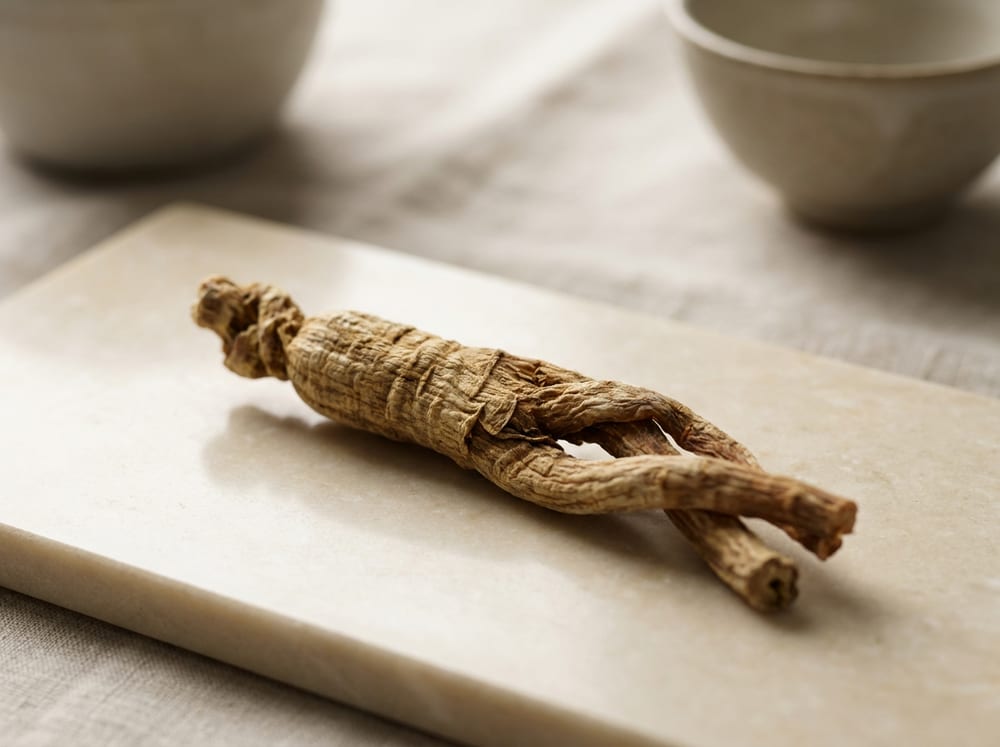
 Panax Ginseng (Korean Red Ginseng)
Ginsenosides go straight for nitric oxide, pushing your endothelial and neuronal cells to release more of it, and that's what drives vasodilation in penile tissue. That's the blood flow talking. There's also a possible assist on the hypothalamic-pituitary axis. Net effect: better cavernosal blood flow, plus some adaptogenic and antioxidant support for the vascular endothelium while it's at it. Girl, that root is multitasking.
 Moderate evidence
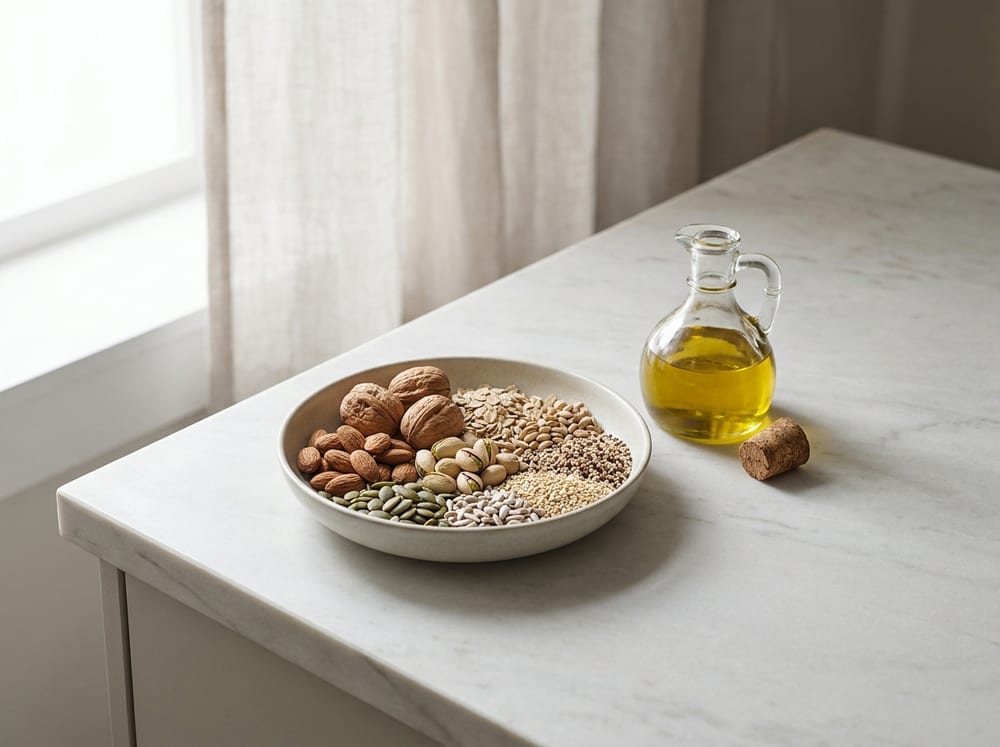
 Plant Sterols and Stanols (Phytosterols)
Phytosterols look enough like cholesterol to crash the party. They shove into intestinal micelles ahead of your dietary and biliary cholesterol, hogging the spots that would have absorbed it. Less cholesterol gets absorbed. Your LDL receptors ramp up clearance to compensate. Circulating LDL-cholesterol comes down. That's the mechanism, plain and effective.
 Strong evidence
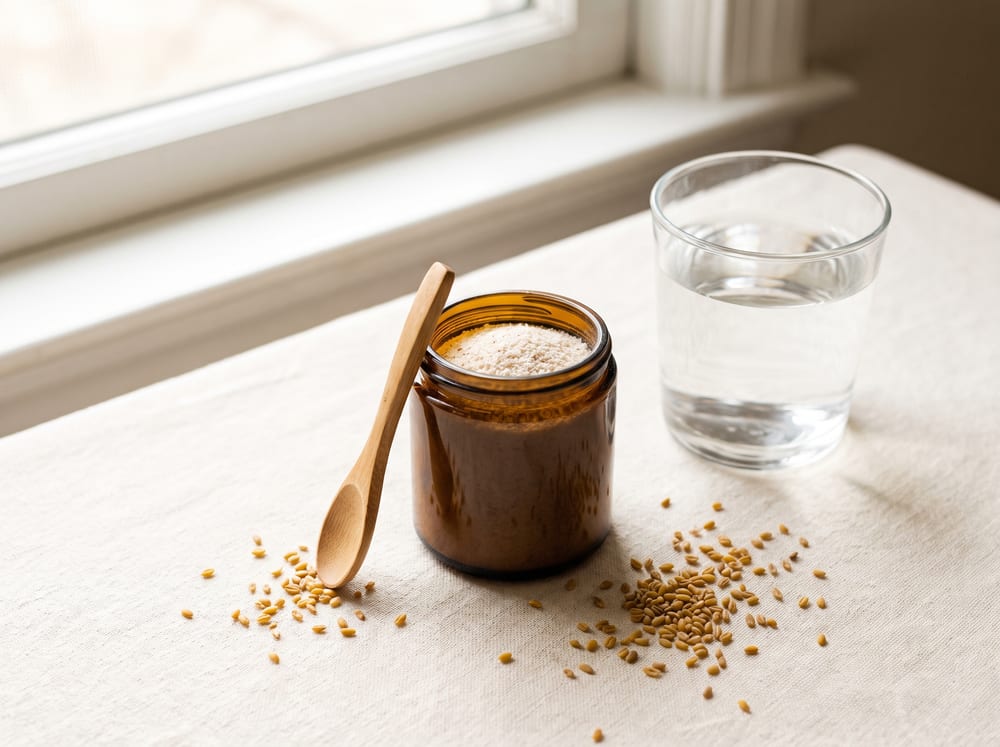
 Psyllium Husk
Psyllium comes from Plantago ovata seed husks, and it's a serious gel former. Give it water and it swells into a viscous gel that bulks up and softens stool. That normalizes transit whether it's constipation or loose stool. The same gel slows gastric emptying and glucose absorption, and it grabs bile acids on the way through. Your liver notices the bile acids are missing and pulls more cholesterol out of your blood to make replacements. One fiber, three separate wins.
 Emerging evidence
 Quercetin
Quercetin is a plant flavonoid doing double duty as an antioxidant and an anti-inflammatory. It also calms down mast cells, which gives it a mild antihistamine-like effect, useful information if you sneeze your way through spring. Here's the interesting part: it behaves like a zinc ionophore, helping escort zinc into your cells. That's one proposed route for its immune and antiviral reputation. At higher doses it also nudges blood pressure through vascular effects. A flavonoid with range.
 Moderate evidence
 Red Yeast Rice
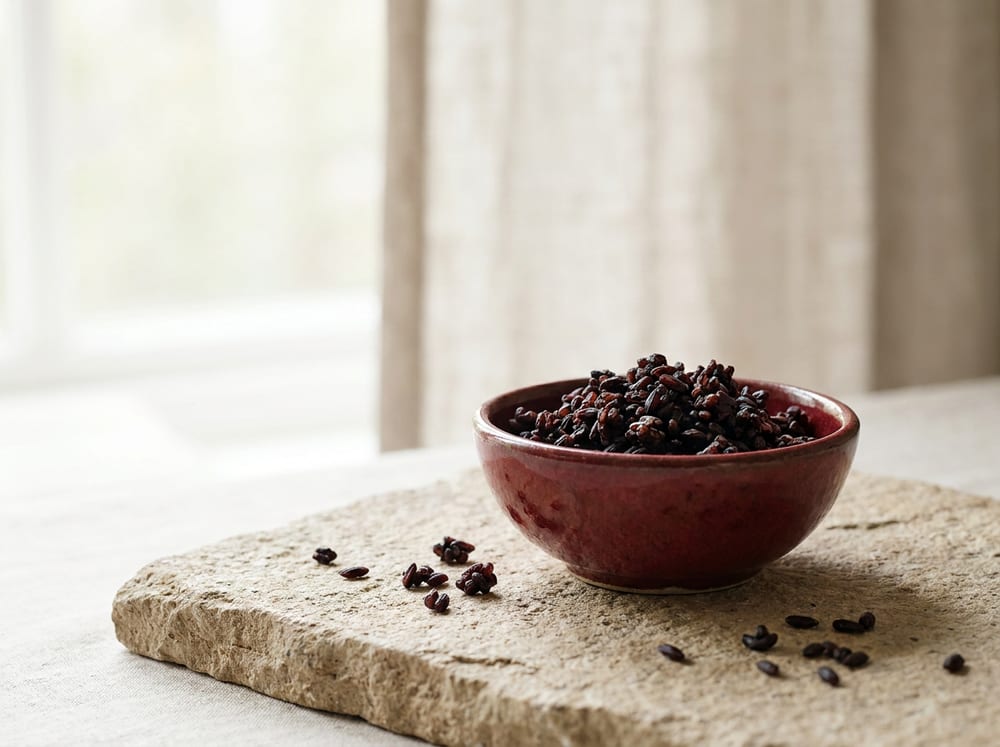
Red yeast rice is rice fermented with Monascus purpureus, and that fermentation produces monacolin K. Here's the part that matters: monacolin K is chemically identical to the statin lovastatin. Same compound, prescription drug hiding in a supplement bottle. It inhibits HMG-CoA reductase, the rate-limiting enzyme in cholesterol synthesis, and that's what brings LDL-cholesterol down.
 Moderate evidence
 Rhodiola Rosea
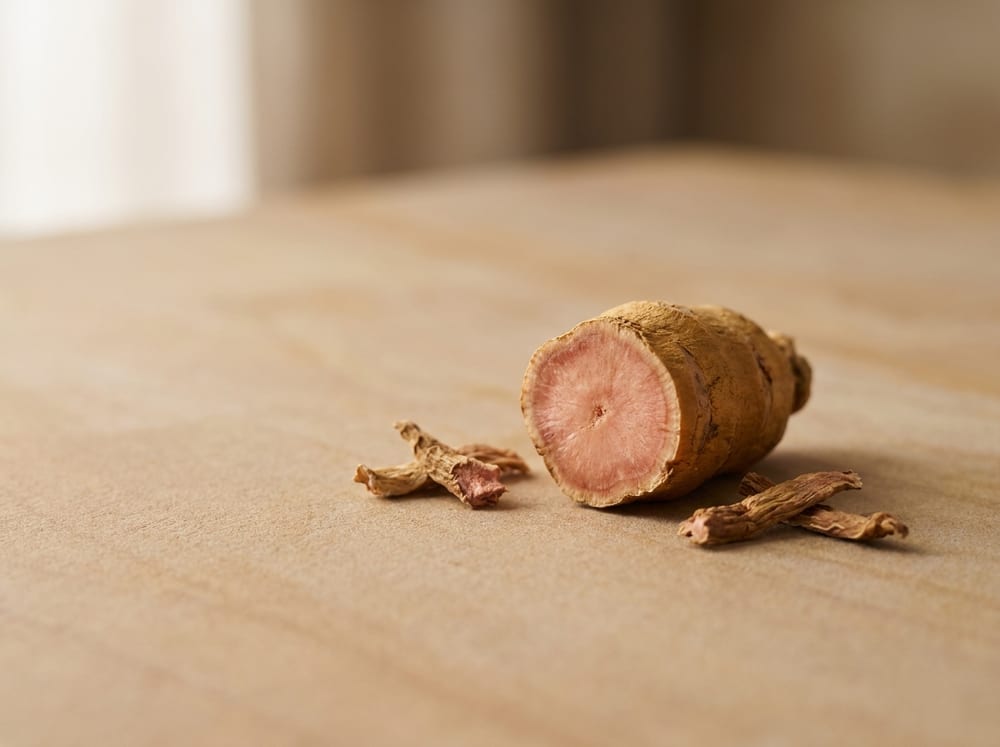
Rhodiola is an adaptogenic root, standardized to rosavins and salidroside, and it's got a job to do on your stress response. The theory: it modulates your HPA axis and blunts the cortisol awakening response, so your body isn't slamming you with stress hormone the second you open your eyes. It also plays with monoamine signaling, serotonin, dopamine, norepinephrine, which is the likely source of its anti-fatigue and stress-resilience reputation. An arctic root with opinions about your cortisol.
 Moderate evidence
 Saffron (Crocus sativus)
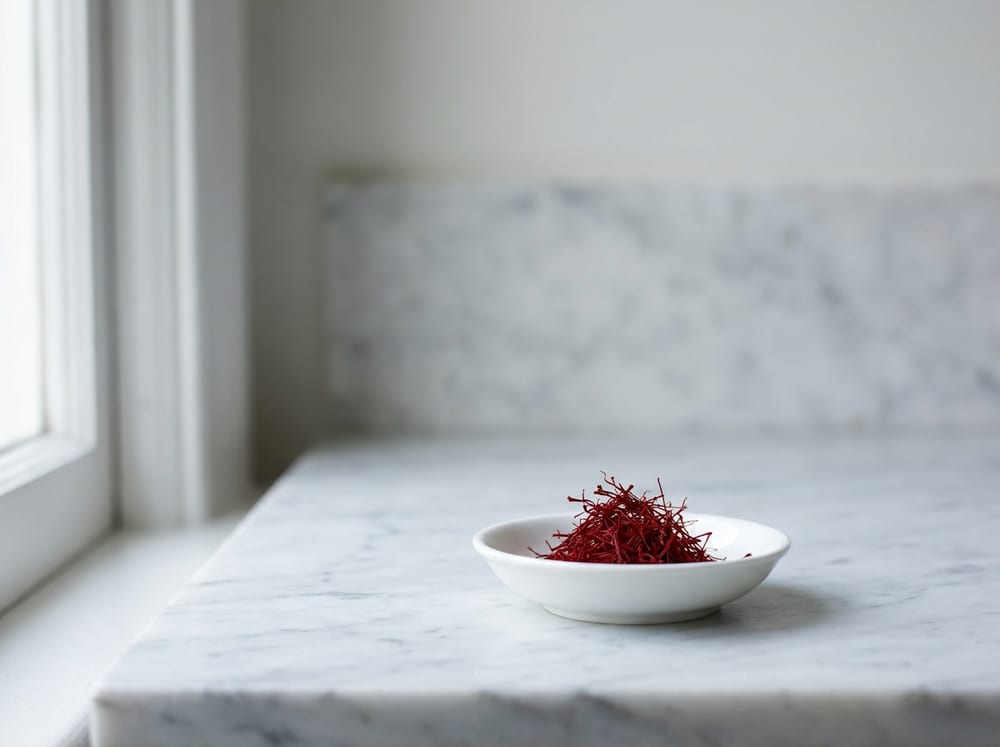
Saffron is the stigma of the crocus flower, and the workers are crocin, crocetin, and safranal. The theory is they inhibit reuptake of serotonin, dopamine, and norepinephrine, and they bring antioxidant and anti-inflammatory activity to the brain on top of that. Net result: better mood, less of that flat, joyless anhedonic fog. That's a lot of range for a spice rack staple.
 Mixed evidence
 Silica (Orthosilicic Acid) with Biotin
Bioavailable silicon, the choline-stabilized orthosilicic acid form specifically, looks like it stimulates type I collagen synthesis in your dermal fibroblasts and raises dermal hydroxyproline. That's the science behind the promise of firmer skin and stronger hair and nails. Biotin is riding along too: it's vitamin B7, a coenzyme for the carboxylase enzymes running fatty-acid and keratin metabolism, which is the whole reason it ends up in beauty formulas in the first place.
 Emerging evidence
 Tart Cherry (Montmorency)
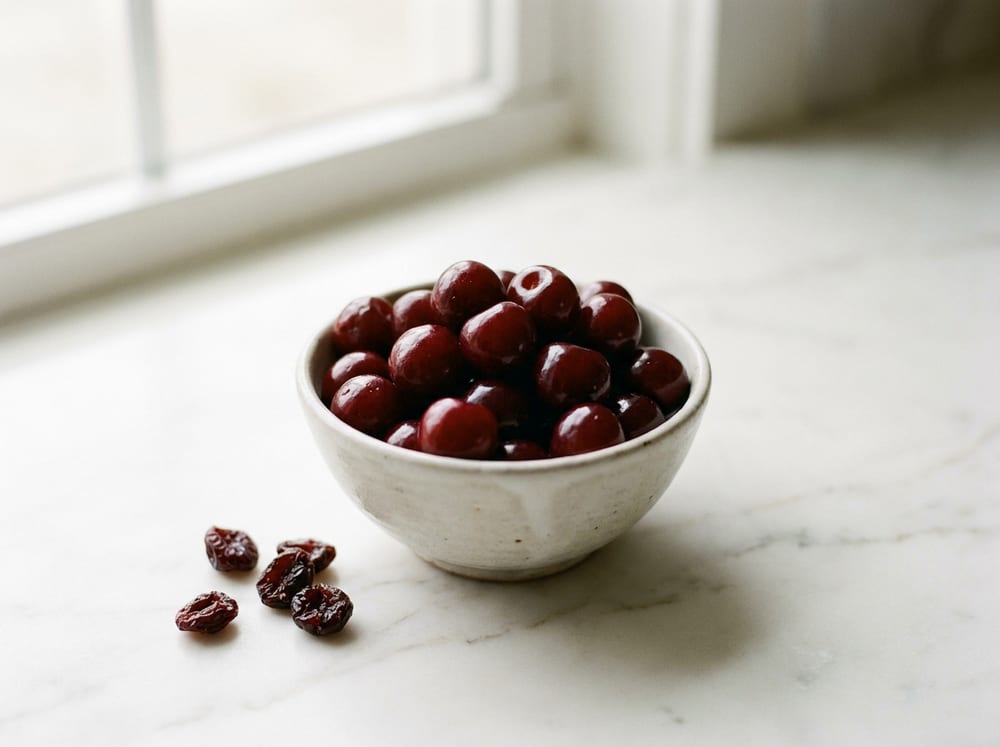
Montmorency tart cherries contain melatonin naturally, plus anthocyanins and a stack of other polyphenols. The proposed mechanism has two parts. First, a small direct dose of melatonin feeds straight into your circadian signaling. Second, the cherries inhibit tryptophan degradation by acting on indoleamine 2,3-dioxygenase, which can leave more serotonin and melatonin available for your body to use. Anti-inflammatory activity comes along for the ride. A tart little fruit doing sleep chemistry.
 Emerging evidence
 Ubiquinol (Reduced CoQ10)
Ubiquinol is CoQ10 in its fully reduced, antioxidant-active form, and it works right inside the mitochondrial electron transport chain, shuttling electrons to keep ATP production running. It also mops up free radicals in lipid membranes while it's at it. Here's why fertility cares: maturing eggs and motile sperm are some of the most energy-hungry, oxidative-stress-exposed cells your body makes. The thinking goes: support the mitochondria, support egg and sperm quality. That matters even more as you age, since tissue CoQ10 naturally declines over time.
 Mixed evidence
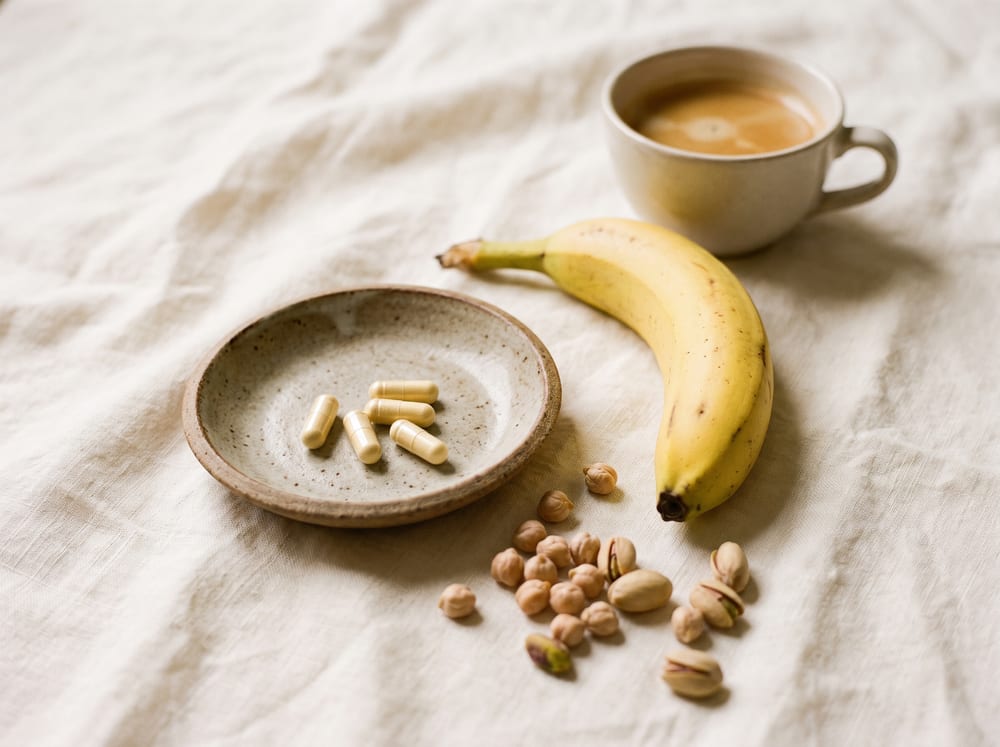
 Valerian Root
Valerian root brings valerenic acid and a cast of other constituents to the table, and together they're thought to modulate GABA-A receptor signaling while also touching adenosine and serotonin systems. The payoff is a mild anxiolytic and sedative effect that can ease you into sleep, without carrying a benzodiazepine's profile.
 Moderate evidence
 Vitamin B6 (Pyridoxine / P5P)
Vitamin B6, once it's active as pyridoxal-5-phosphate, works as a cofactor for building the neurotransmitters serotonin, dopamine, and GABA. It also plays a role in steroid-hormone metabolism. The theory for PMS: more cofactor on hand means smoother neurotransmitter and hormone synthesis, and that's the proposed reason it can take the edge off premenstrual mood swings and irritability.
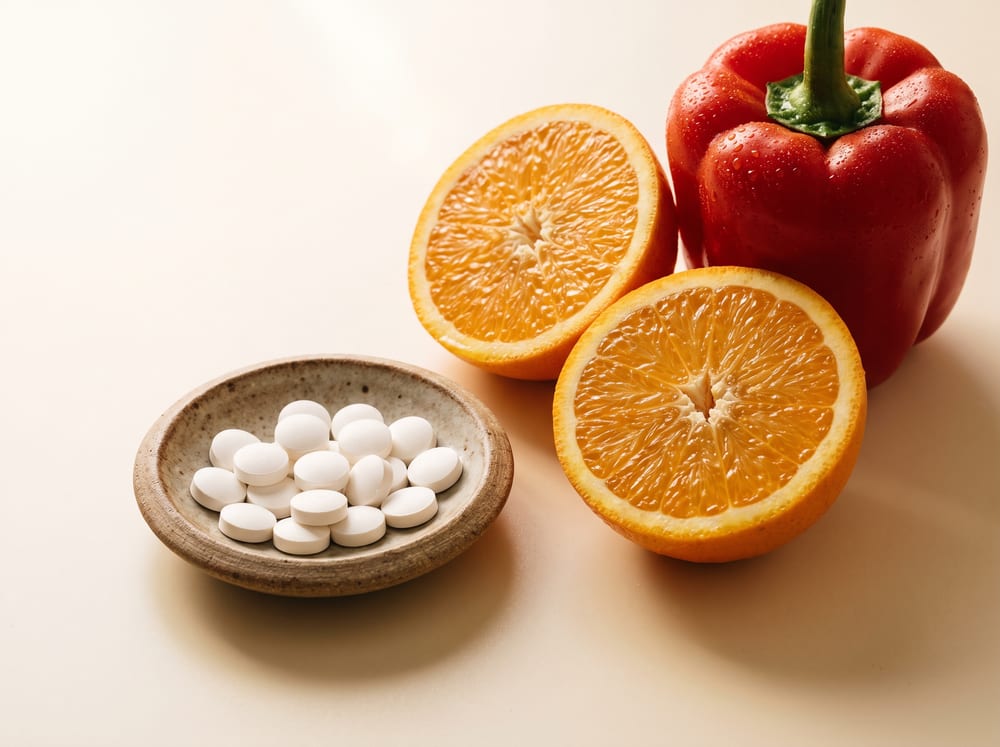 Mixed evidence
 Vitamin C (Ascorbic Acid)
Vitamin C is the cofactor your prolyl and lysyl hydroxylase enzymes need to stabilize and cross-link collagen. No vitamin C, no functional collagen synthesis, full stop. That's exactly why scurvy, vitamin C deficiency, shows up as fragile skin and wounds that won't heal. It's also a water-soluble antioxidant that regenerates vitamin E and buffers the oxidative stress your skin takes from UV and pollution. Unglamorous nutrient, non-negotiable job.
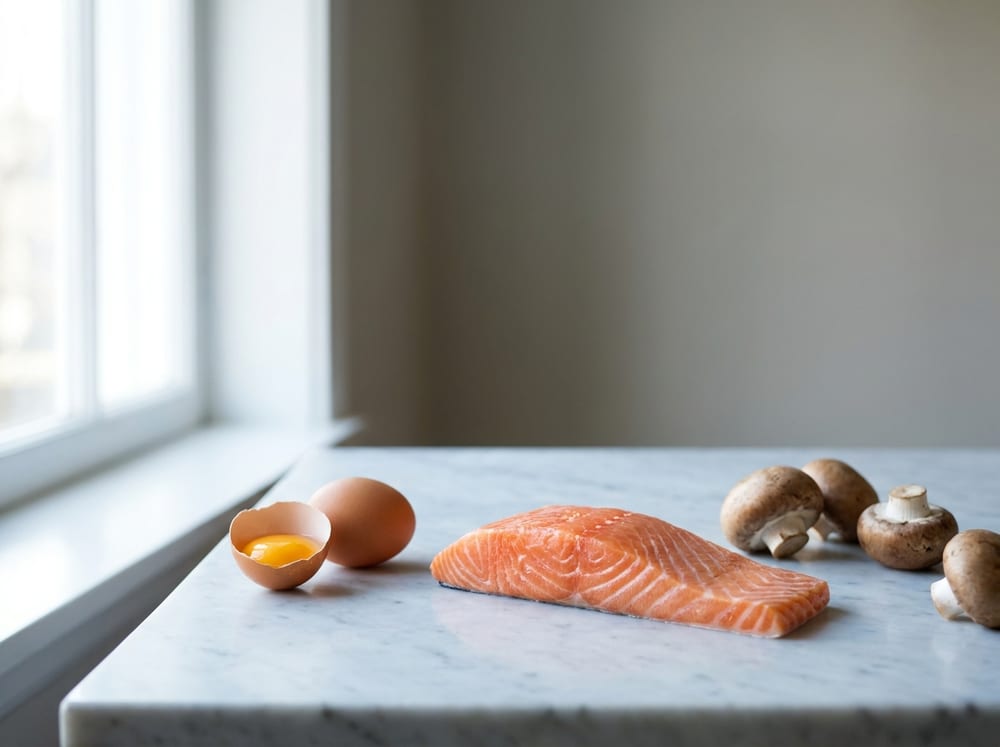 Mixed evidence
 Vitamin D3 (Cholecalciferol)
Cholecalciferol doesn't work as-is. It has to get converted twice: first to 25-hydroxyvitamin D, then to the active form, 1,25-dihydroxyvitamin D. That active form binds the nuclear vitamin D receptor and from there runs calcium and phosphate homeostasis, bone mineralization, and immune modulation. Fix a deficiency and you support musculoskeletal health directly. In older adults who were genuinely low, it can cut fall and fracture risk too.
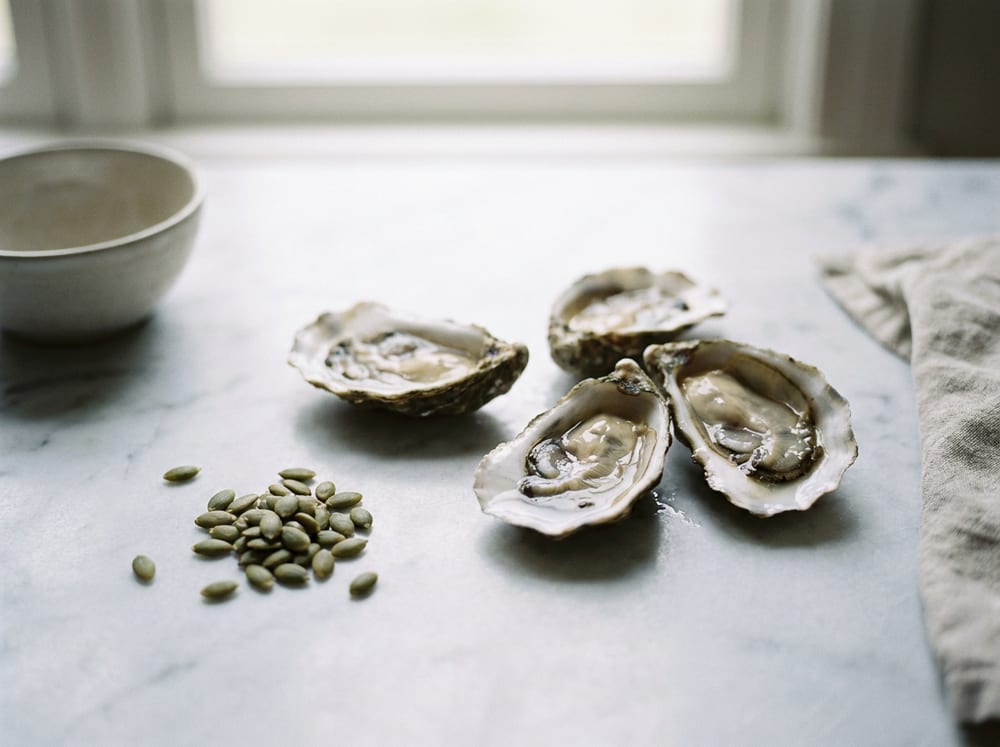 Moderate evidence
 Zinc
Zinc is an essential trace mineral, and your reproductive axis cannot run without it: testosterone biosynthesis, luteinizing-hormone signaling, sperm production, plus hundreds of enzymes that depend on it to function at all. Run low on zinc and serum testosterone drops. Spermatogenesis takes a hit too. Fix the deficiency and those functions come back online. Small mineral, load-bearing job.
Nothing matches all of those.