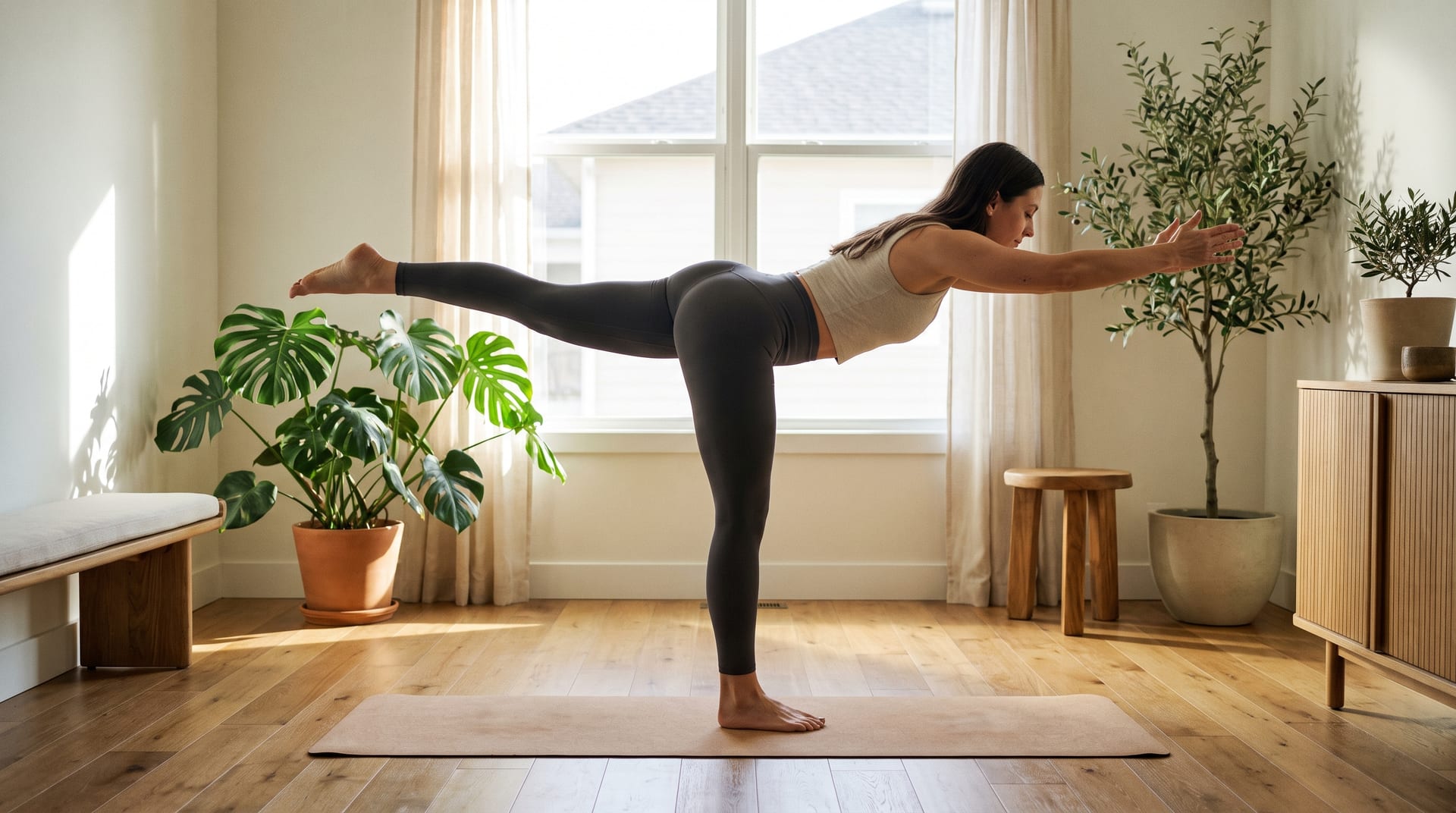
Move on your own floor.
Movement for your own floor, in your own time, tuned for how you want to feel rather than how you want to look. Search by body part or by name, or narrow by type, level, goal, and whether you need anything at all.
89 exercises

An Easy Walk for Period Symptom Relief
beginnerA light, talk-while-you-walk pace, twenty to thirty minutes, for the day cramping or period fatigue makes anything harder feel like a personal attack, but sitting still doesn't help either.
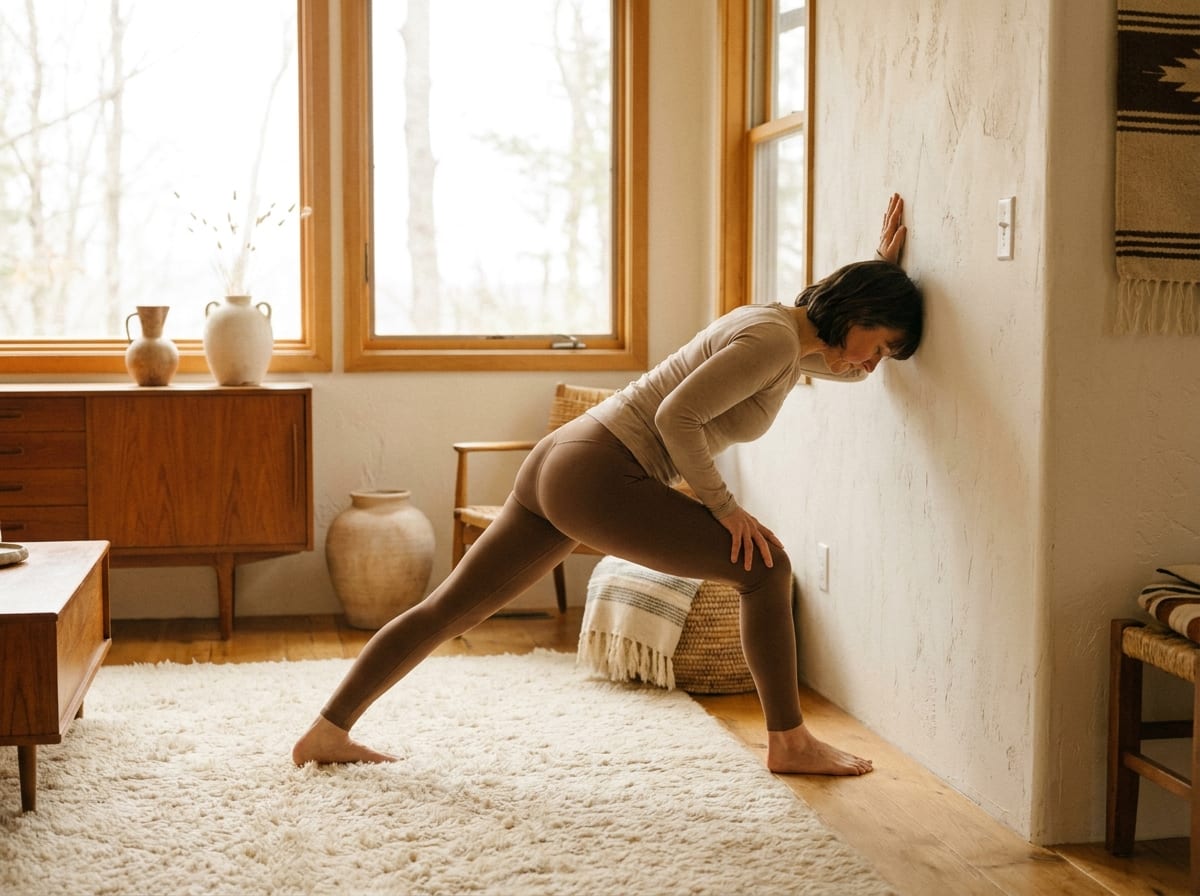
Ankle Dorsiflexion Wall Drill
beginnerDrive your knee forward over your toes toward a wall, heel glued to the floor. Sounds small. It's one of the most testable, most limiting ranges in your entire body.
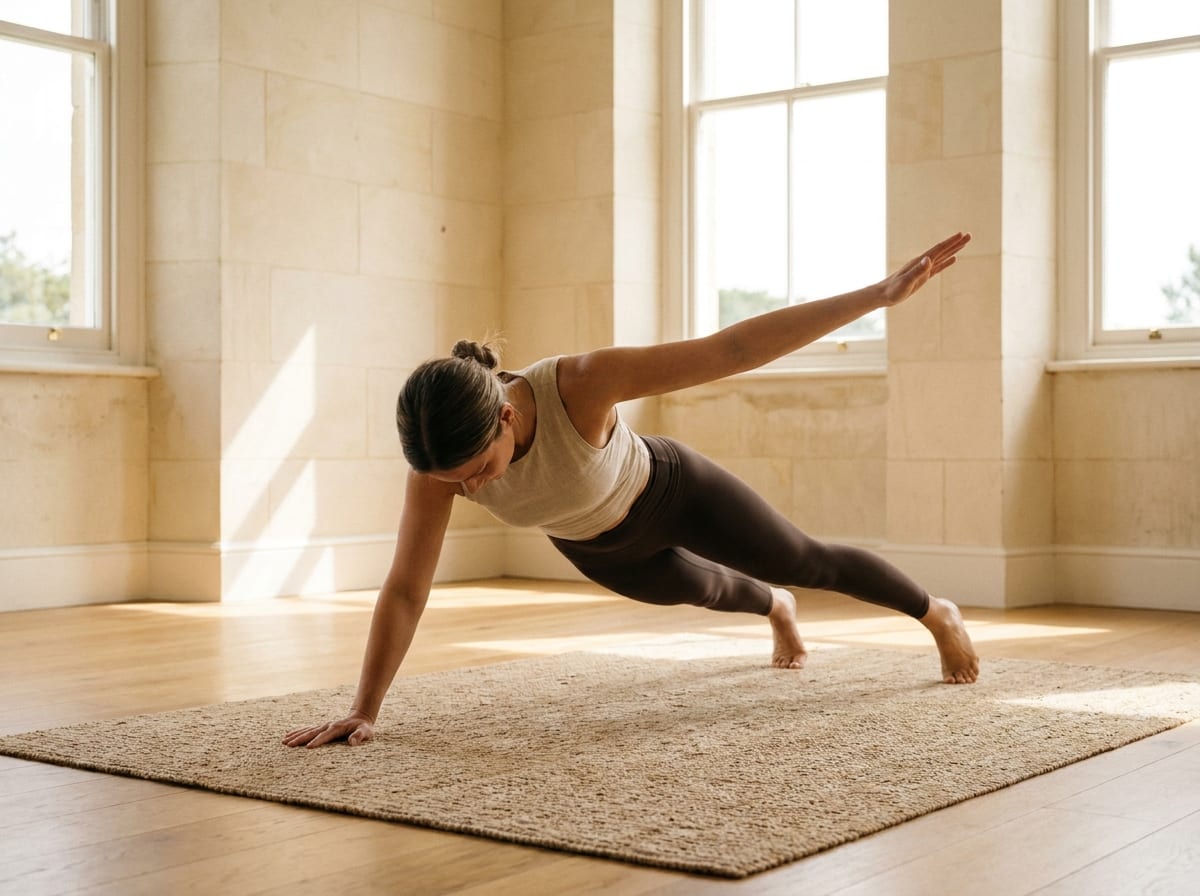
Archer Push-Up
advancedA push-up that plays favorites: wide stance, drop toward one hand while the other arm straightens out, and dump nearly your whole bodyweight onto a single side.
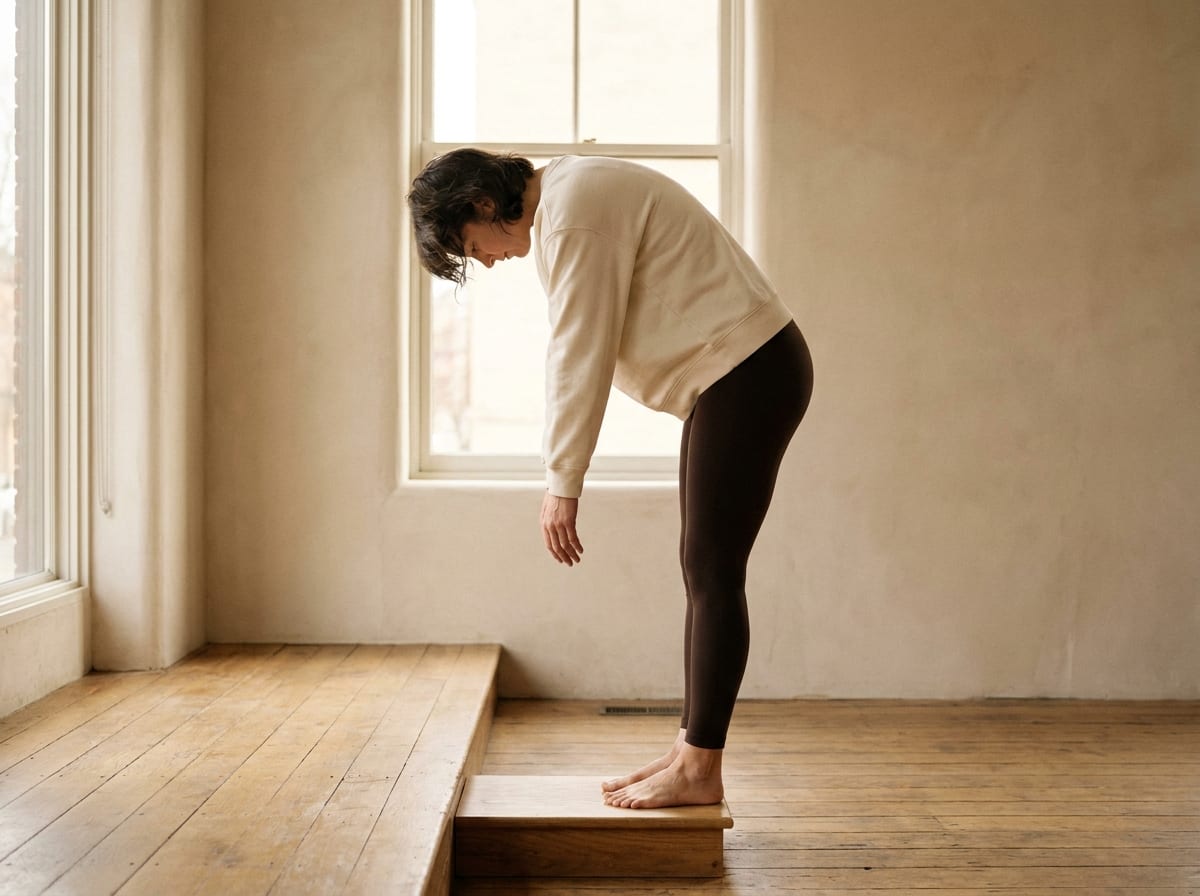
Bodyweight Jefferson Curl
advancedA slow, deliberately segmented roll down through your spine from a raised step, one vertebra at a time, then back up the exact same way.
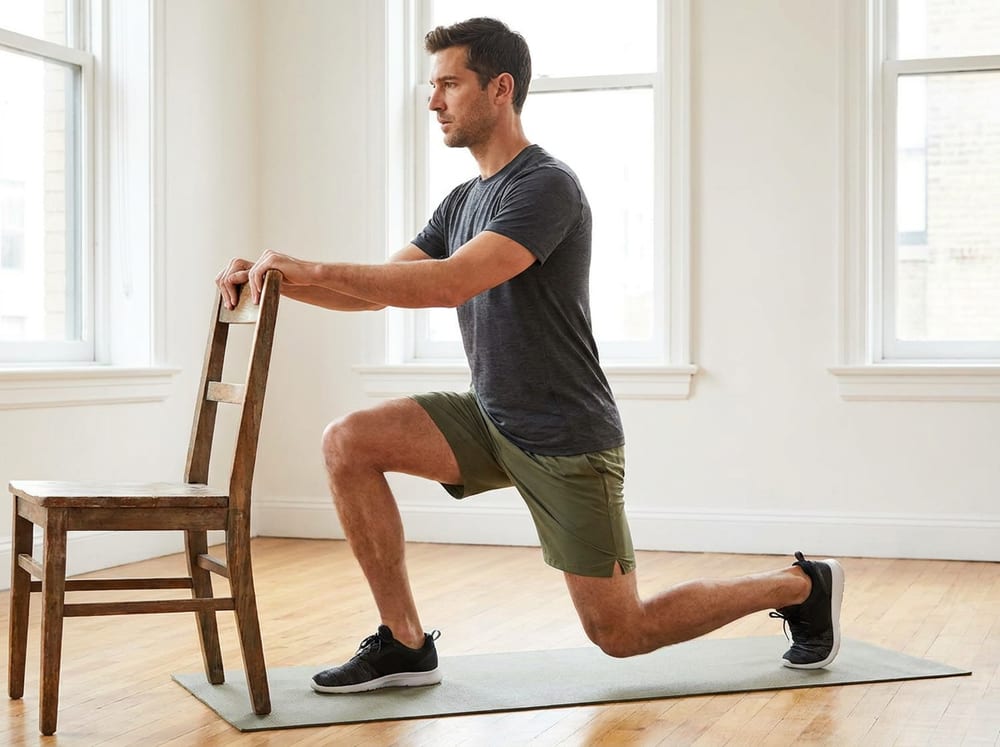
Bodyweight Split Squat
intermediateA single-leg-emphasis strength move that builds unilateral leg strength and hip stability, using a chair or wall for a light touch of balance support while the working leg does the work.
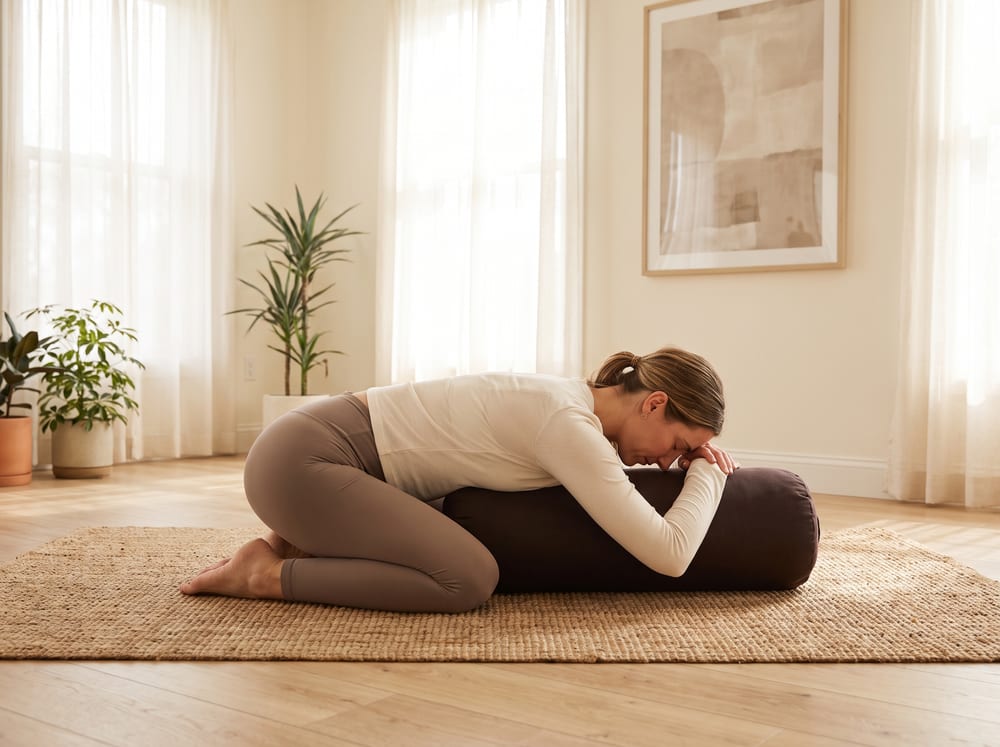
Bolster-Supported Child's Pose for Cramp Relief
beginnerA wide-kneed fold over a bolster or a stack of cushions so your belly and chest get fully supported, hips settle back, and your low back finally gets to lengthen out instead of guarding. You do nothing. The posture holds itself for several minutes while your body handles a rough day.
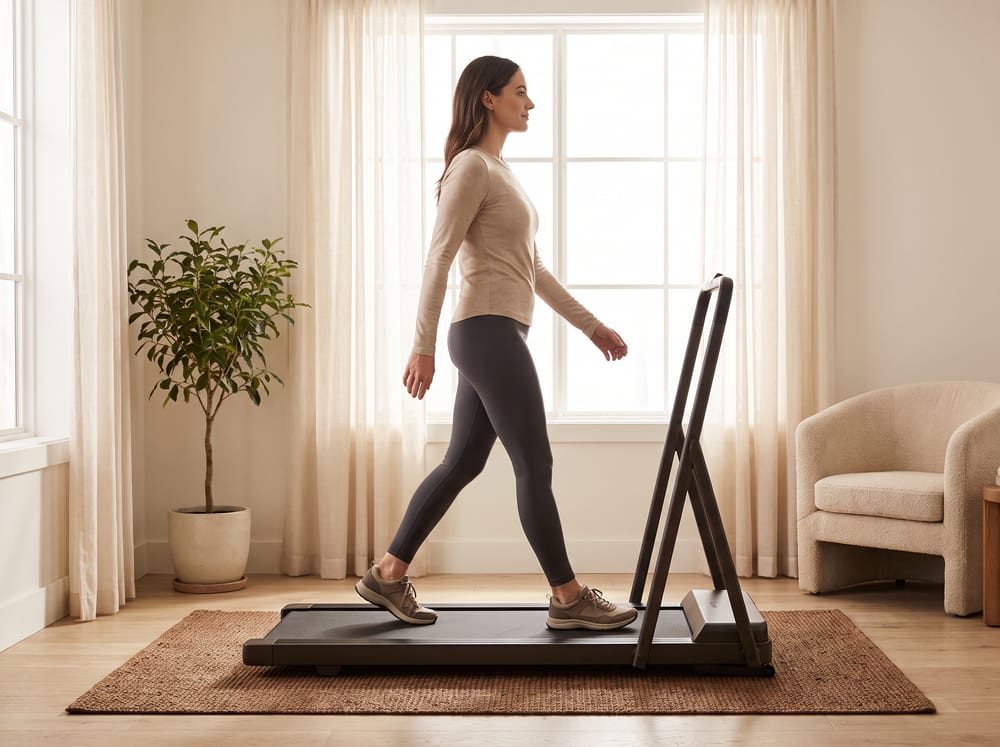
Brisk Walking Interval Protocol
beginnerA structured walk, indoors or out, that swaps an easy conversational pace for short brisk pushes and back again, building whole-body circulation, steady fitness, and healthier body composition. Intensity stays moderate on purpose.
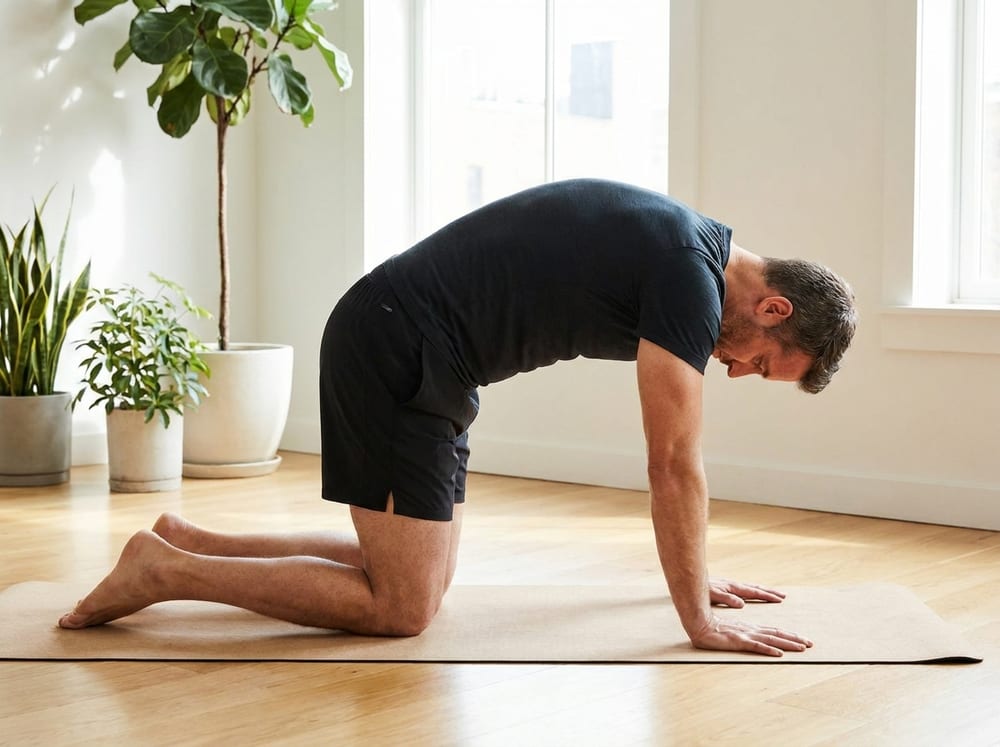
Cat-Cow Spinal Flow
beginnerA slow, breath-paced wave of flexion and extension through your whole spine, on hands and knees, one vertebra moving at a time.
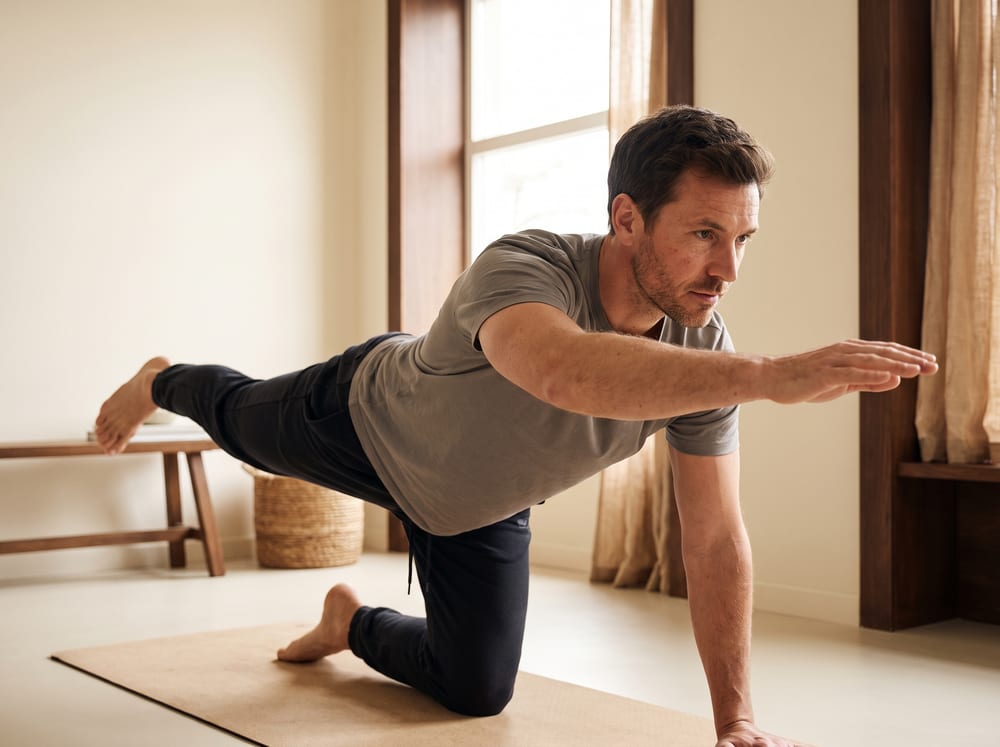
Cat-Cow to Bird-Dog Pelvic Mobility Flow
beginnerA gentle hands-and-knees flow: cat-cow to mobilize the spine and pelvis, then slow bird-dog reaches that lightly wake up your deep core and glutes. The whole point is blood flow and control, at an intensity that never asks you to work for it.
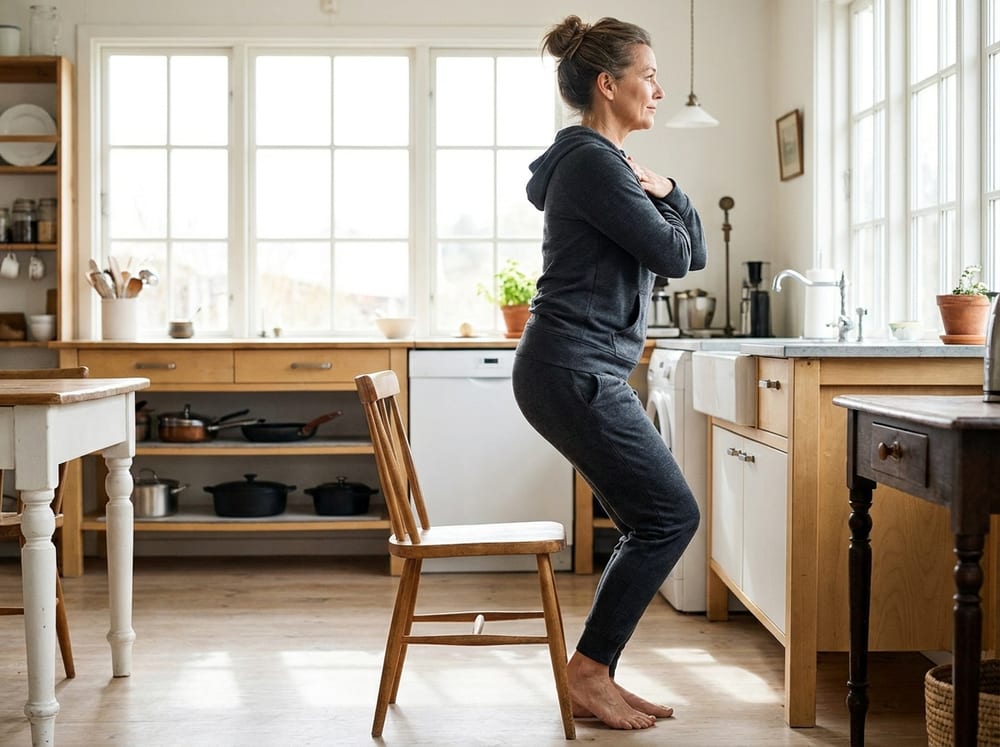
Chair Sit-to-Stand
beginnerA foundational lower-body drill using a sturdy chair to build the leg power to stand up out of a seat, a car, or off the floor, without your hands doing the work for you.
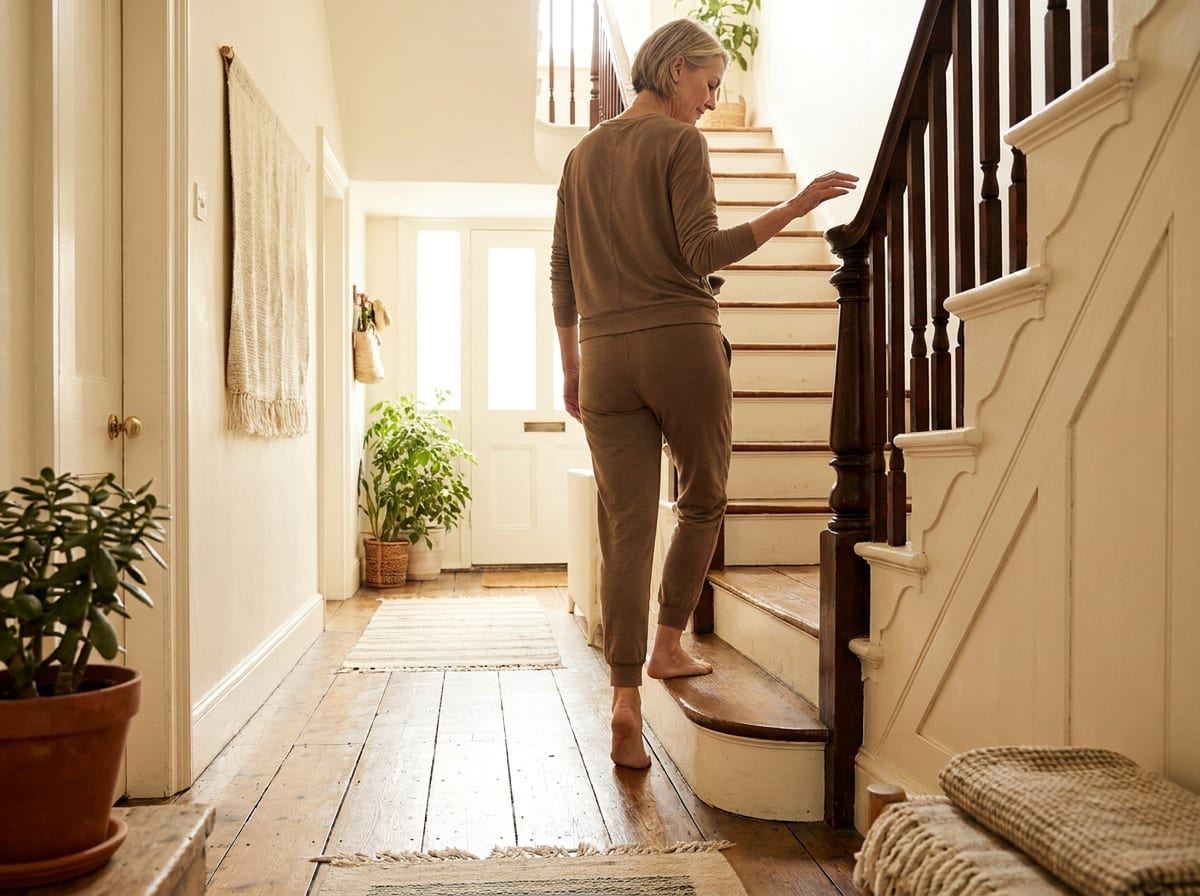
Controlled Step-Down
intermediateStand on a step, lower one heel slowly toward the floor without letting it take any weight, then come back up. That's it. That's the whole drill.
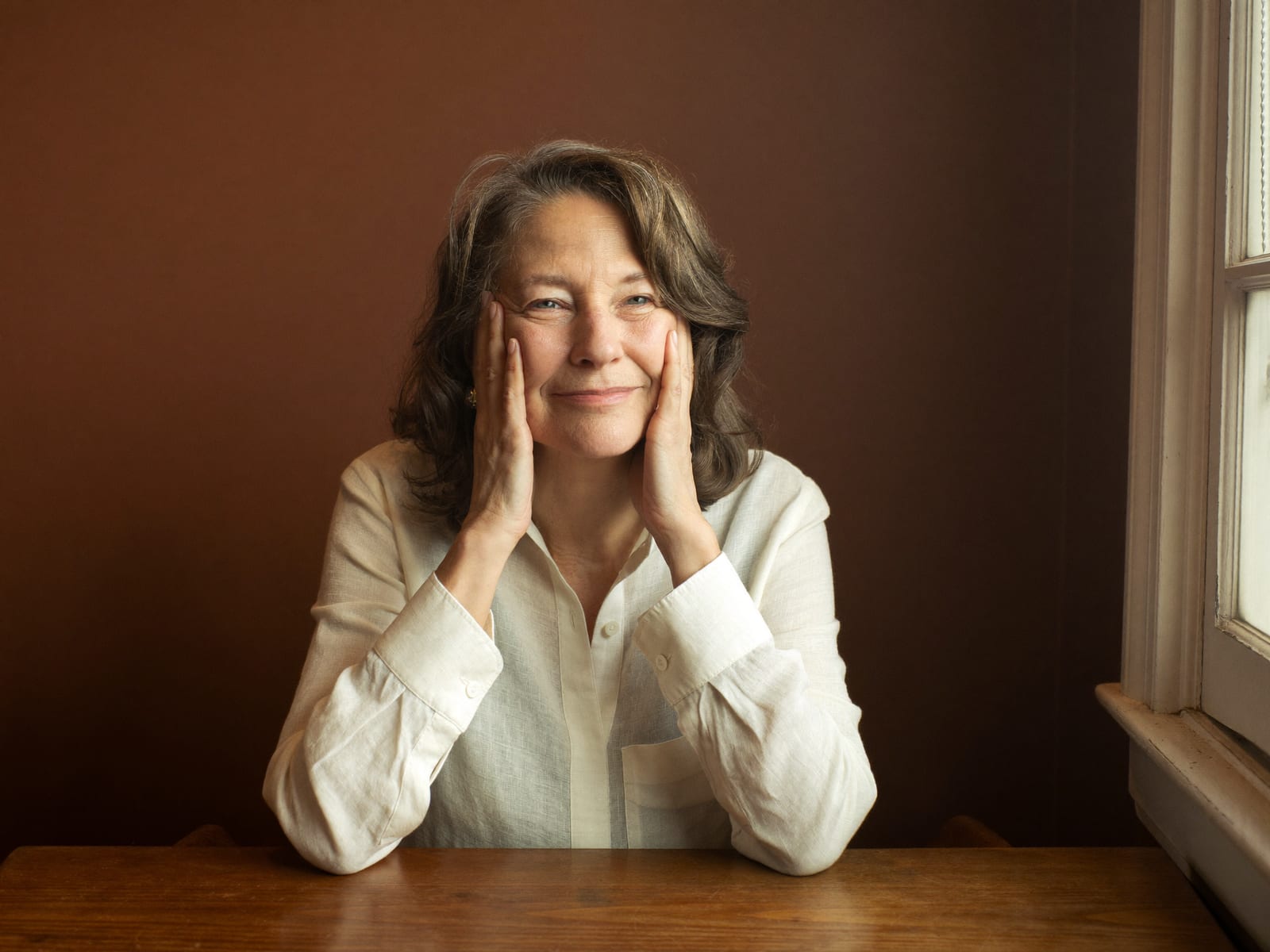
Daily Facial Muscle Sequence
beginnerA short daily set of resisted contractions for your cheeks, brow, and the front of your neck, done in front of a mirror with nothing but your own fingertips providing the resistance.
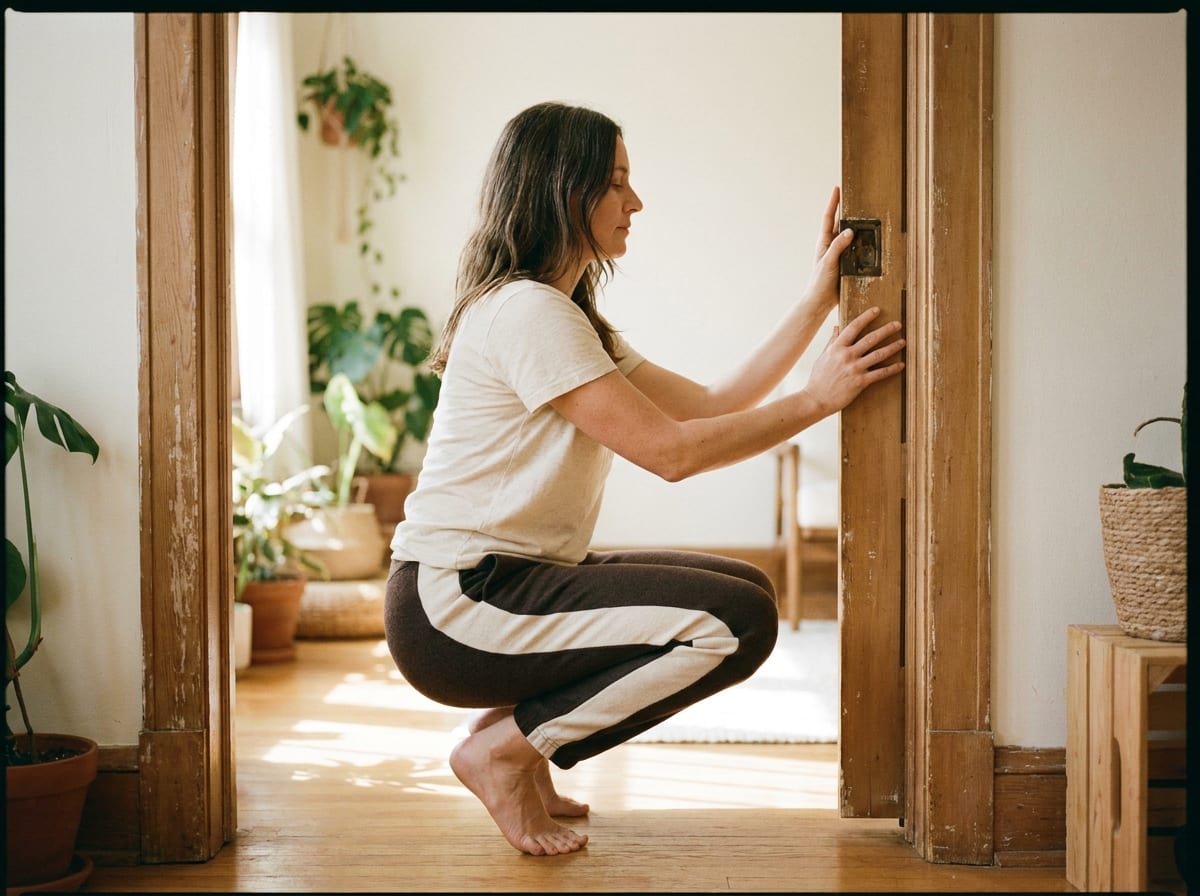
Deep Squat Hold Progression
intermediateSink to the bottom of a squat and just stay there, a minute or more. Most adults lost this position somewhere along the way. You can get it back.
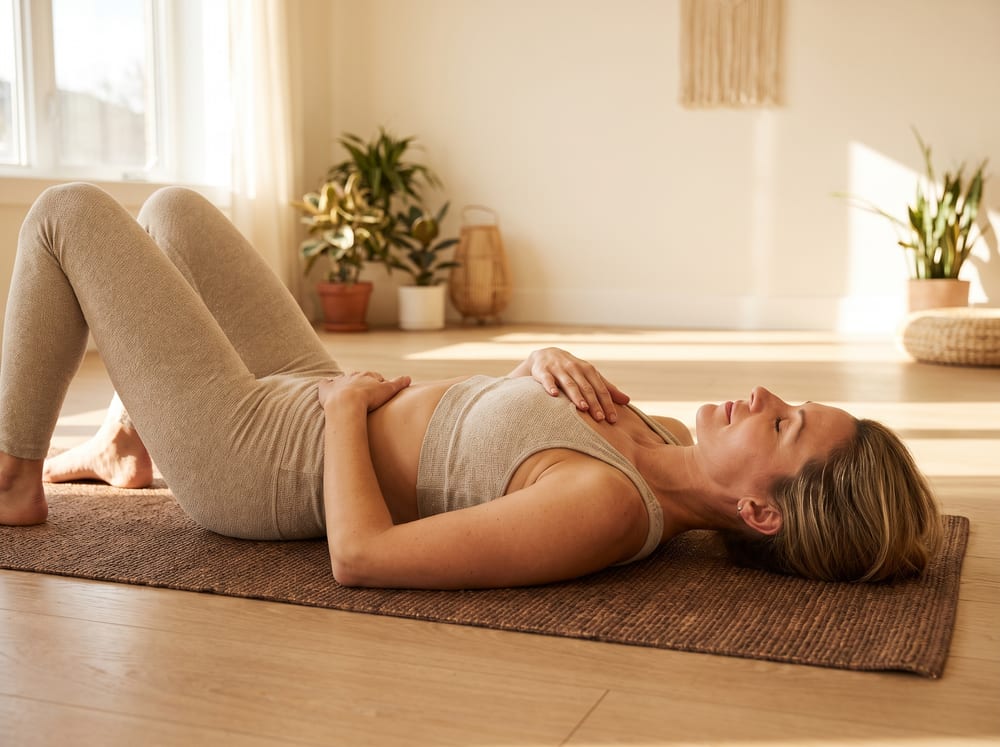
Diaphragmatic Belly Breathing with Wind-Relieving Hug
beginnerA calming, flat-on-your-back sequence: slow, deep belly breathing first, to move the diaphragm through your abdomen, then a knees-to-chest hug that gently compresses the gut and helps trapped gas go find an exit.
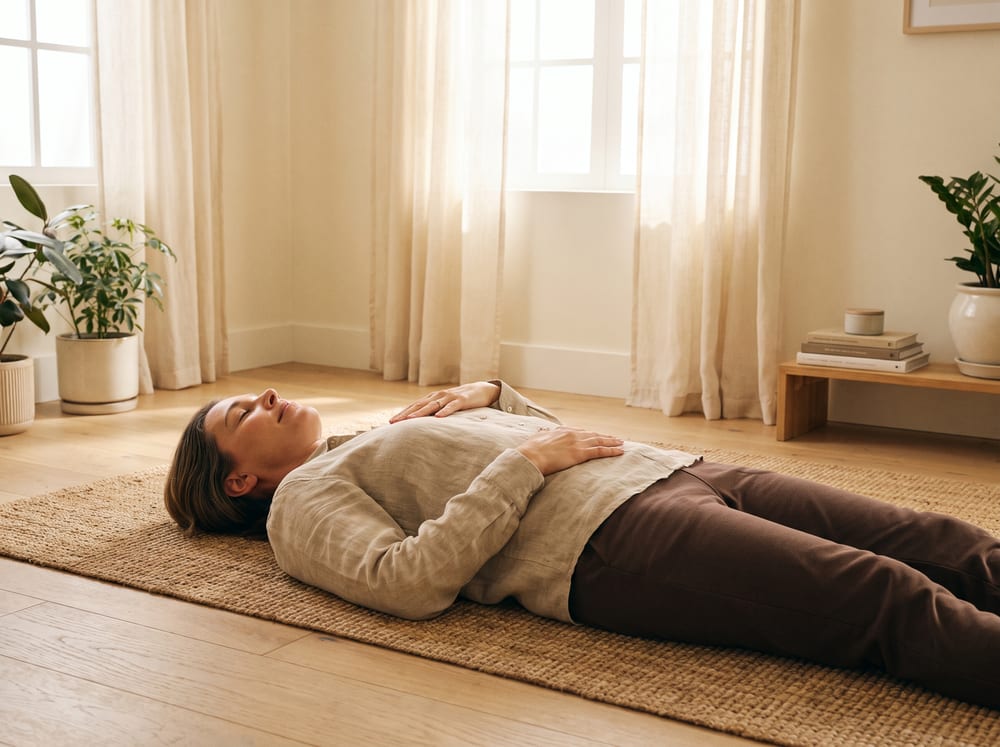
Diaphragmatic Belly Breathing with Wind-Relieving Hug
beginnerA calming, flat-on-your-back sequence: slow, deep belly breathing first, to move the diaphragm through your abdomen, then a knees-to-chest hug that gently compresses the gut and helps trapped gas go find an exit.
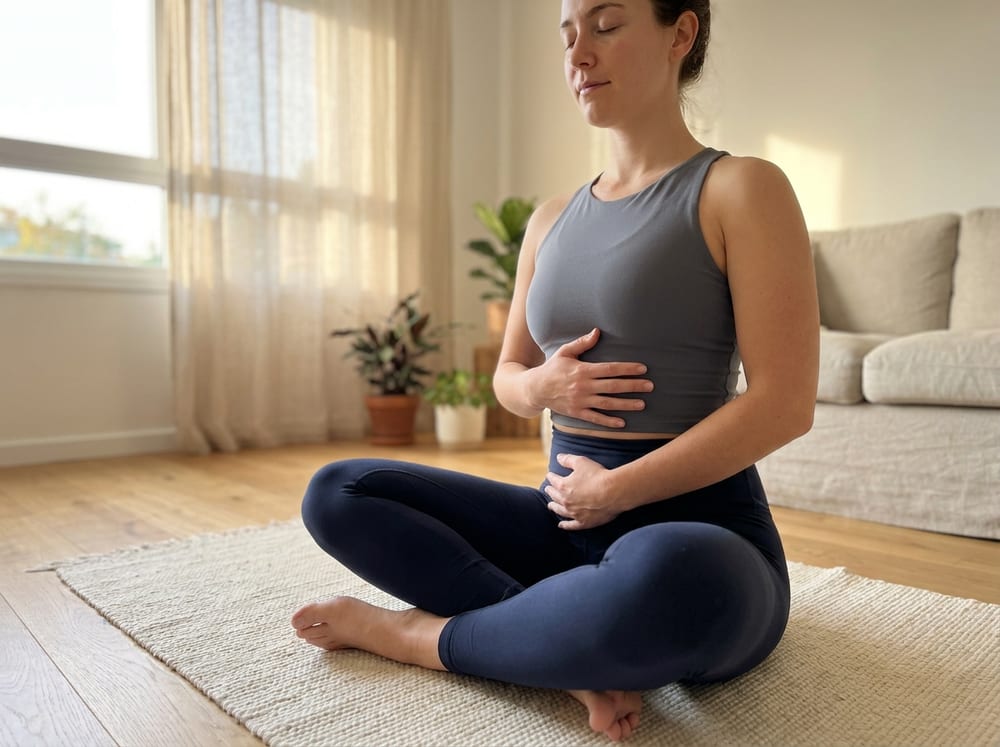
Diaphragmatic Pelvic-Floor Coordination Drill
intermediateA focused breath-and-lift practice that gets your diaphragm and pelvic floor working in sync again, training fast, strong contractions and full relaxation both, so the muscles respond on command instead of sitting chronically clenched or chronically weak.
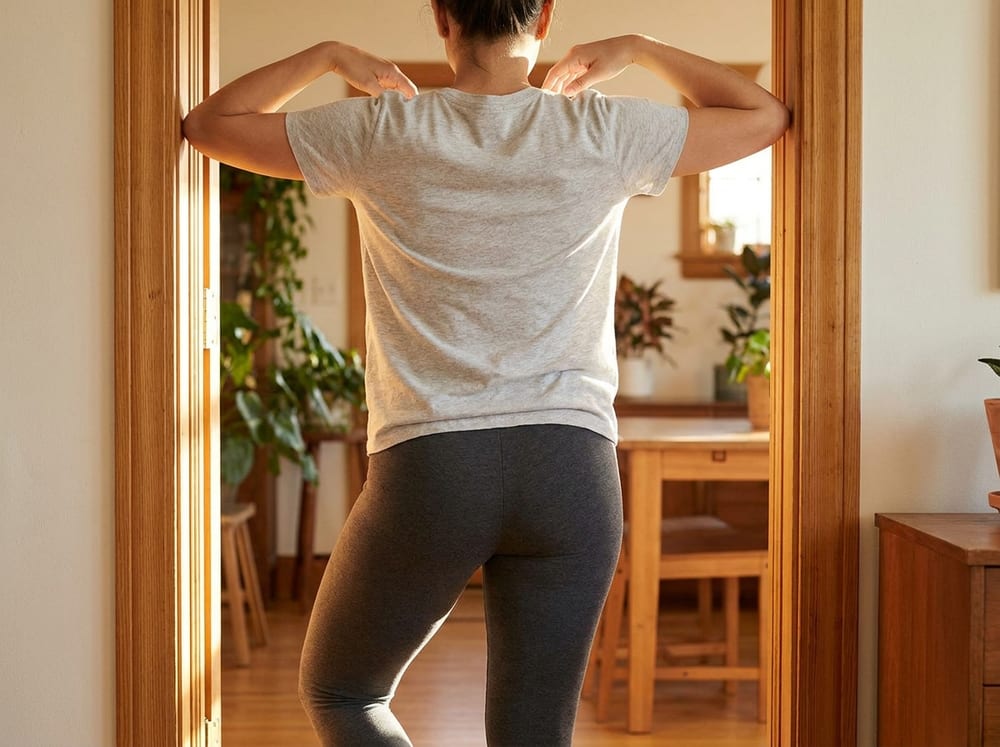
Doorway Chest and Shoulder Opener
beginnerA standing stretch using a doorway or wall corner to lengthen the chest and front-of-shoulder tissue that desk work and hours on your phone tighten up, actively reversing that rounded-shoulder slump.
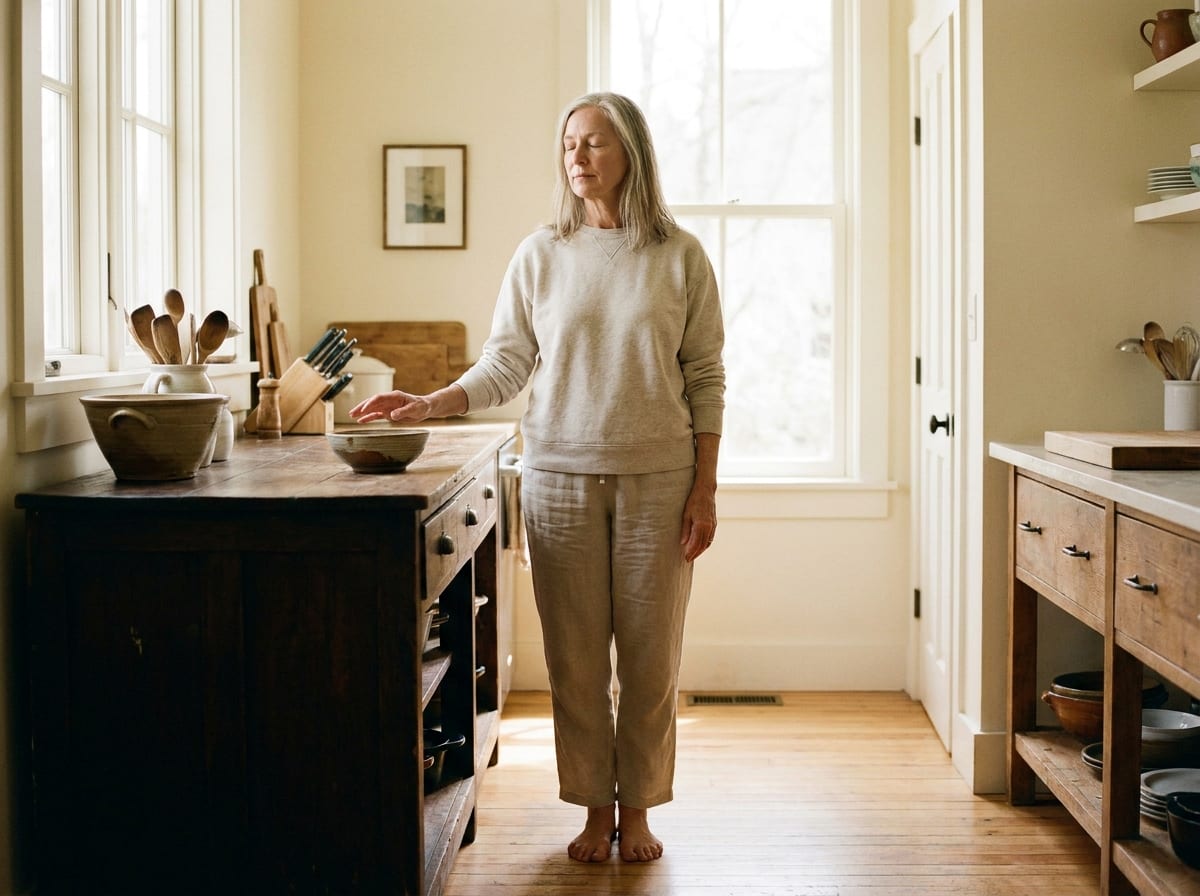
Eyes-Closed Balance Progression
intermediateA staged climb from standing feet-together with your eyes shut, all the way to balancing on one leg on a cushion. Every stage strips away one more thing your body was leaning on.
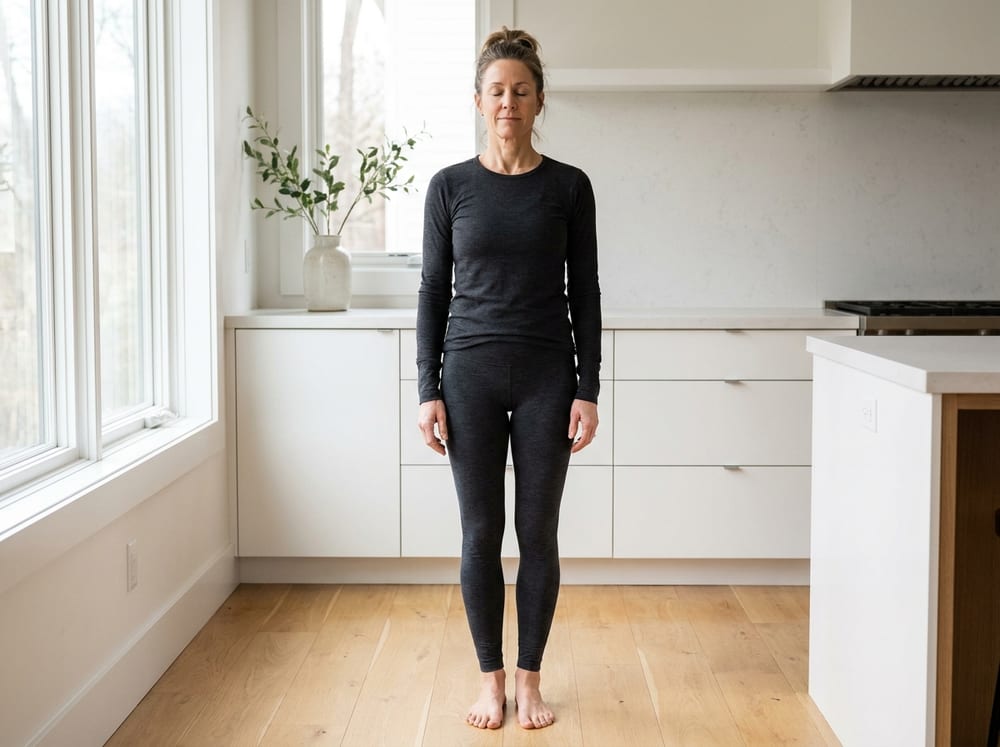
Feet-Together Stand with Eyes Closed
beginnerThe most basic balance test there is: stand with your feet touching, close your eyes, and make your body figure out how to stay upright without the one sense it usually leans on.
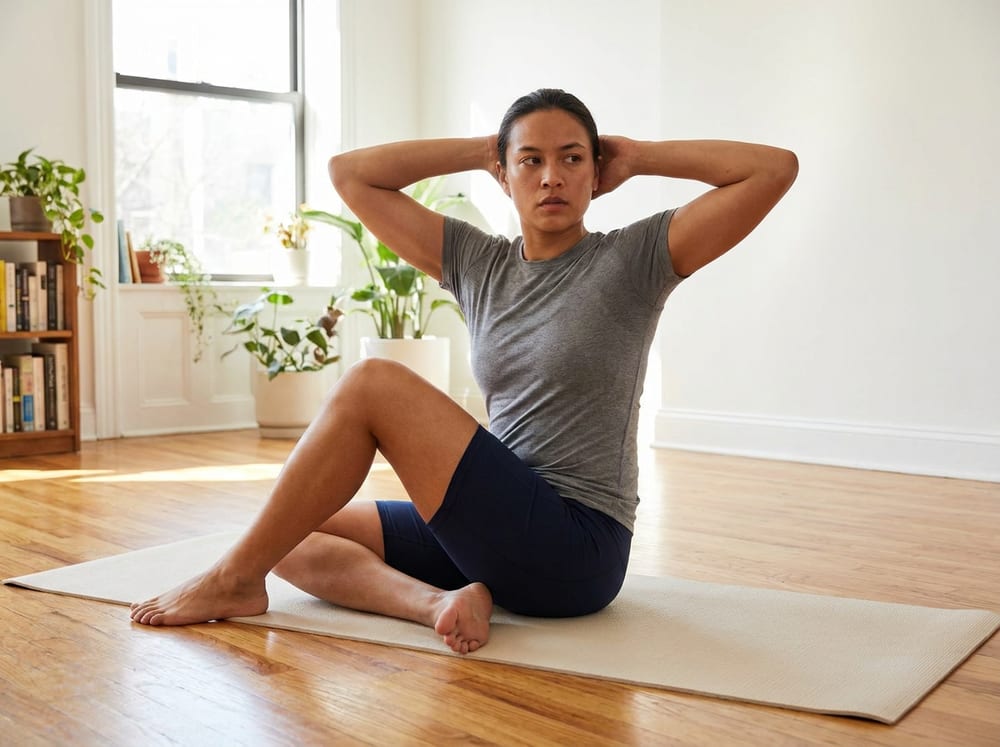
Floor-Seated Thoracic Rotation
intermediateA seated rotation drill that gets twisting range back into your mid-back, one of the first movements age quietly takes and one that stretching alone will not give back to you.
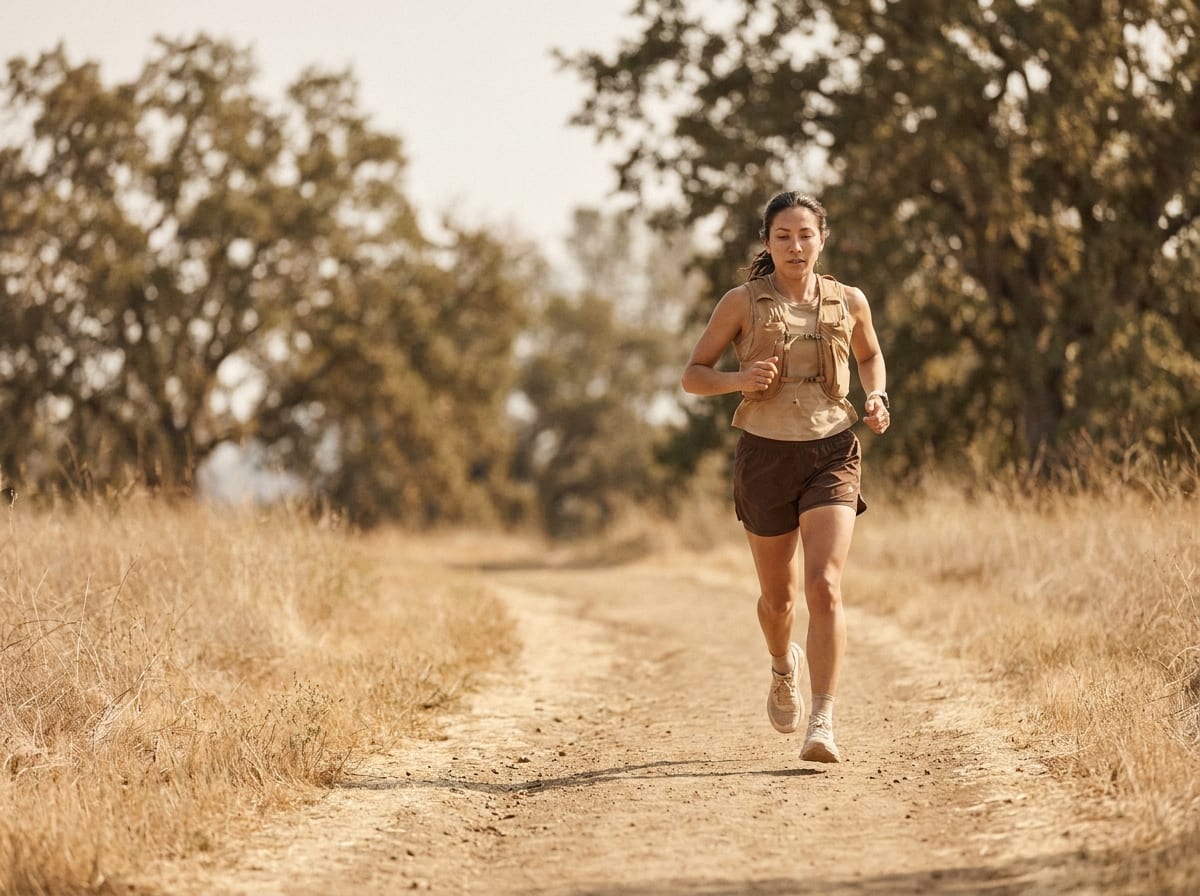
Four-by-Four Interval Session
advancedFour four-minute efforts at a hard-but-sustainable pace, three easy minutes between each. This exact protocol has more direct research behind it for raising VO2 max than anything else on this site.
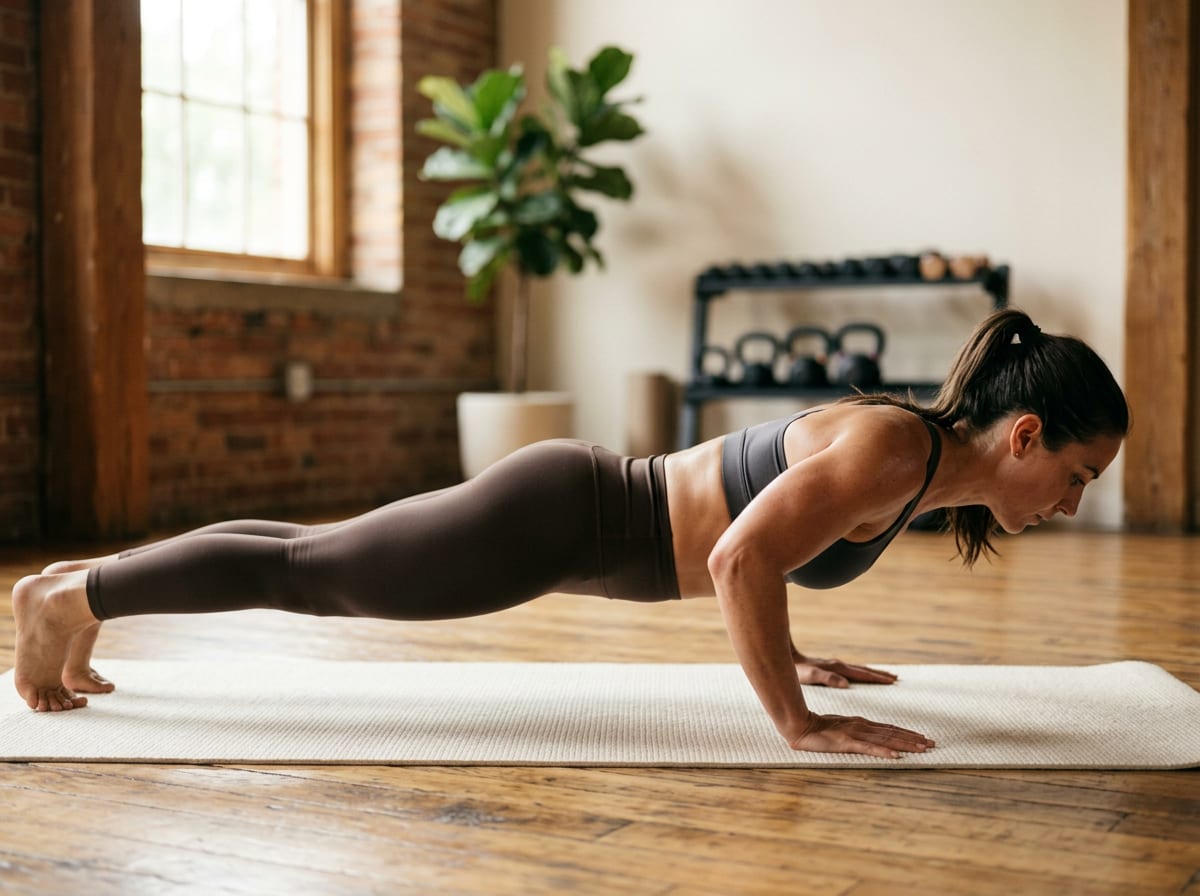
Full Push-Up
intermediateThe real deal, floor to ceiling: your whole body held as one rigid line, not folding at the hips, because that's cheating and everybody watching the video can tell.
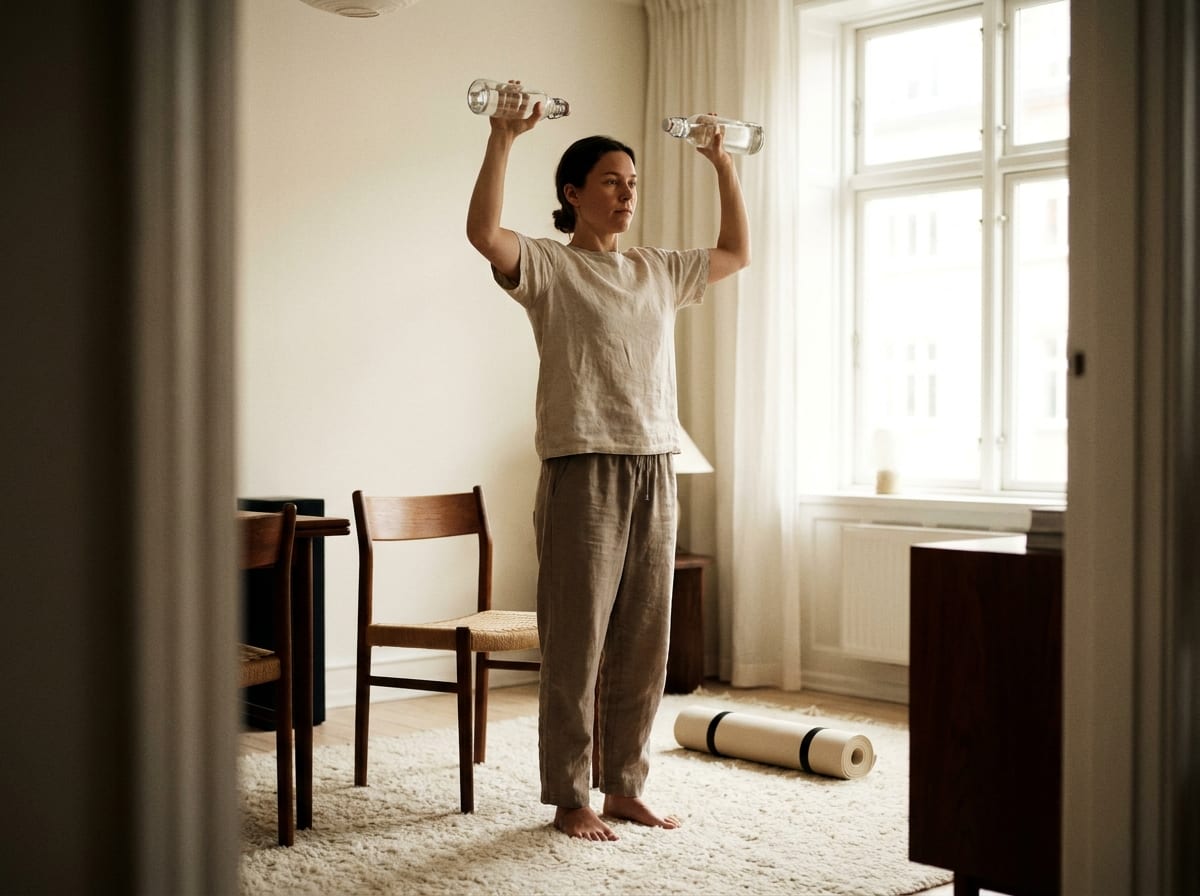
Full-Body Resistance Round
beginnerTen unglamorous bodyweight movements, run through twice, three days a week. The dose is the whole point: the trials that moved anyone's inflammatory markers were the long, boring, three-times-a-week ones.
Gentle Joint Mobility Flow
beginnerEight slow, unloaded circles and rockers through your main joints, built for the mornings when everything's stiff and your instinct is to move even less. That instinct is wrong.
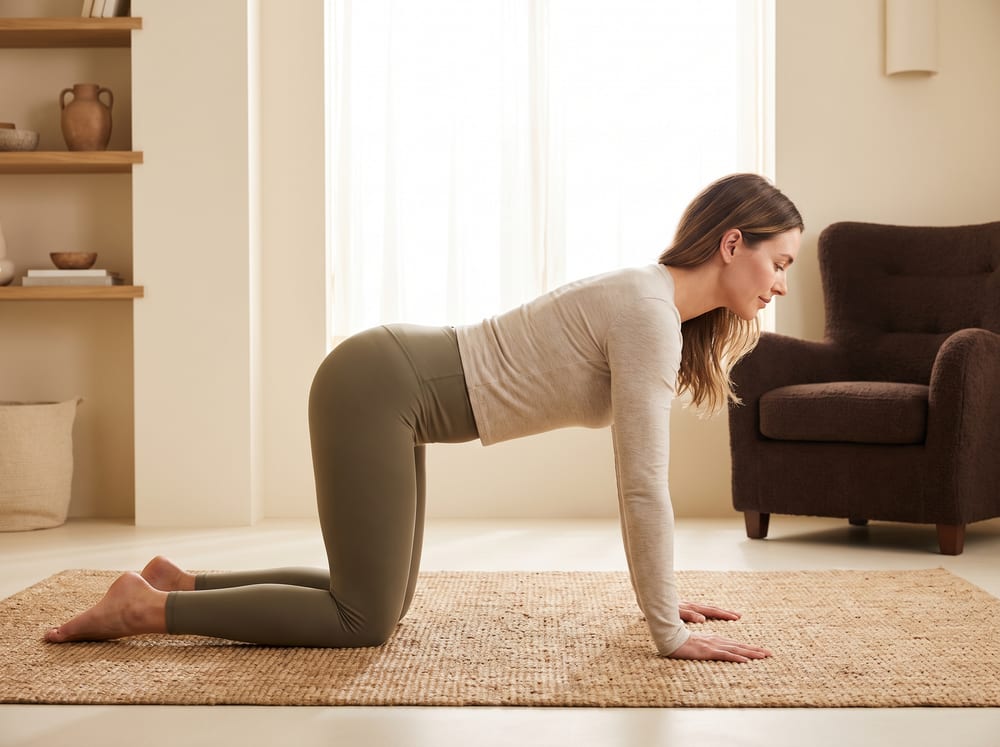
Gentle Pelvic Tilt and Cat-Cow Rocking
beginnerA slow, small-range rock of your pelvis and spine on hands and knees, rounding and arching in rhythm with your breath, kept deliberately easy so your low back and pelvis get to move without asking anything extra of you on a day your uterus is already asking plenty.
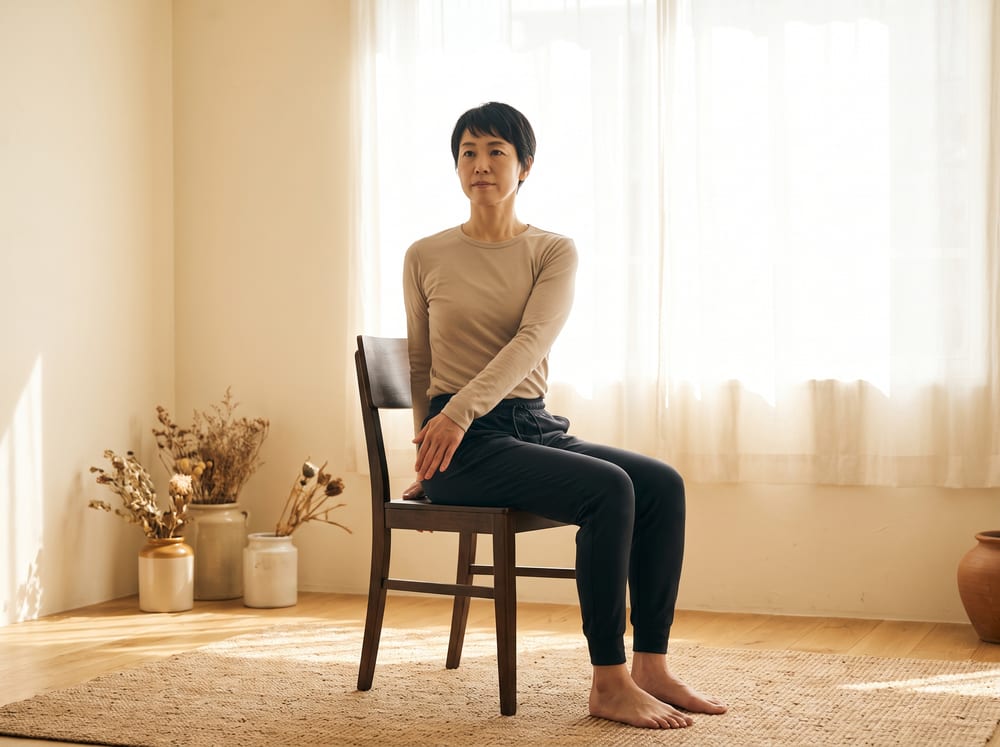
Gentle Seated and Supine Spinal Twists
beginnerA pair of slow, breath-led rotations, one upright in a chair, one flat on your back, that gently turn the trunk to mobilize your abdomen and lower spine and coax your gut into calming down.
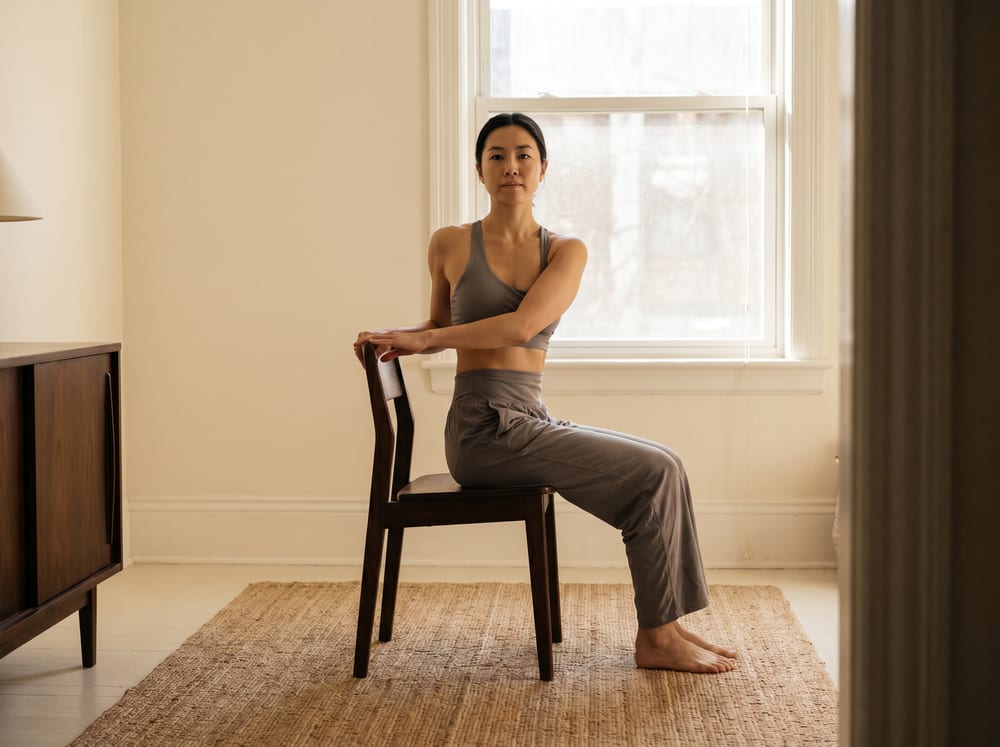
Gentle Seated and Supine Spinal Twists
beginnerA pair of slow, breath-led rotations, one upright in a chair, one flat on your back, that gently turn the trunk to mobilize your abdomen and lower spine and coax your gut into calming down.
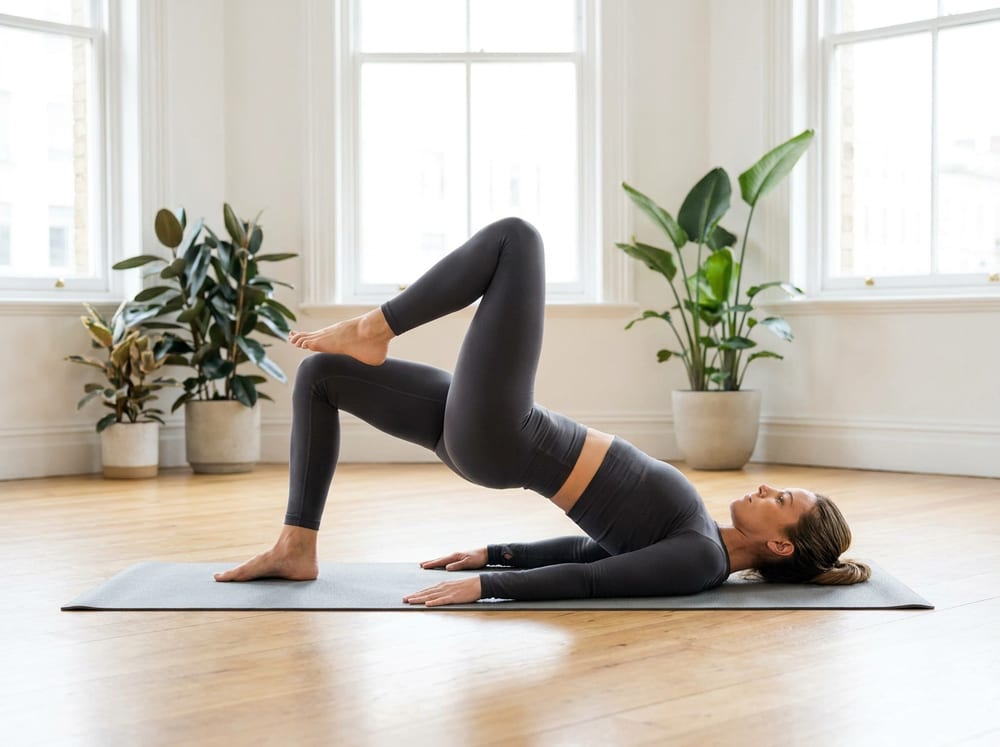
Glute Bridge with March
intermediateA floor-based move that builds your glutes and hamstrings while quietly teaching your deep trunk muscles to resist rotation, the exact hip strength that keeps your low back out of trouble.
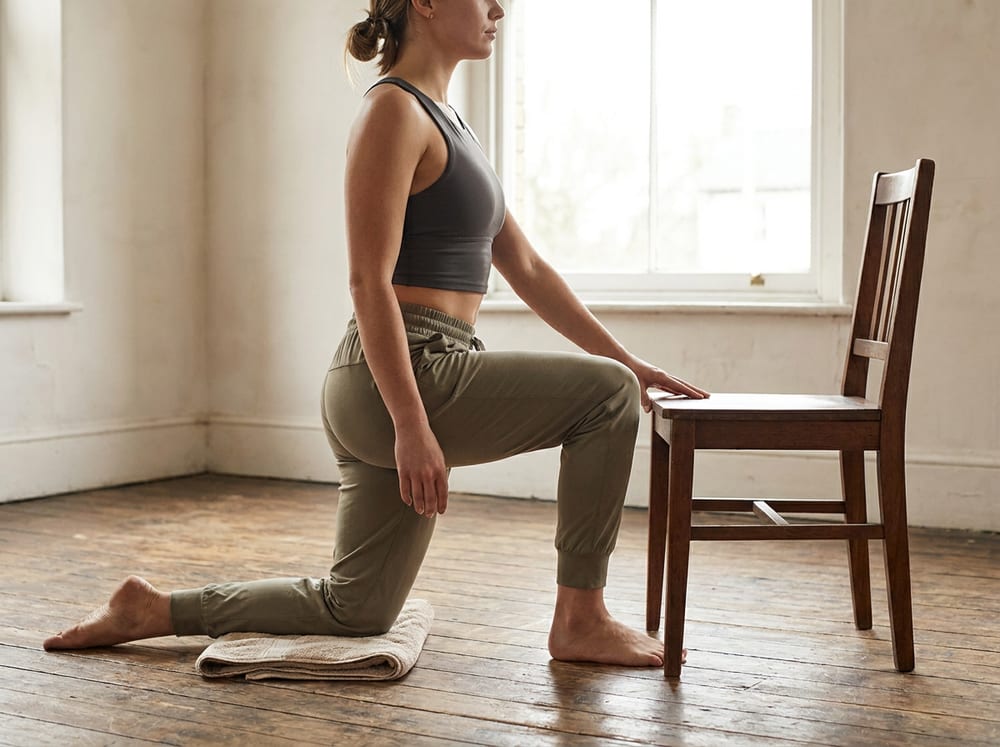
Half-Kneeling Hip Flexor Stretch
intermediateA kneeling lunge with your back foot kicked up against a wall or chair, reaching your hip flexors at a length a regular lunge never gets close to.
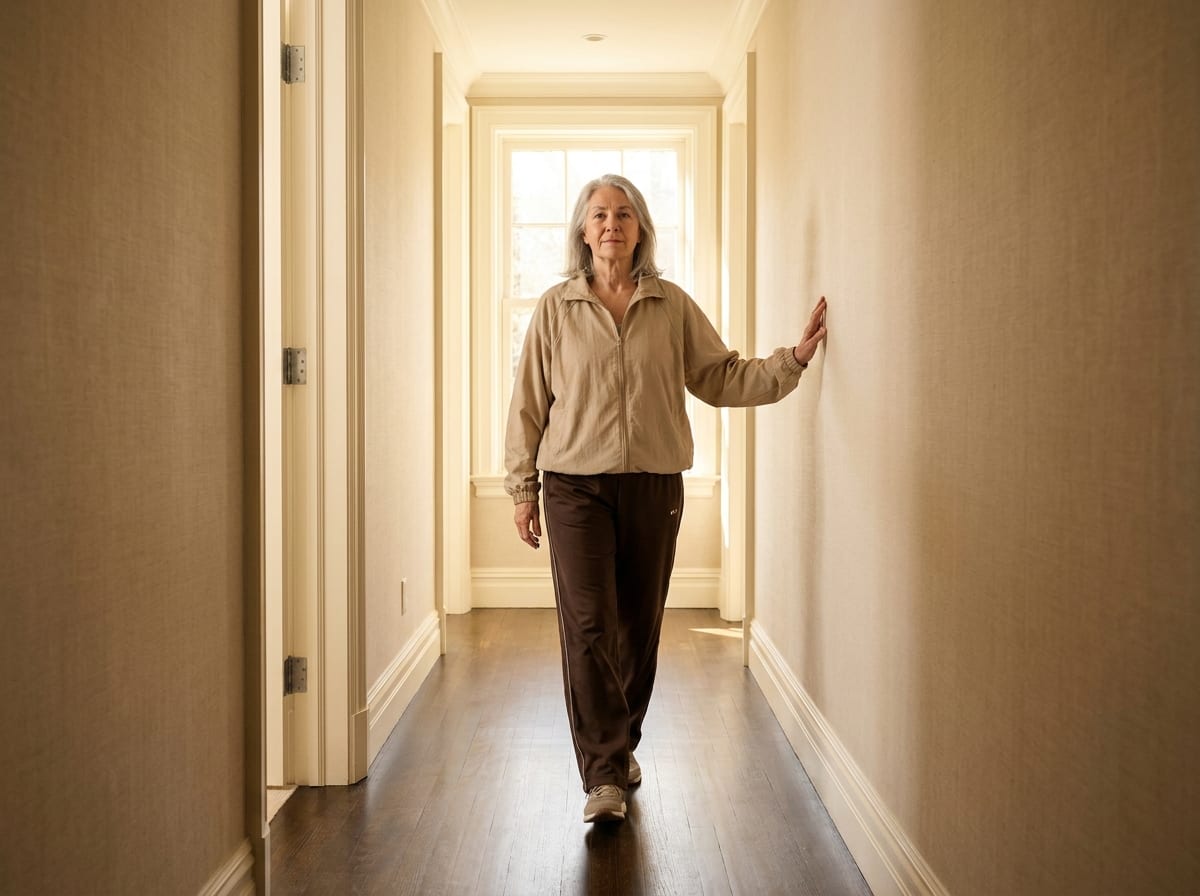
Heel-to-Toe Tandem Walk
beginnerWalk a straight line, each heel landing directly against the toes of the other foot, narrowing your base of support down to almost nothing.
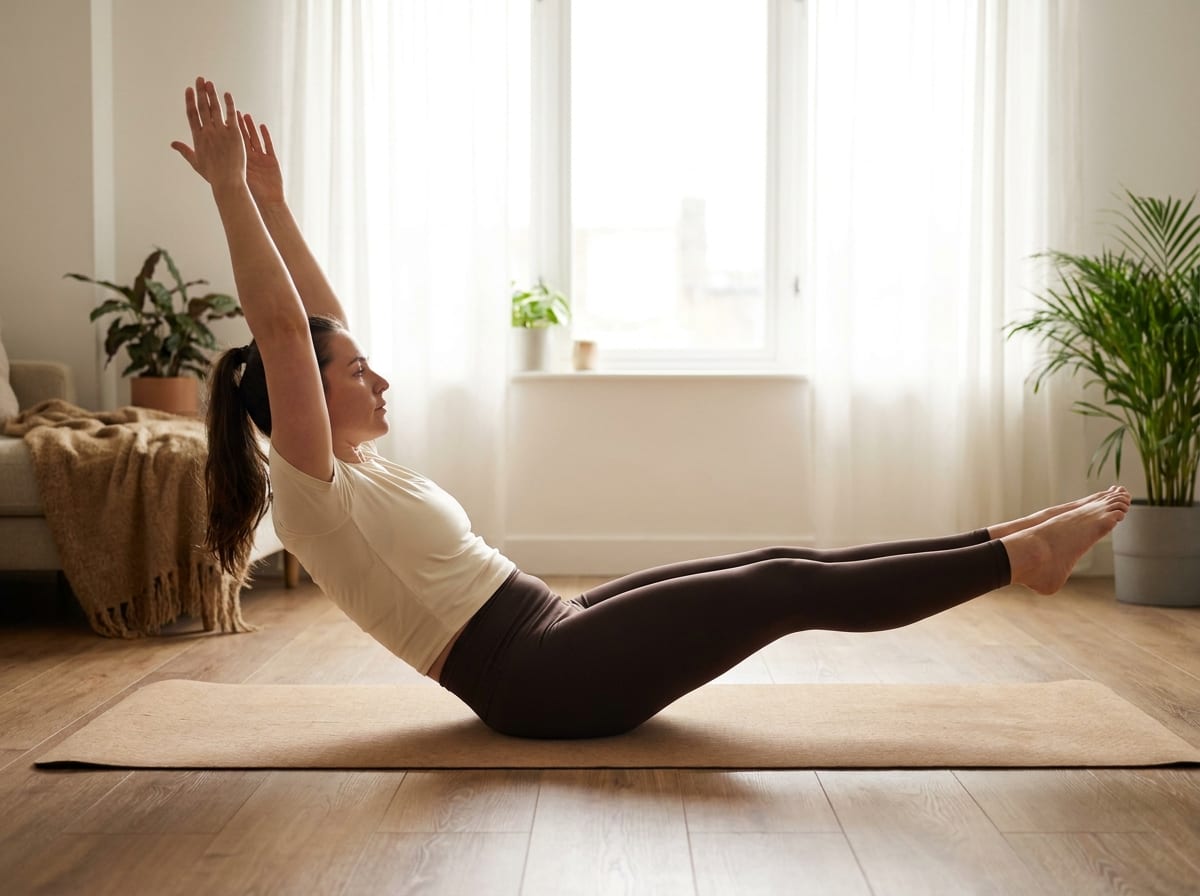
Hollow Body Hold
intermediateA held position on your back, arms and legs stretched long and low back pressed flat into the floor: training your abs to resist extension instead of crunching through it.
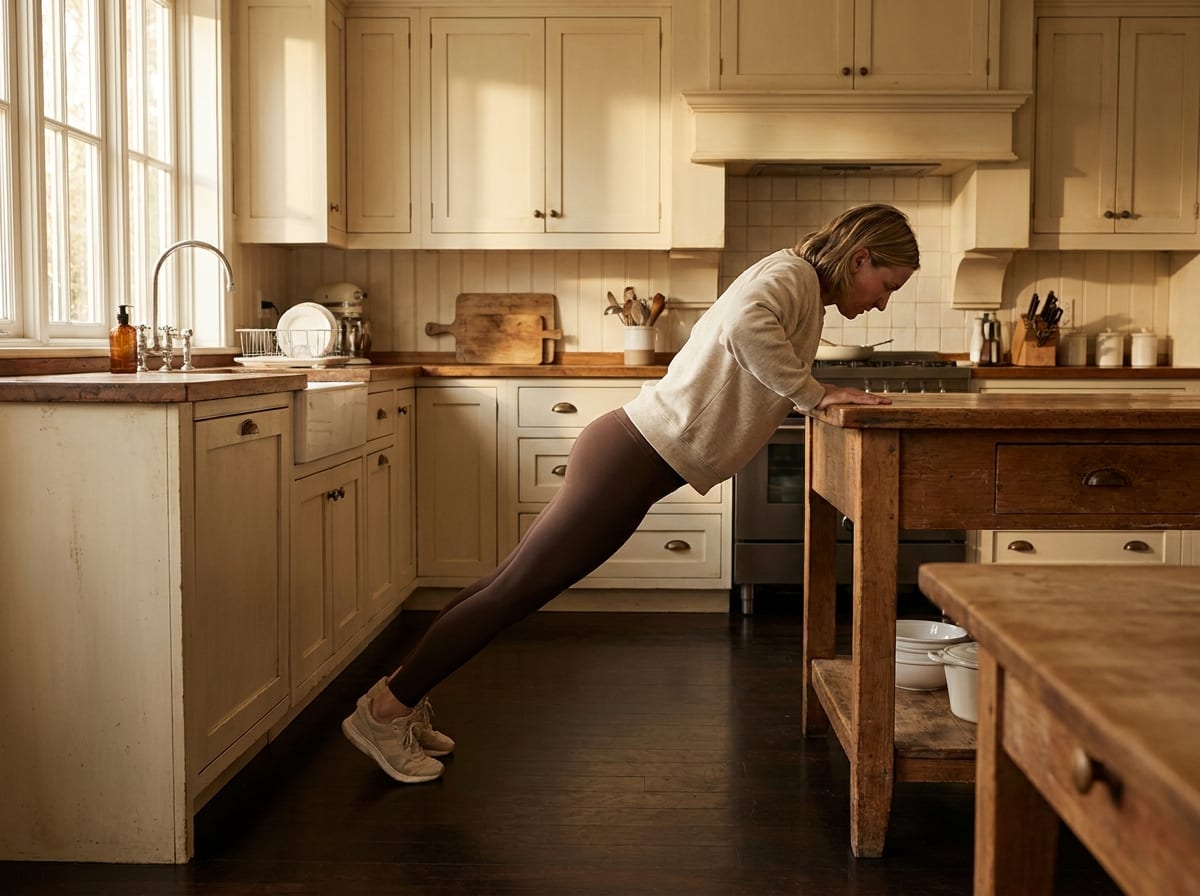
Incline Push-Up
beginnerA push-up with your hands up on a counter or table, dialing off exactly as much load as you need while training the identical movement you'll eventually do on the floor.
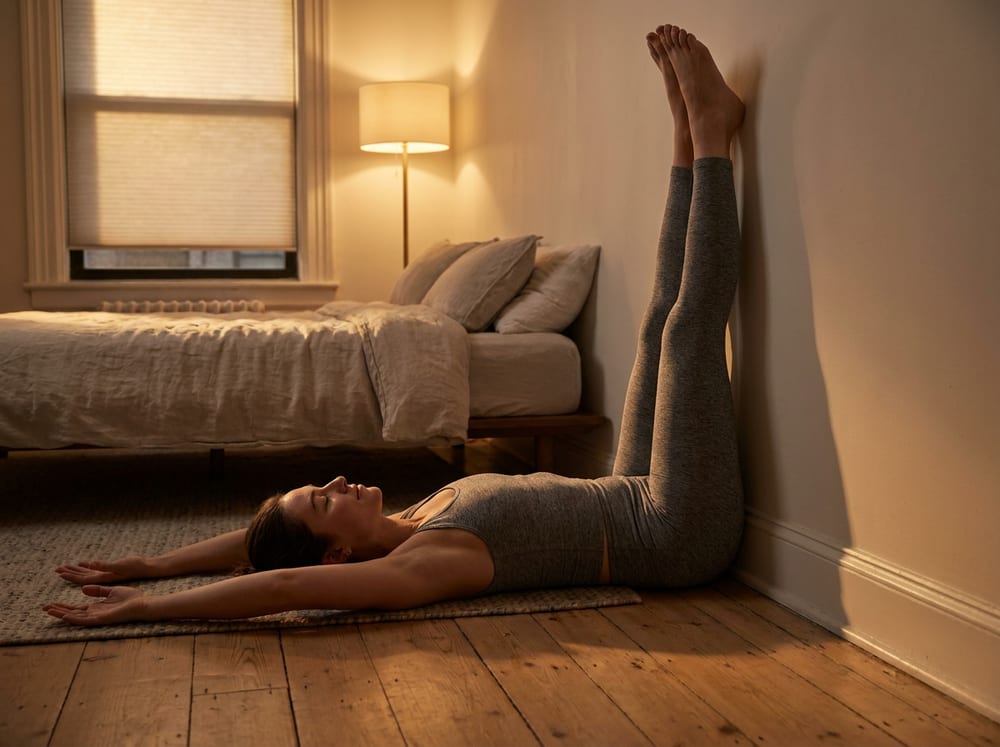
Legs-Up-the-Wall (Viparita Karani)
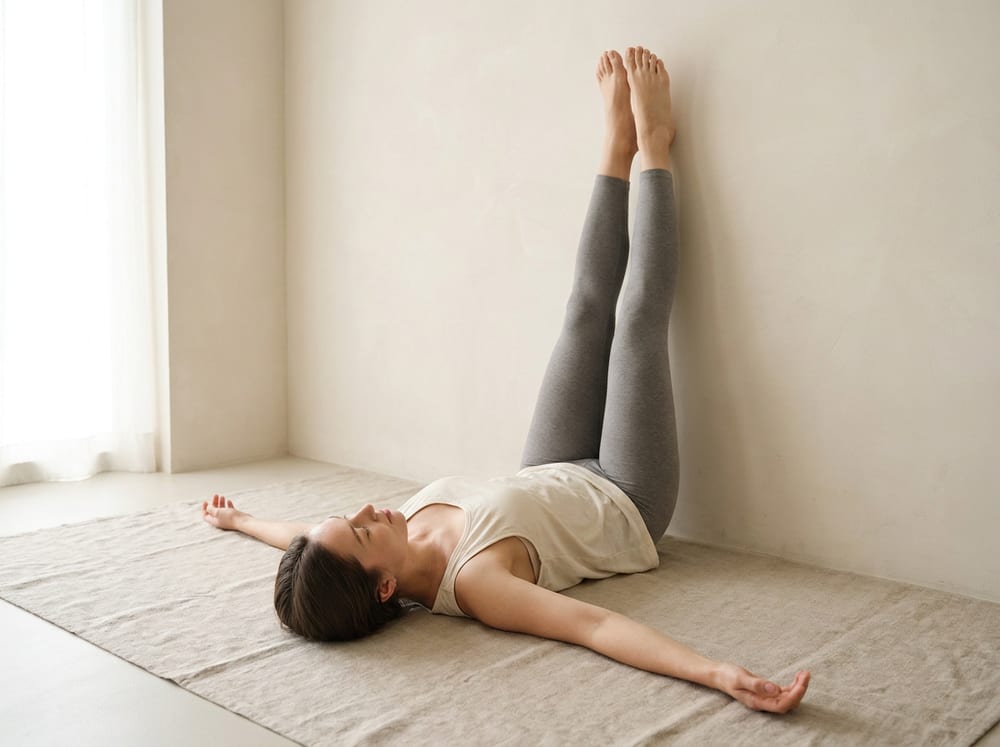
beginnerA quiet, fully supported inversion: hips near the wall, legs resting straight up it, draining your legs and downshifting your nervous system before you even think about closing your eyes.
Legs-Up-the-Wall Pelvic Circulation Reset
beginnerA restorative inversion: hips near the wall, legs resting straight up it, using plain gravity and slow, parasympathetic breathing to flush out your pelvis and talk your nervous system down.
Low-Impact Standing Cardio Circuit
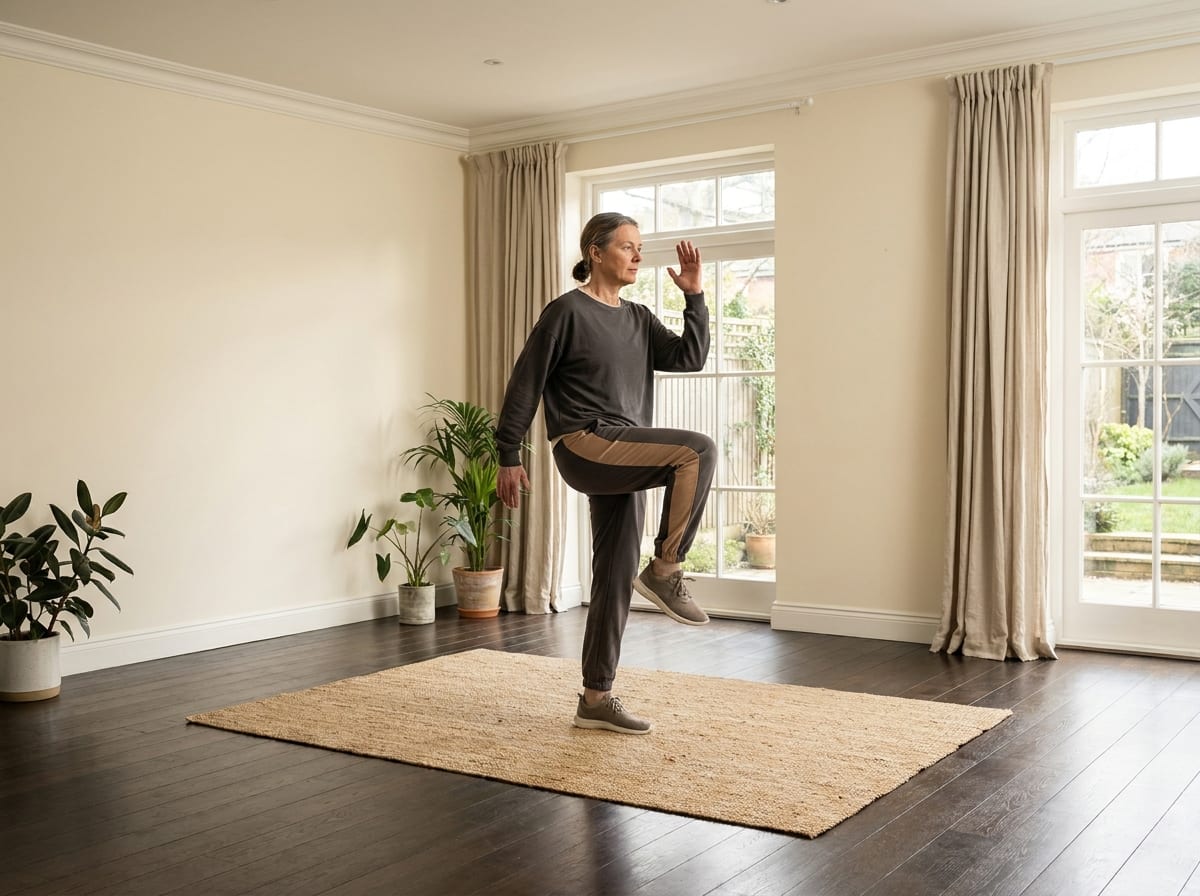
beginnerFour standing moves, thirty seconds each, zero jumping, so your heart rate goes up without your joints, or the people living below you, filing a complaint.
Ninety-Minute Easy Walk After a Vaccination
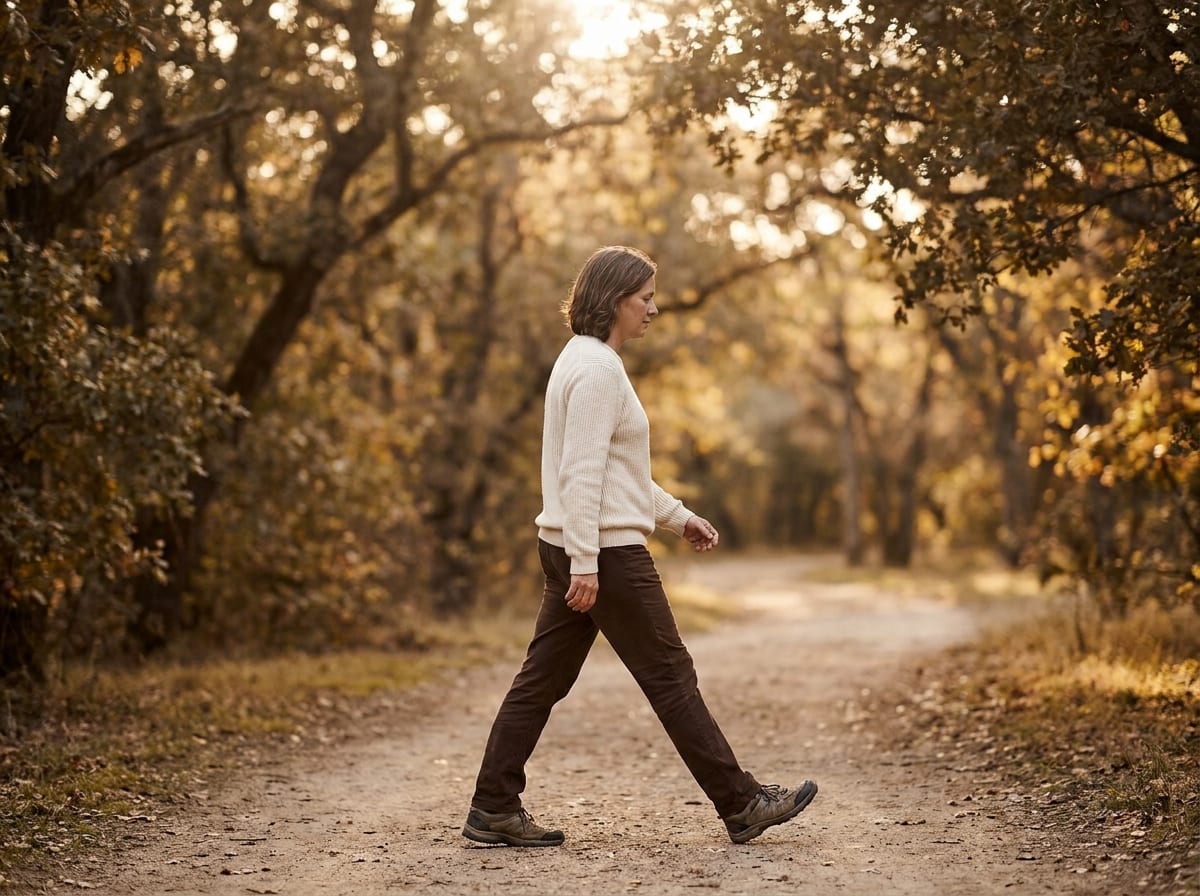
beginnerNinety minutes of easy, talk-through-it walking on the day you get a flu or COVID shot. That exact number is not a nice round guess, it is the duration one small trial tested against just sitting there.
Nordic Hamstring Negative
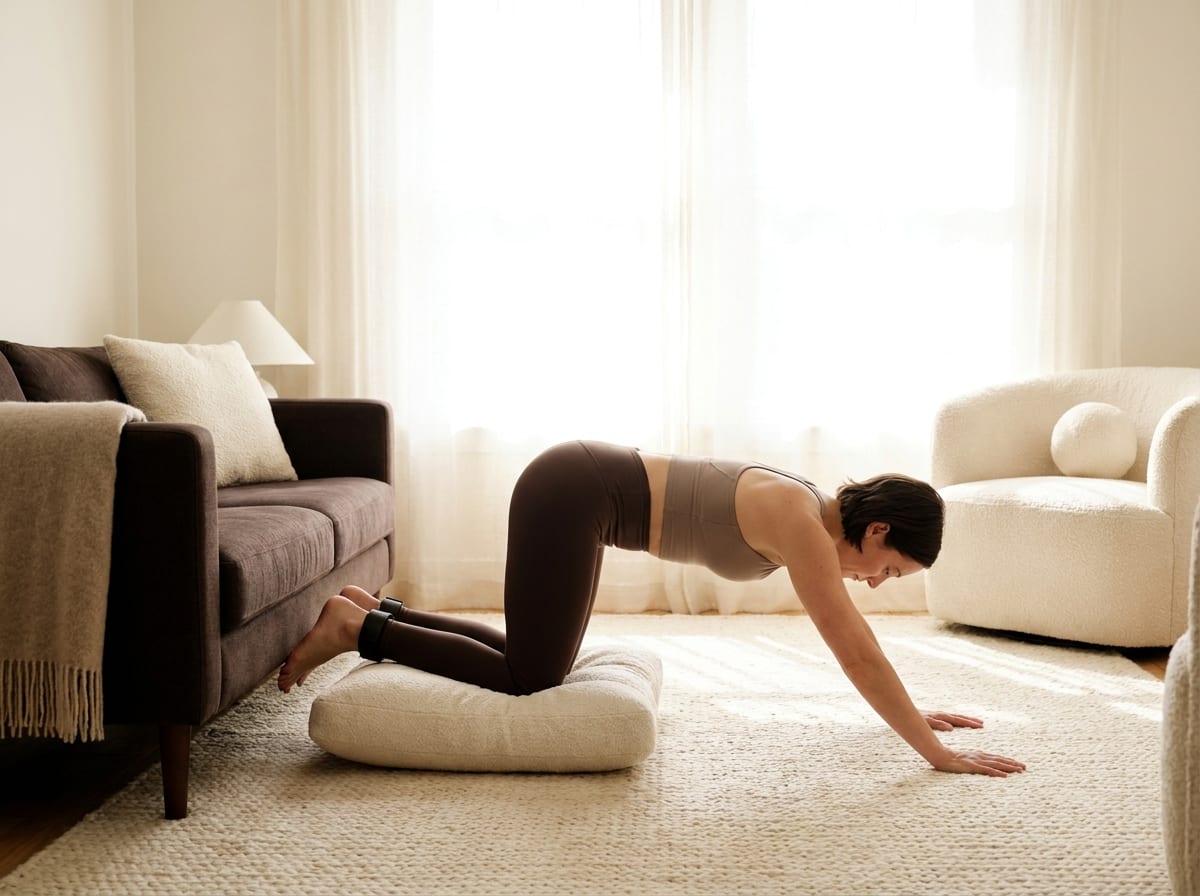
advancedKneel, anchor your ankles, and lower your torso toward the floor as slowly as you can possibly control it, then push back up with your hands. That's the whole move, and it's brutal.
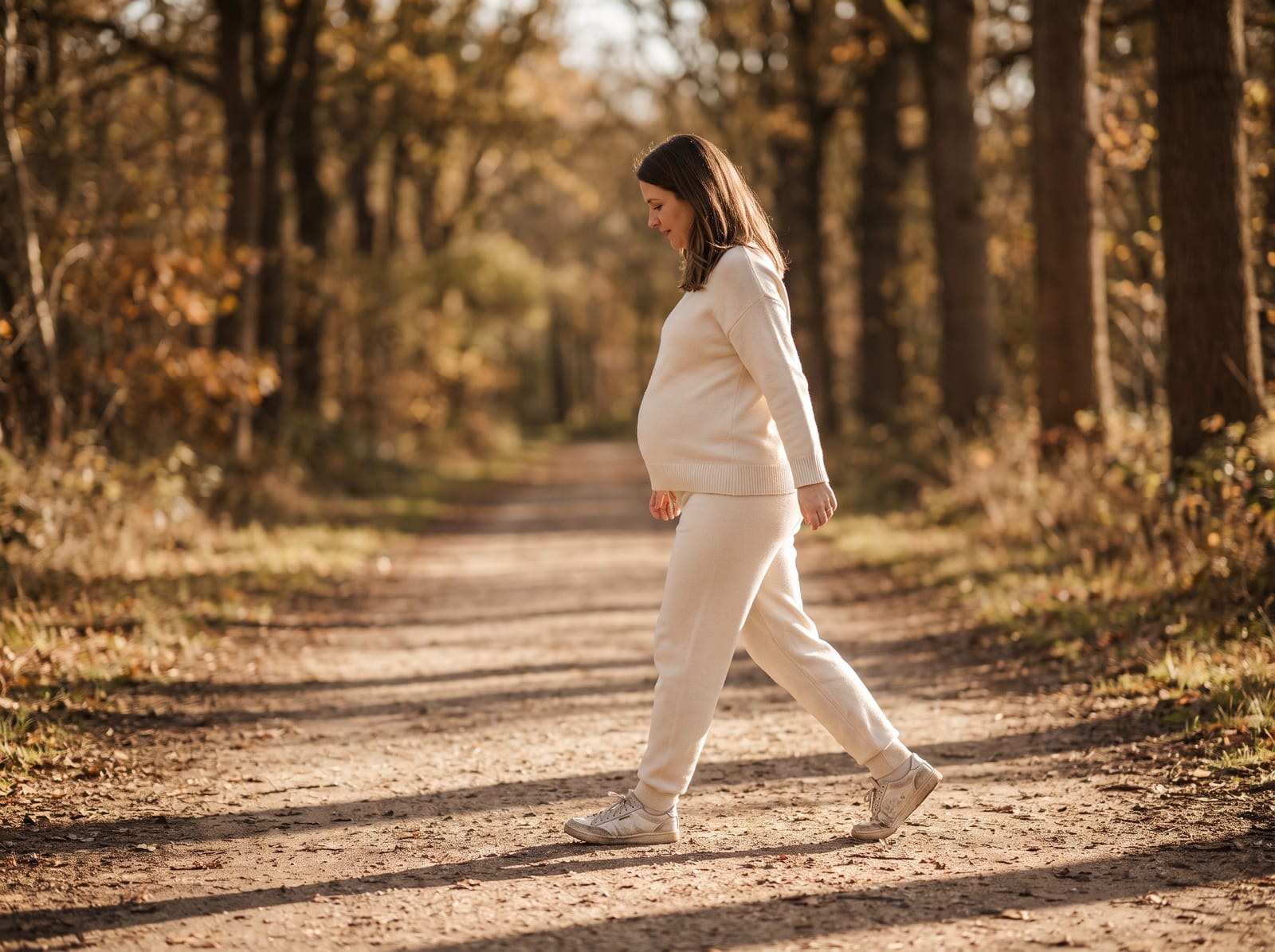
One Hundred and Fifty Minutes a Week, Through a Pregnancy
beginnerThirty minutes of brisk walking or stationary cycling, five days a week, at a pace where you can still hold a sentence. That number is not a round guess. It is the figure the 2019 Canadian prenatal activity guideline landed on, and this is the single best-supported thing a body can do with movement during pregnancy.
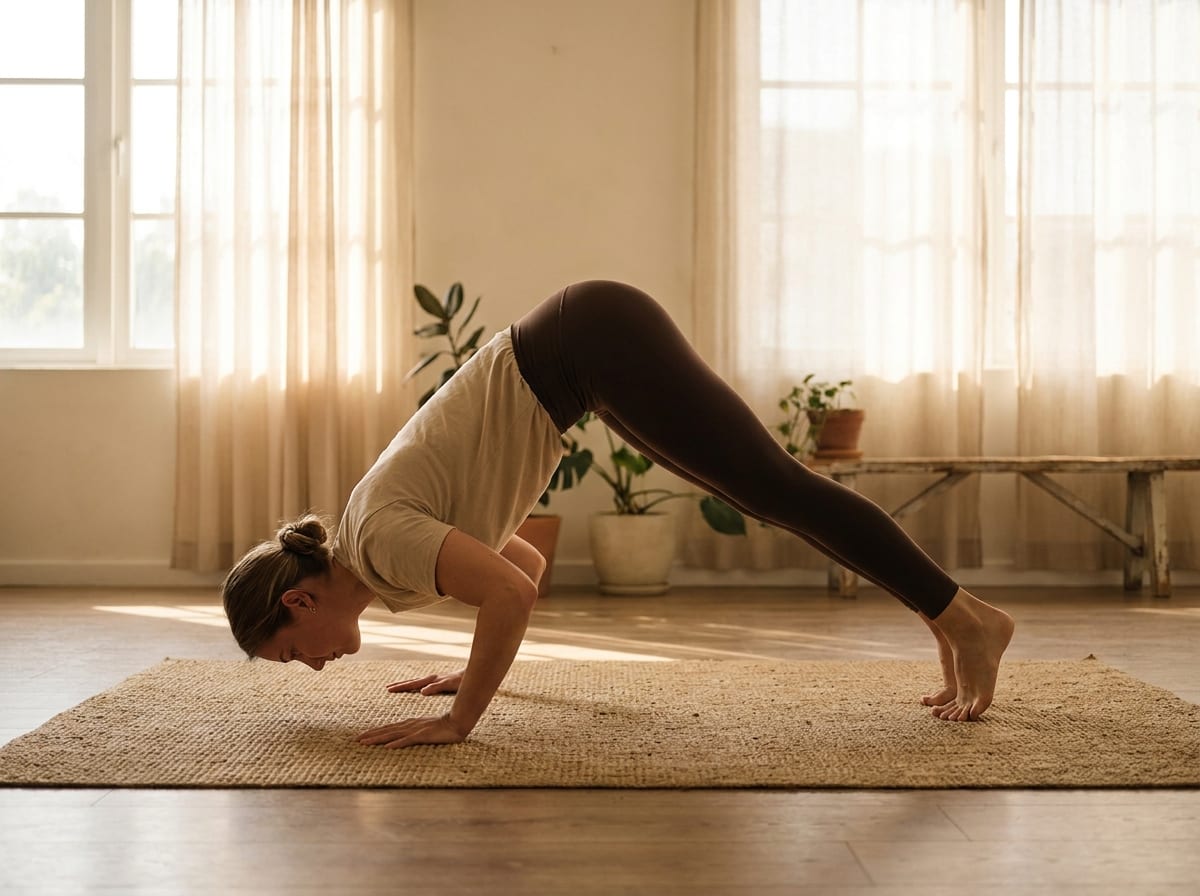
Pike Push-Up
intermediateA push-up with your hips folded up high, which quietly moves the load off your chest and hands it straight to your shoulders.
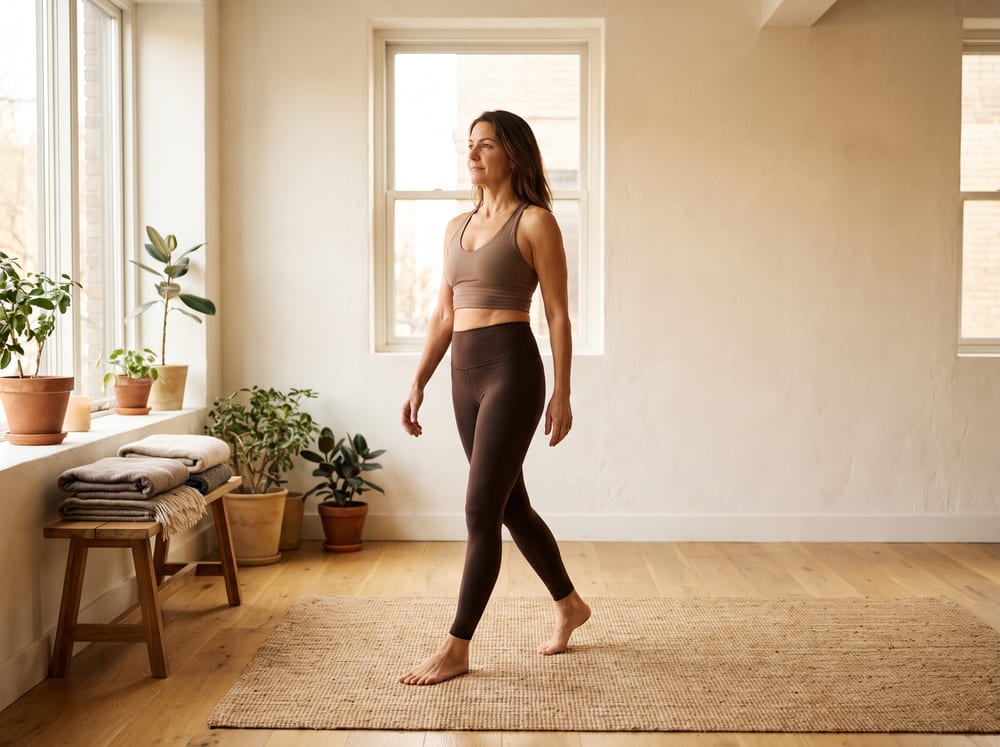
Post-Meal Walking Protocol
beginnerA short, unhurried walk started soon after you eat, paced on purpose to help your stomach empty and blunt the sugar spike that follows a meal. This isn't about fitness. It's about digestion.
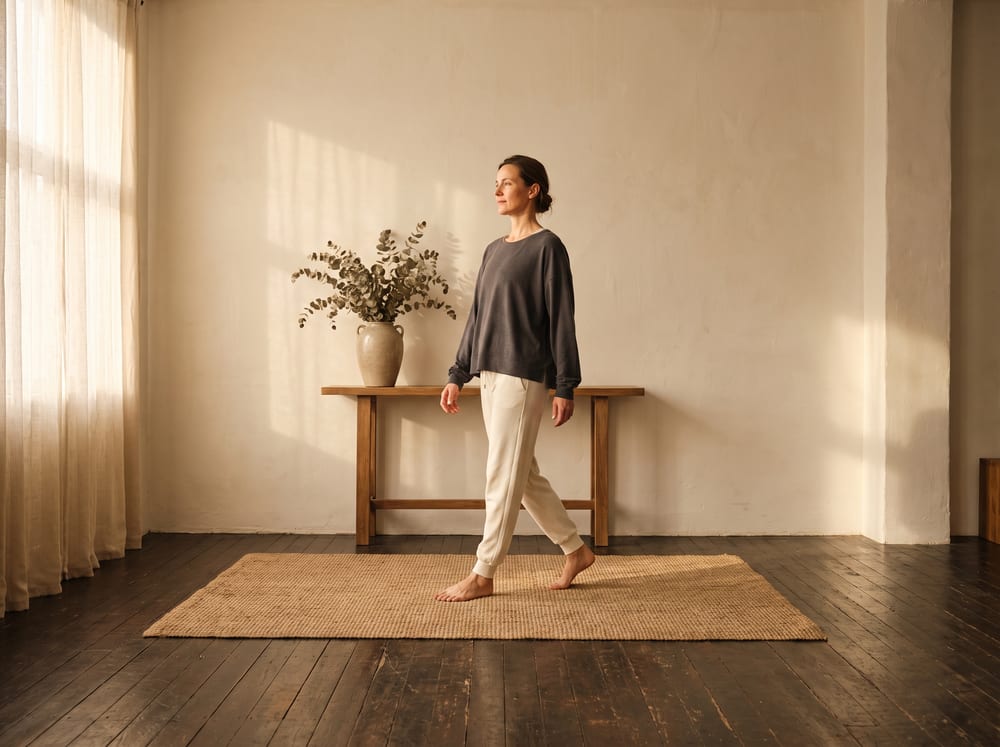
Post-Meal Walking Protocol
beginnerA short, unhurried walk started soon after you eat, paced on purpose to help your stomach empty and blunt the sugar spike that follows a meal. This isn't about fitness. It's about digestion.
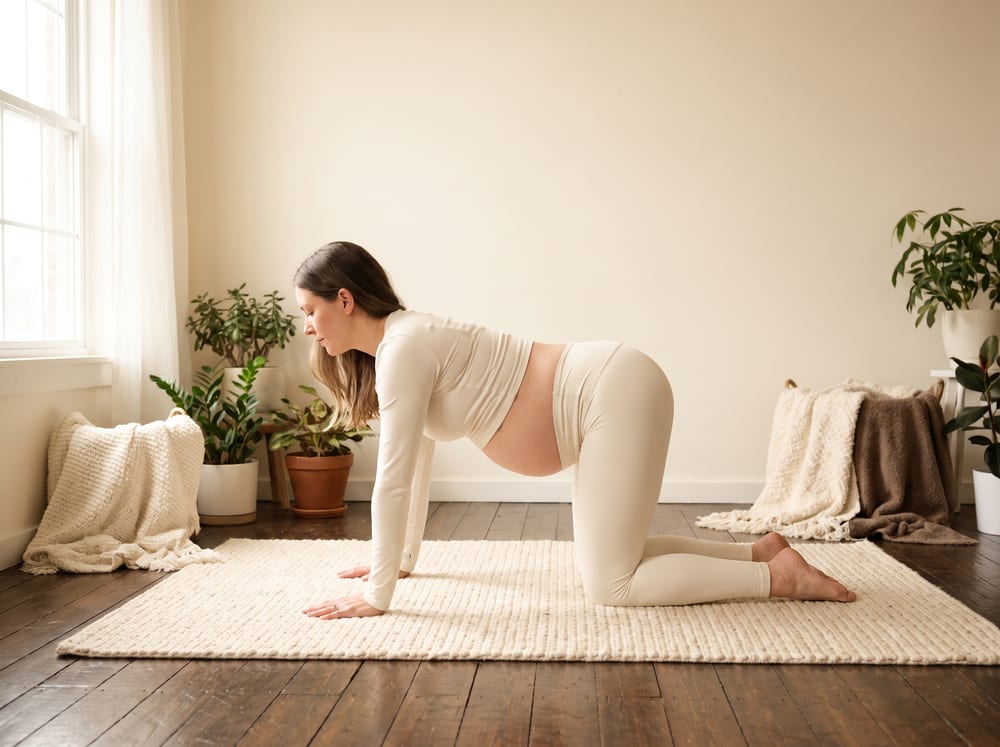
Prenatal Cat-Cow on All Fours
beginnerA gentle, hands-and-knees spinal flow that eases the low-back tension of a center of gravity that's been quietly moving on you, letting your belly hang away from your spine instead of pulling on it. A lot of pregnant people find real relief here.
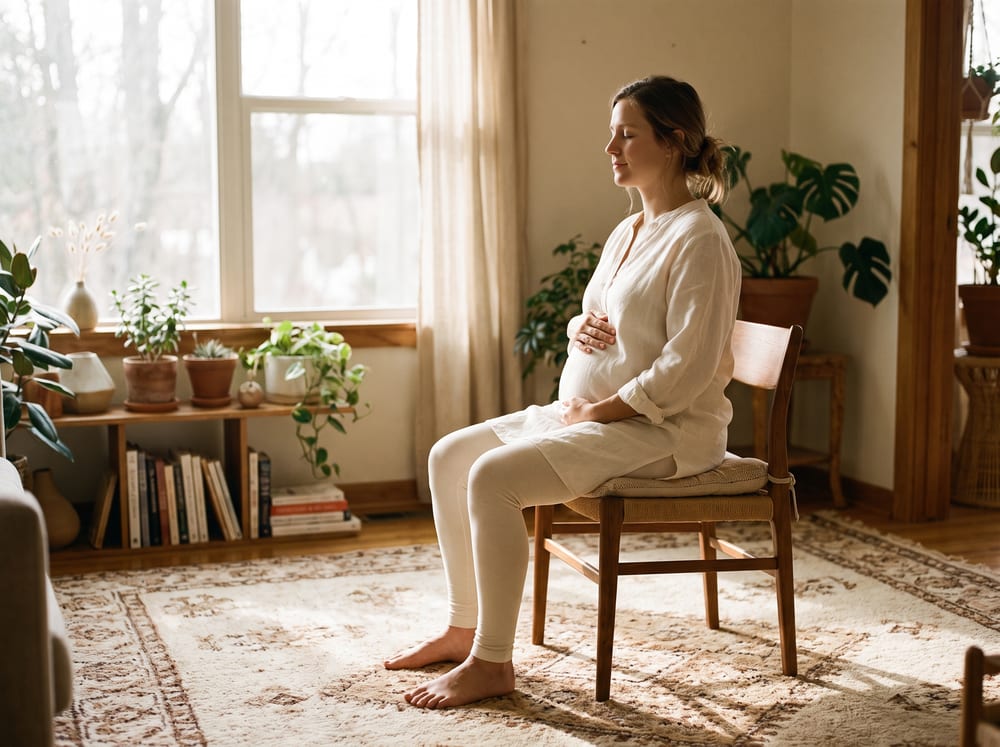
Prenatal Pelvic-Floor (Kegel) Training
beginnerA no-equipment drill that trains your pelvic floor to do two things equally well: clench on command, and just as important, let go completely. That coordination is exactly what your body leans on through pregnancy, birth, and the recovery after.
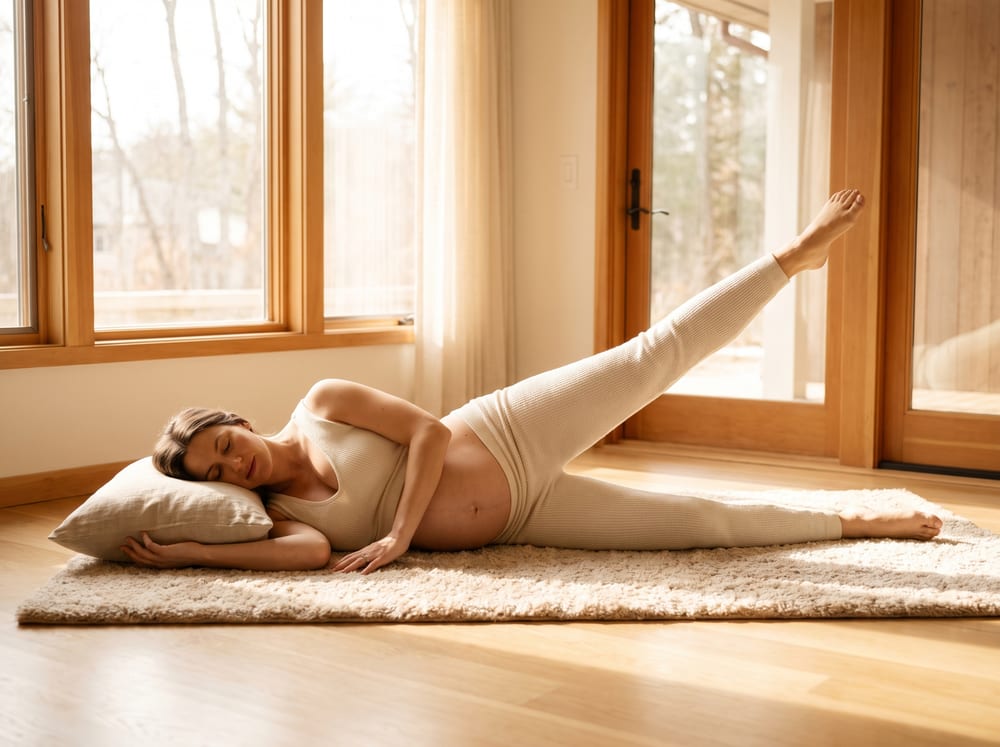
Prenatal Side-Lying Leg Lifts
beginnerA side-lying hip drill that builds the outer-hip and glute muscles holding your pelvis steady, done in a position that keeps the weight of your uterus off your major blood vessels and off your back entirely.
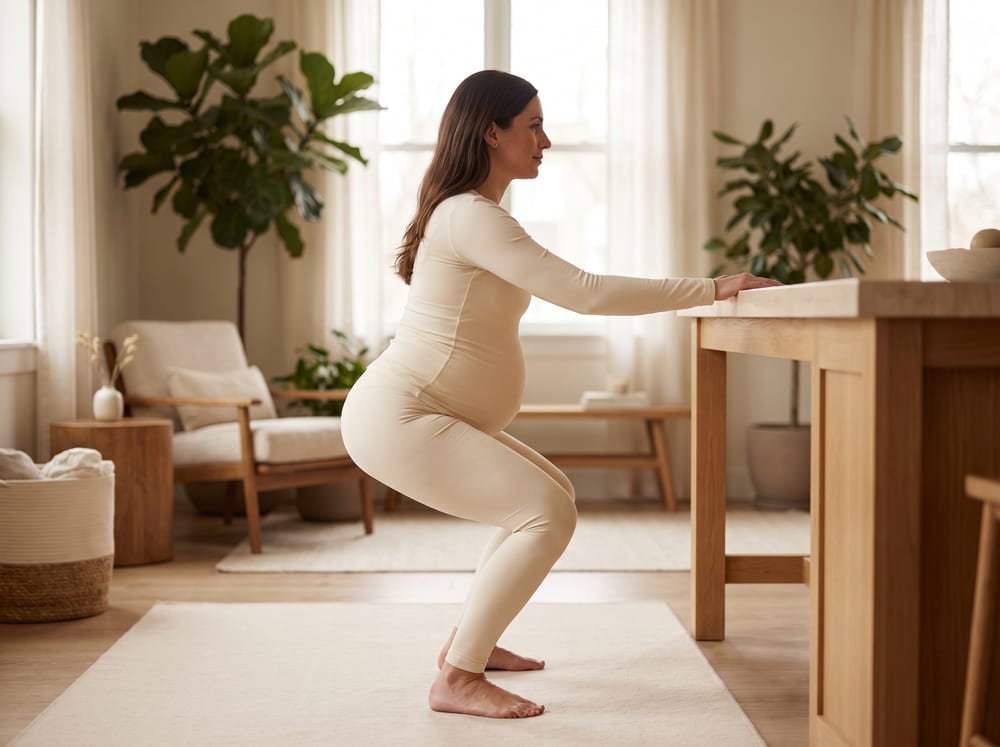
Prenatal Supported Squat
beginnerA shallow, chair- or counter-supported squat that keeps your legs strong for what pregnancy and early parenthood demand of them, with the support taking the balance risk off the table entirely.
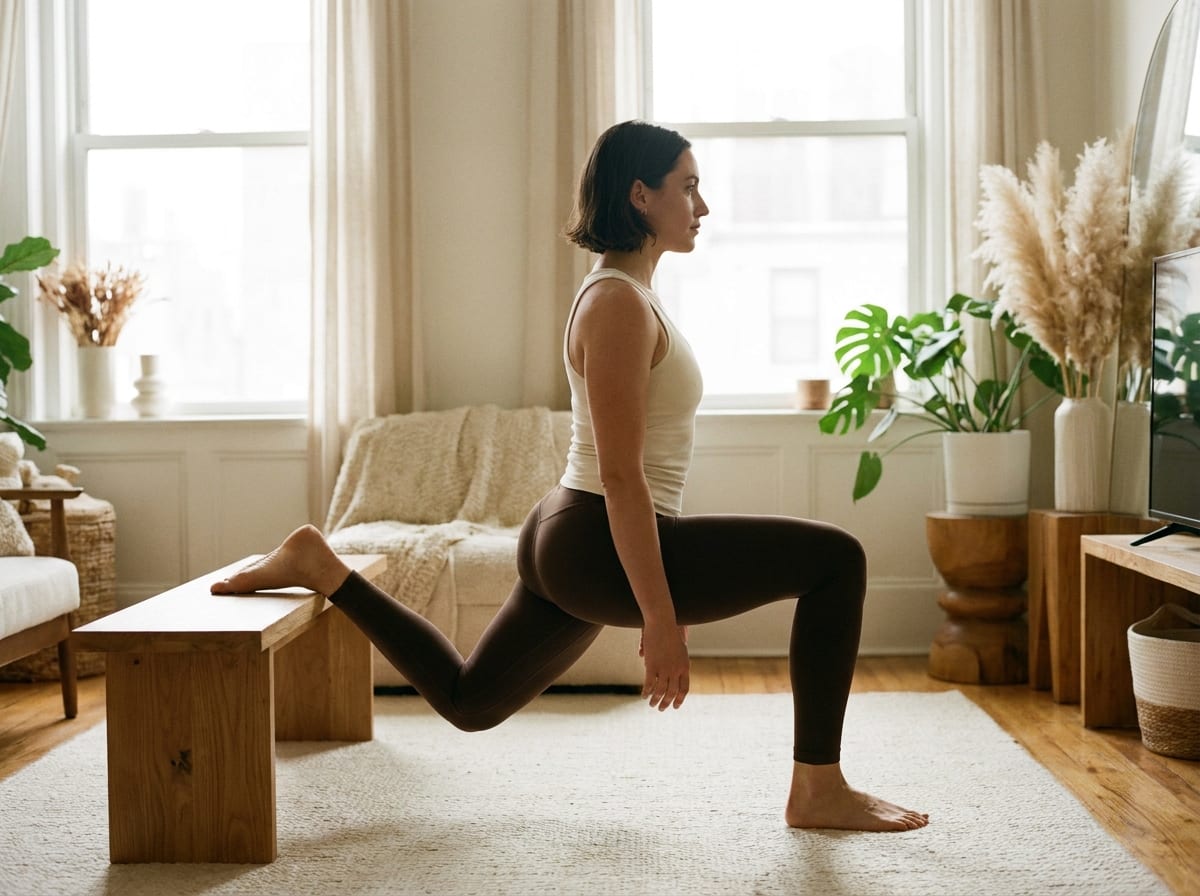
Rear-Foot-Elevated Split Squat
intermediateA single-leg squat with your back foot kicked up on a chair behind you, which piles almost your whole bodyweight onto the front leg and makes bodyweight training work again.
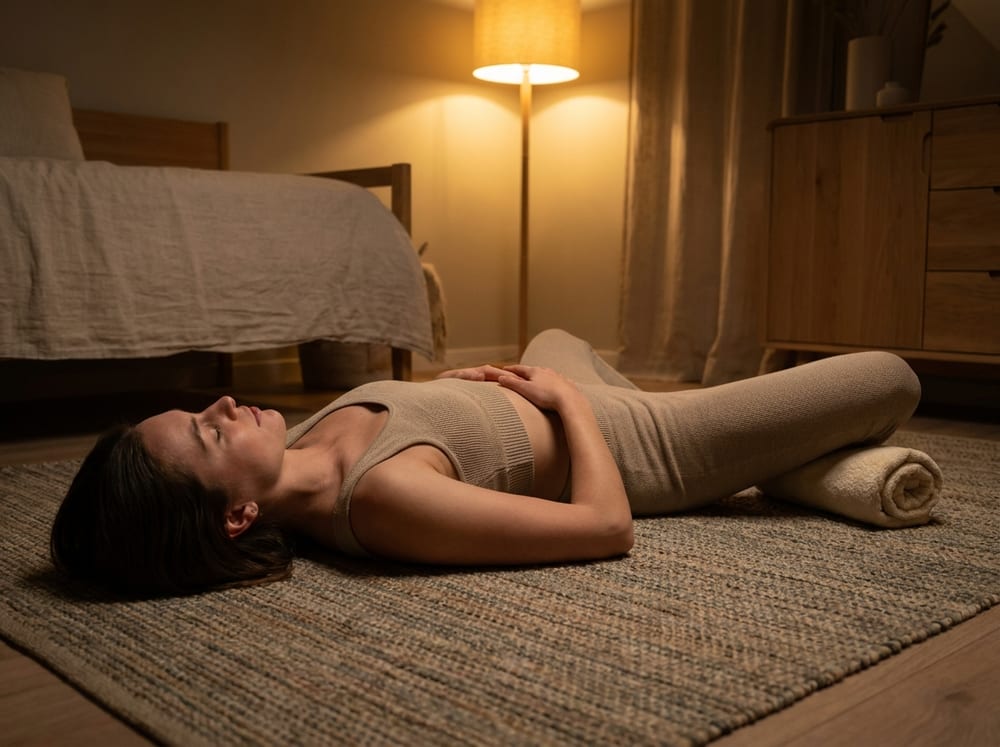
Reclined Bound-Angle (Reclined Butterfly)
beginnerA restful, fully supported recline: soles of your feet together, knees dropped open, letting gravity do the work of releasing your inner thighs and hips while your chest stays open for easy breathing.
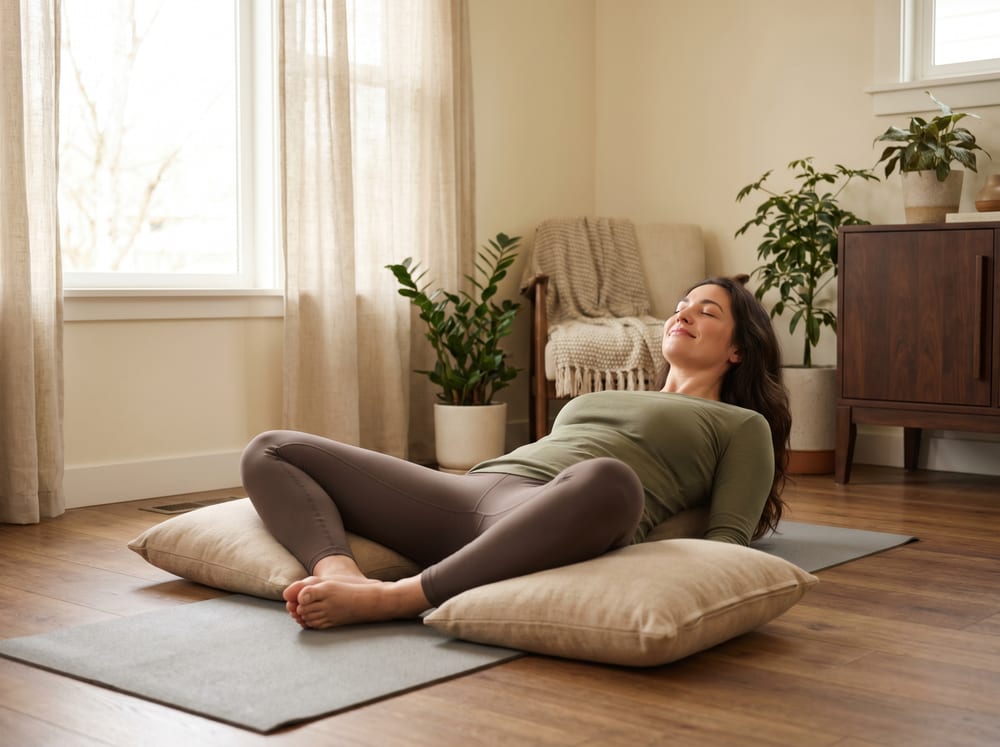
Reclined Bound-Angle to Gentle Twist Flow
beginnerA calm, floor-based flow between a supported reclined bound-angle position and a gentle supine twist, opening your hips and easing your low back while slow breathing talks your nervous system down.
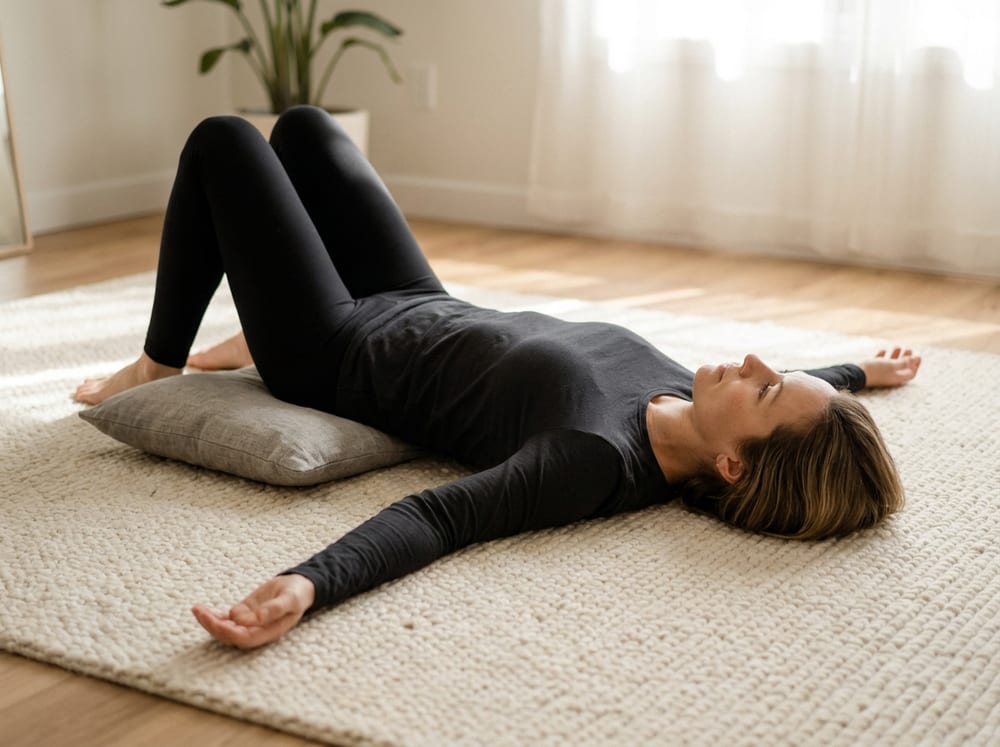
Reclined Spinal Twist
beginnerA gentle rotation flat on your back: bent knees drop to one side, shoulders stay grounded, gaze turns the other way. Simple on paper, genuinely releasing in the body.
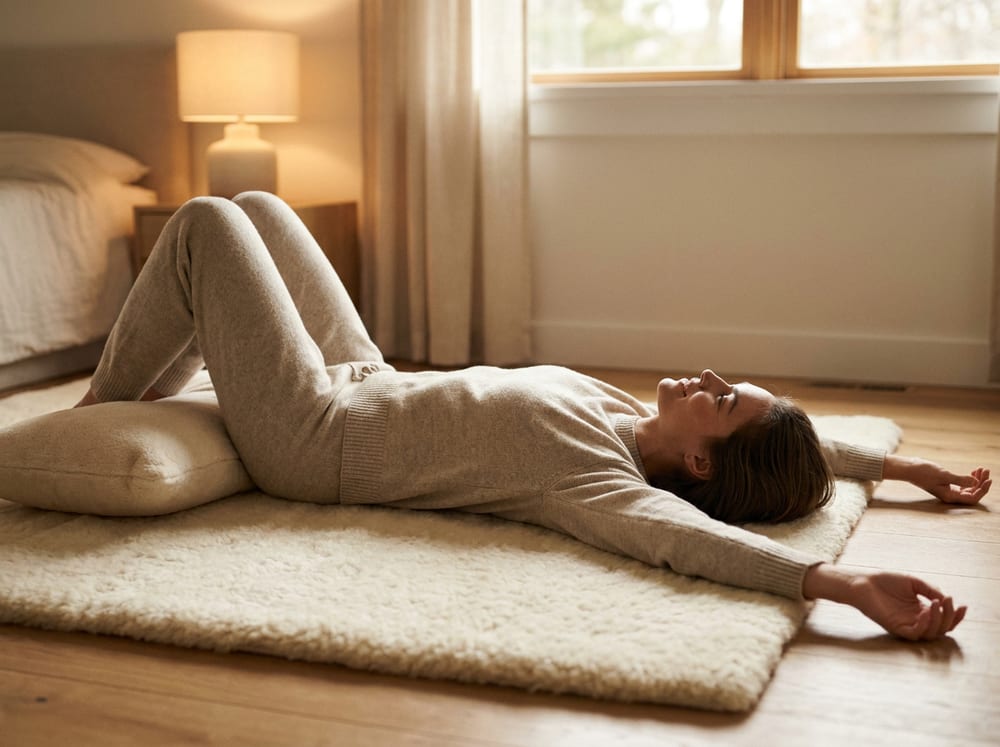
Reclined Supine Spinal Twist
beginnerA slow, gravity-assisted twist: both bent knees drop to one side while your shoulders stay grounded, gently decompressing your spine and quieting your whole body down before sleep.
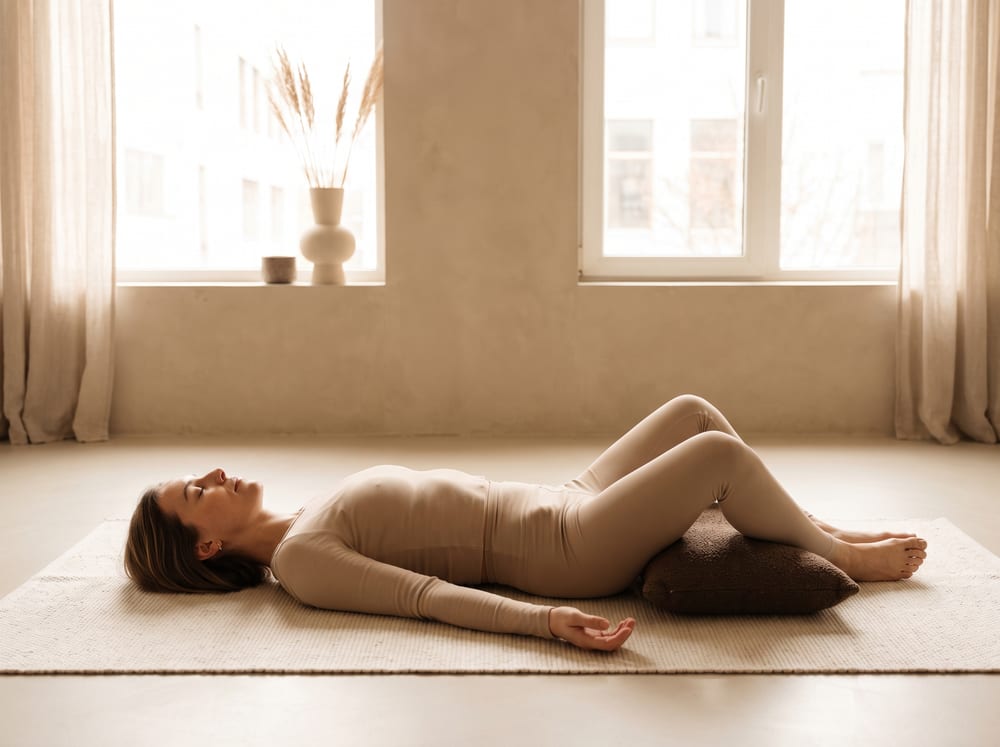
Reclined Supported Hip-Opener Windshield Wipers
beginnerA supine, do-almost-nothing hip drill: knees bent, feet wide, swaying side to side like windshield wipers, with an option to pause knees-open over a cushion and just let your hips and inner thighs release during your period.

Seated Neck and Shoulder Release
beginnerA slow seated sequence of shoulder rolls and side-bending neck stretches that unwinds the upper-trapezius and neck tension exactly where stress likes to set up camp.
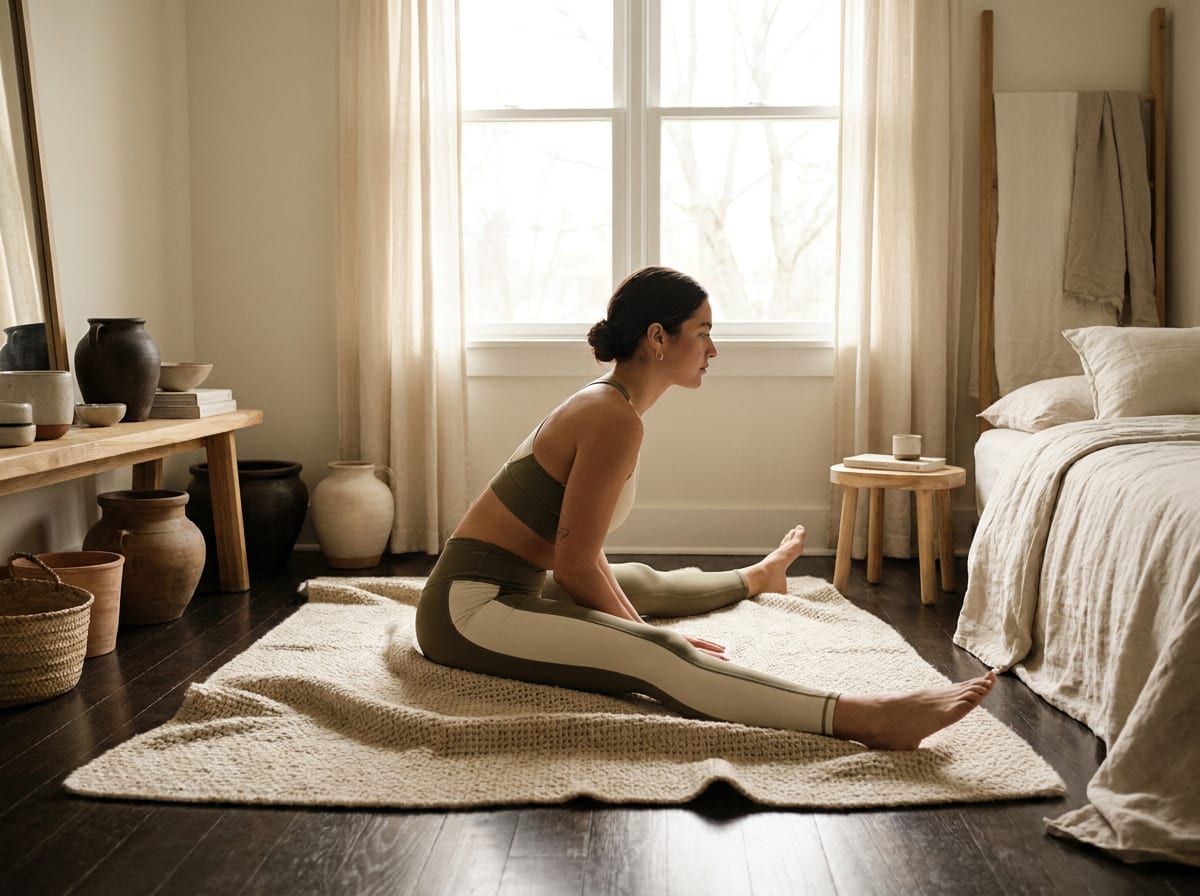
Seated Straddle Progression
intermediateSit with your legs wide and hinge forward from the hips, not the spine, holding each position for a minute or more.
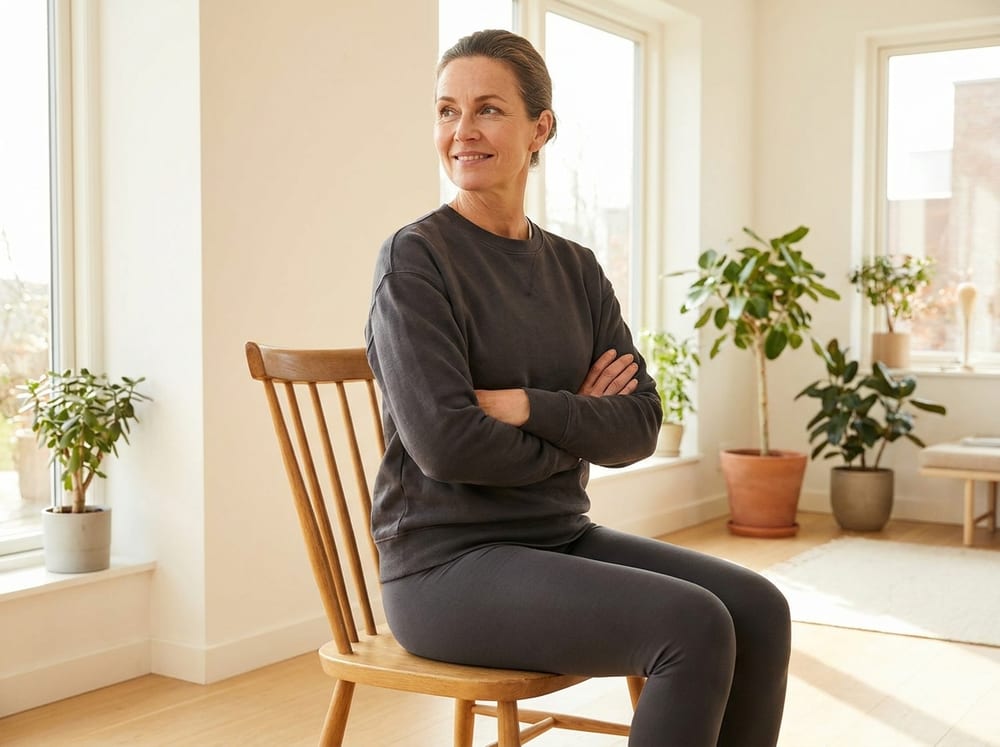
Seated Thoracic Rotation (Chair Twist)
beginnerA gentle seated rotation for your mid-back that gets your ability to twist through your ribcage back, using a sturdy chair for support and real feedback.
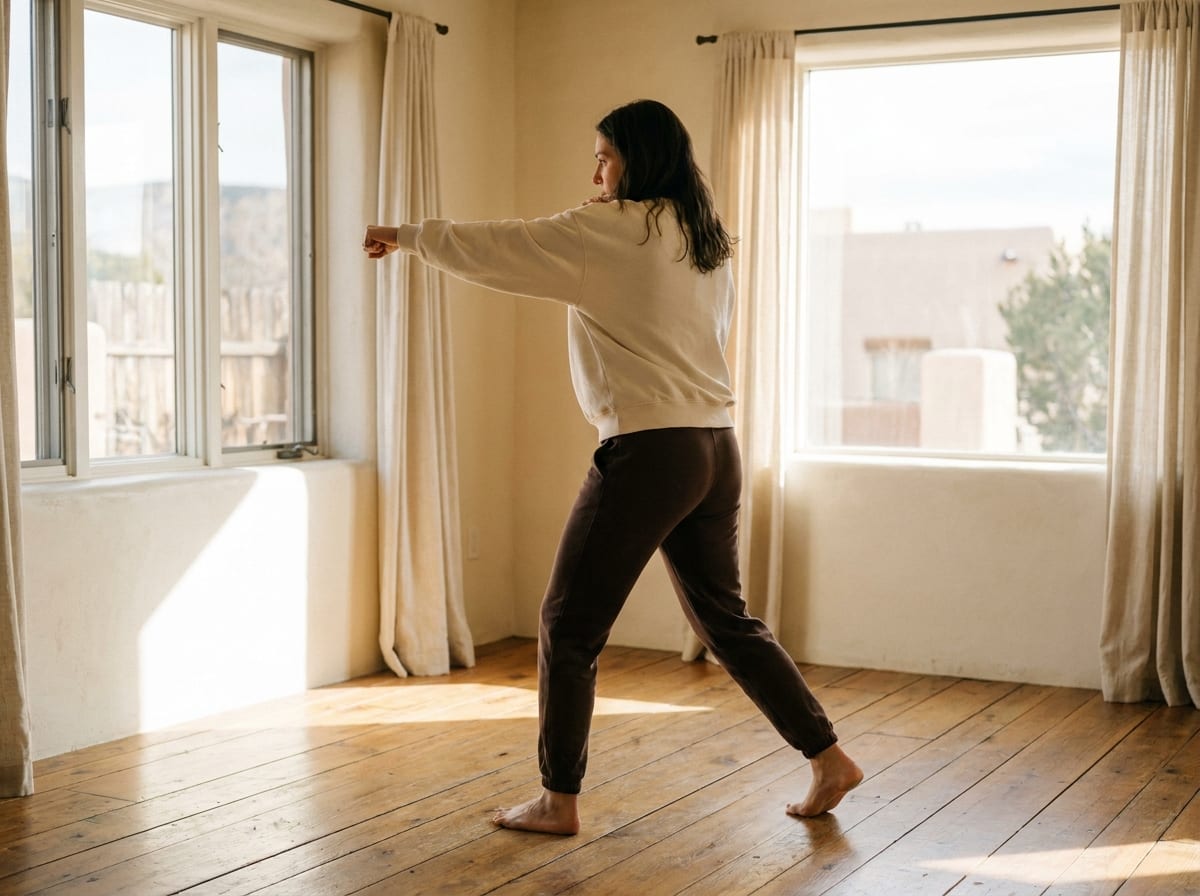
Shadow Boxing Rounds
intermediateThree-minute rounds of continuous punching and footwork, a minute of rest between, training your aerobic capacity and your rotation in the same breath.
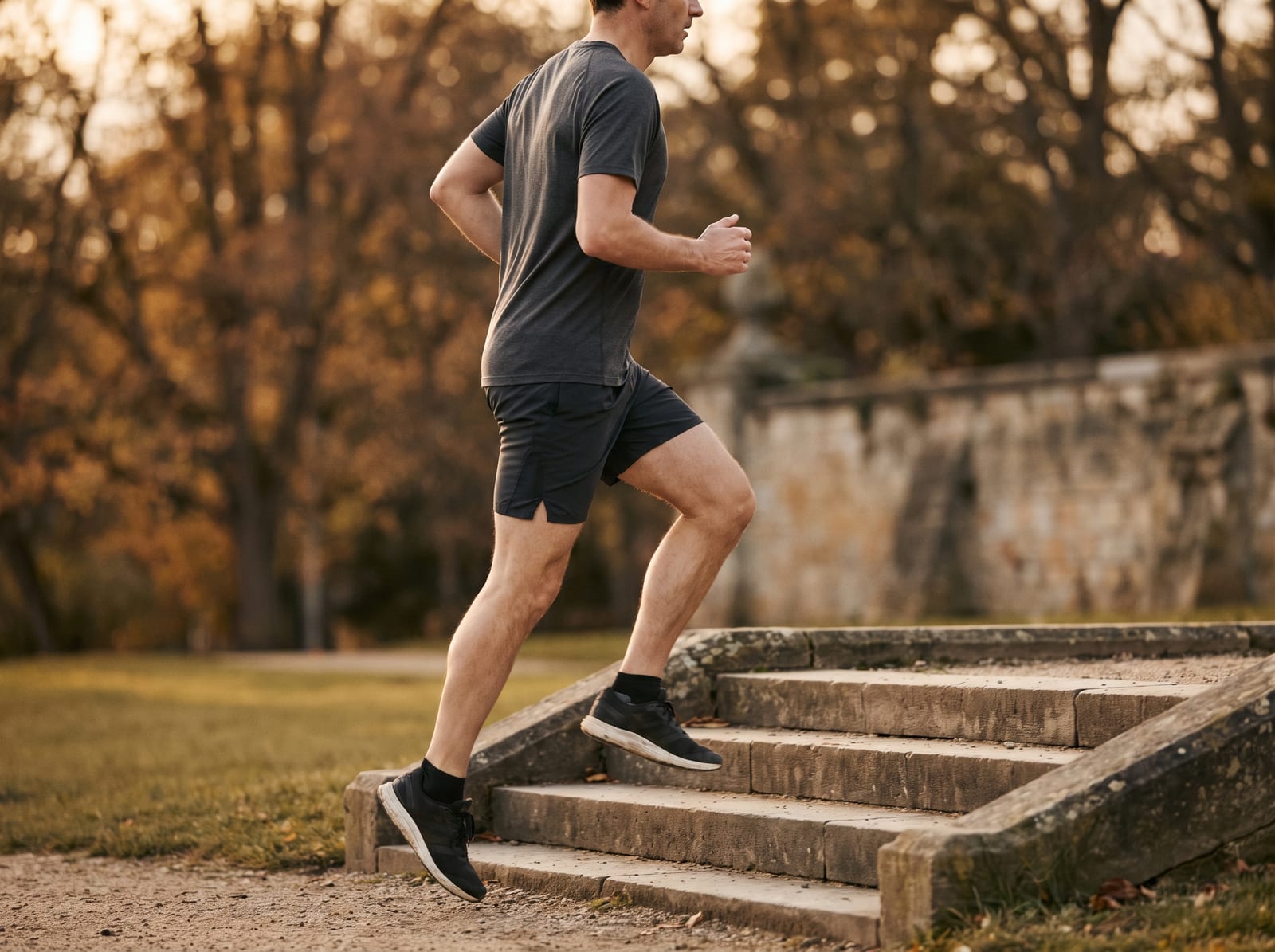
Short Intervals Before a Meal
intermediateEight short, genuinely hard efforts with easy recovery between them, done in the hour before the meal you tend to eat past full.
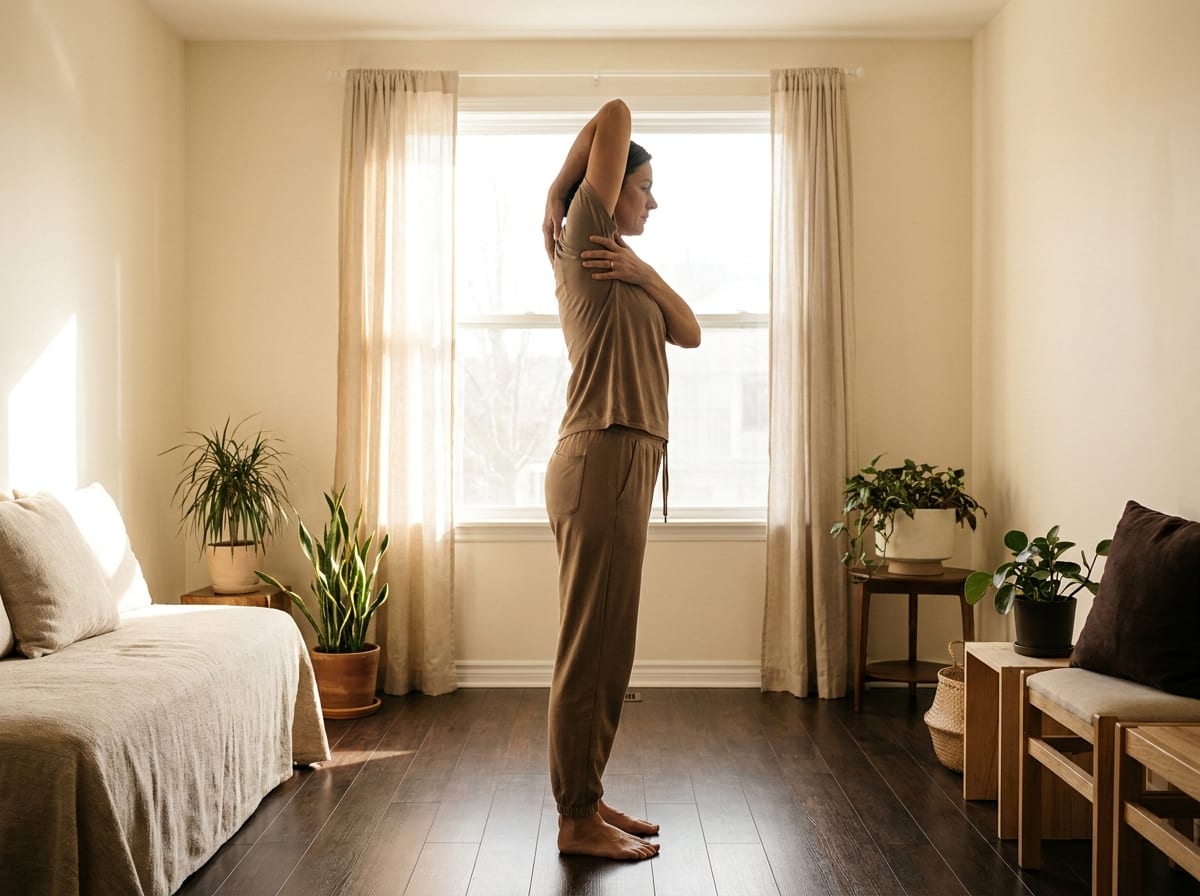
Shoulder Controlled Rotations
beginnerA slow, deliberate circle of your arm through your shoulder's full available range, one side at a time, taking about twenty seconds per rotation. No momentum allowed.
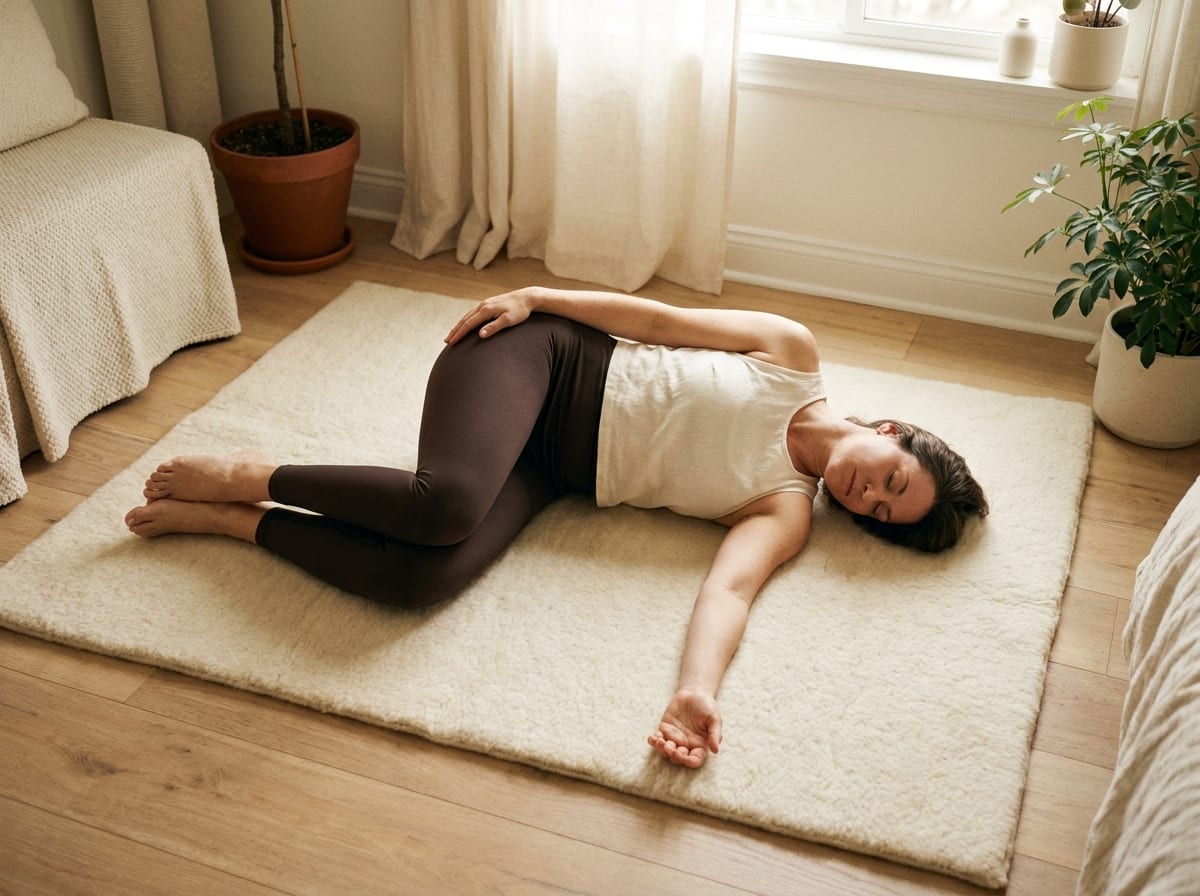
Side-Lying Open Book Rotation
beginnerLie on your side, knees stacked and bent, and open your top arm across your body to rotate your mid-back while your hips stay exactly where they are.
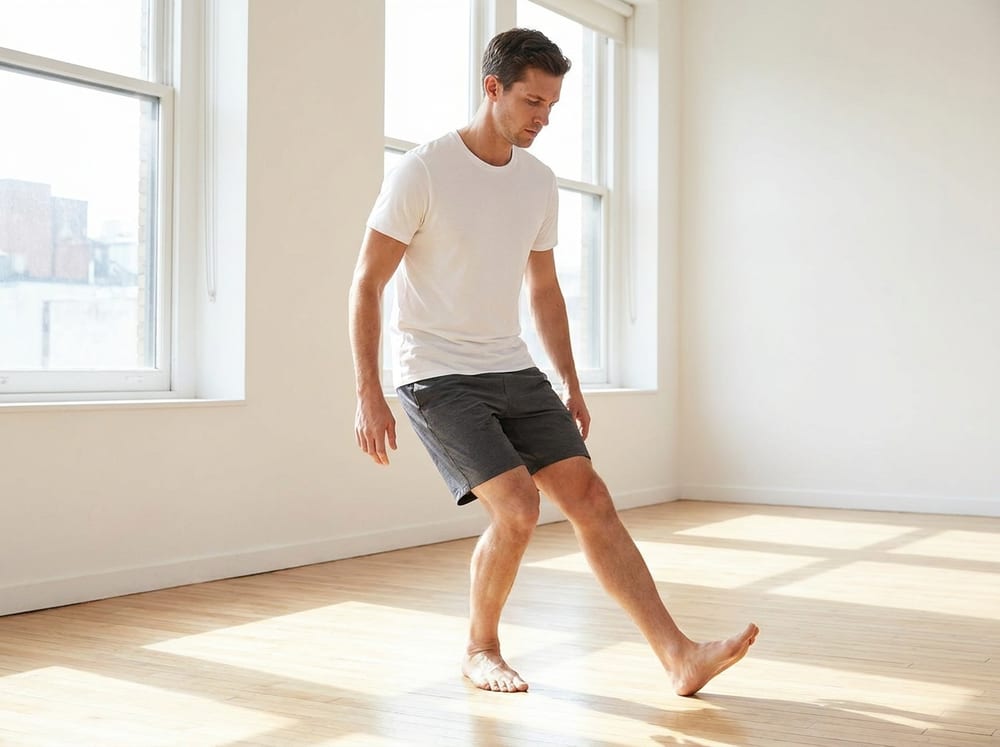
Single-Leg Clock Reach
intermediateBalance on one leg while your free foot taps out points on an imaginary clock face on the floor, driving controlled weight shift and hip control right at the edge of where you can still hold it together.
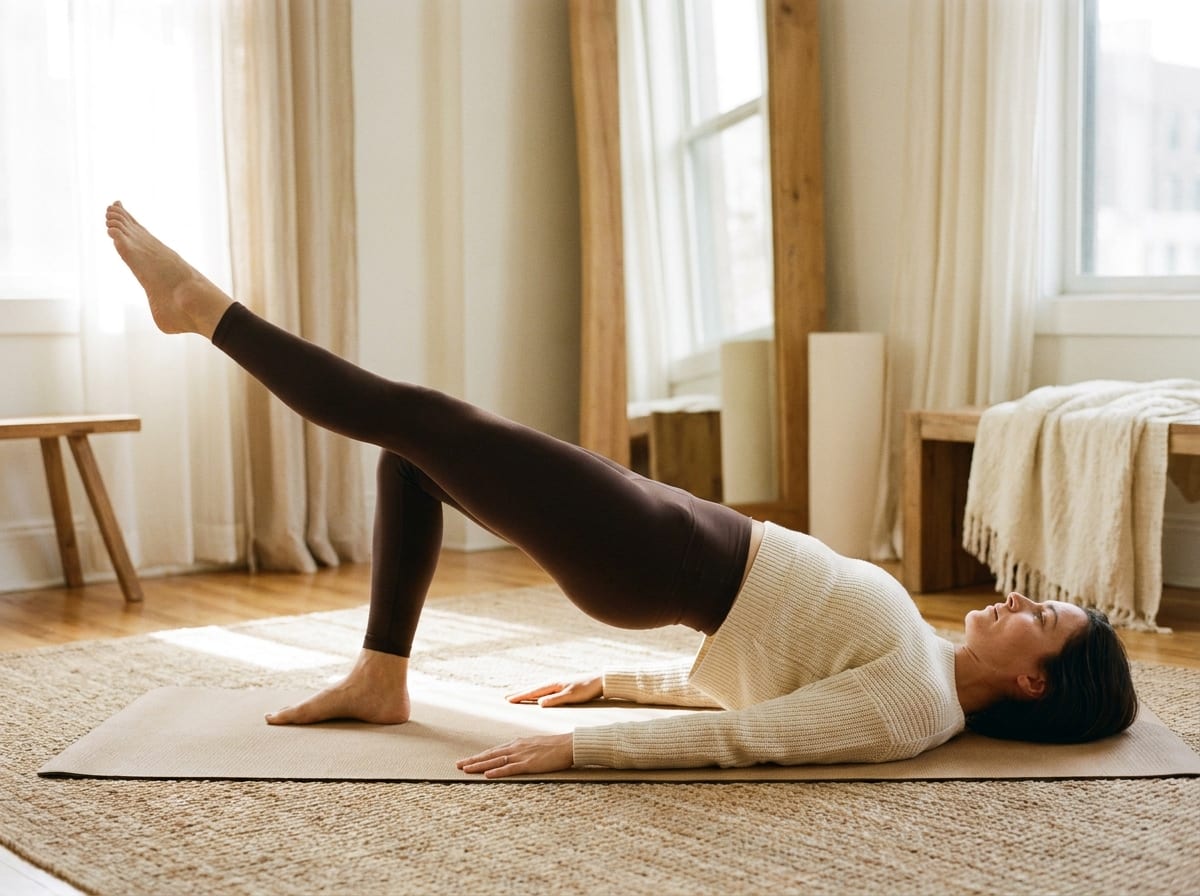
Single-Leg Glute Bridge
intermediateA hip bridge driven by one leg while the other hangs in the air, which doubles the load on the working side and rats out any difference between your two hips.
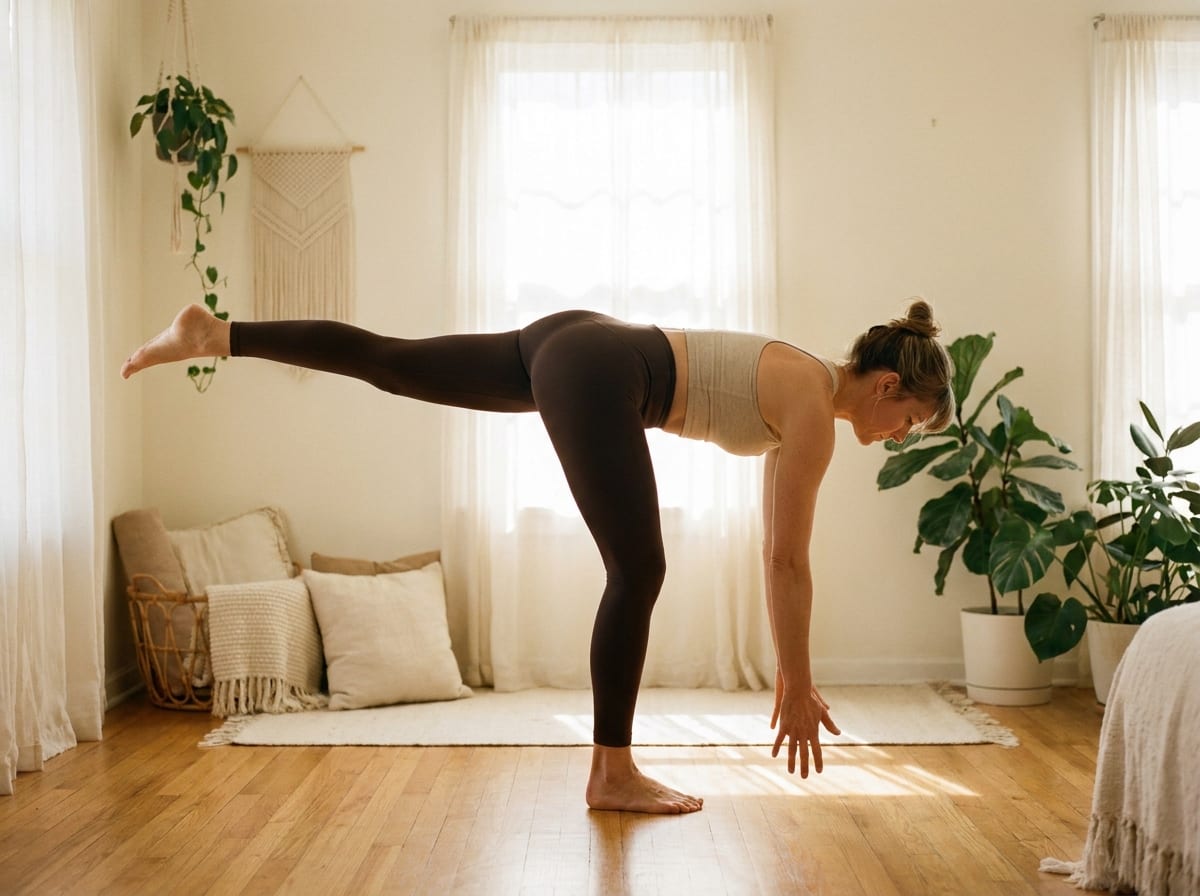
Single-Leg Reach and Return
intermediateHinge forward on one leg while the other stretches straight out behind you, reaching toward the floor and coming back up without ever letting that foot touch down.
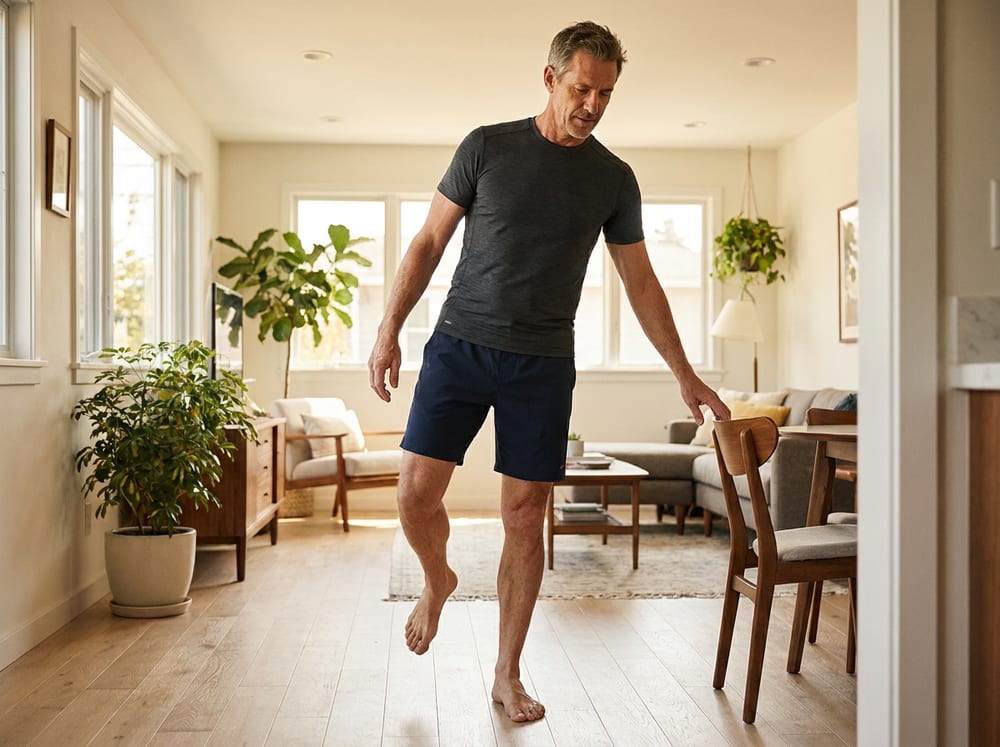
Single-Leg Stand at the Counter
beginnerStand on one leg with a light touch on the counter, working toward hands-off, to build the single-limb stability you're using during every single step of walking and every stair you climb.
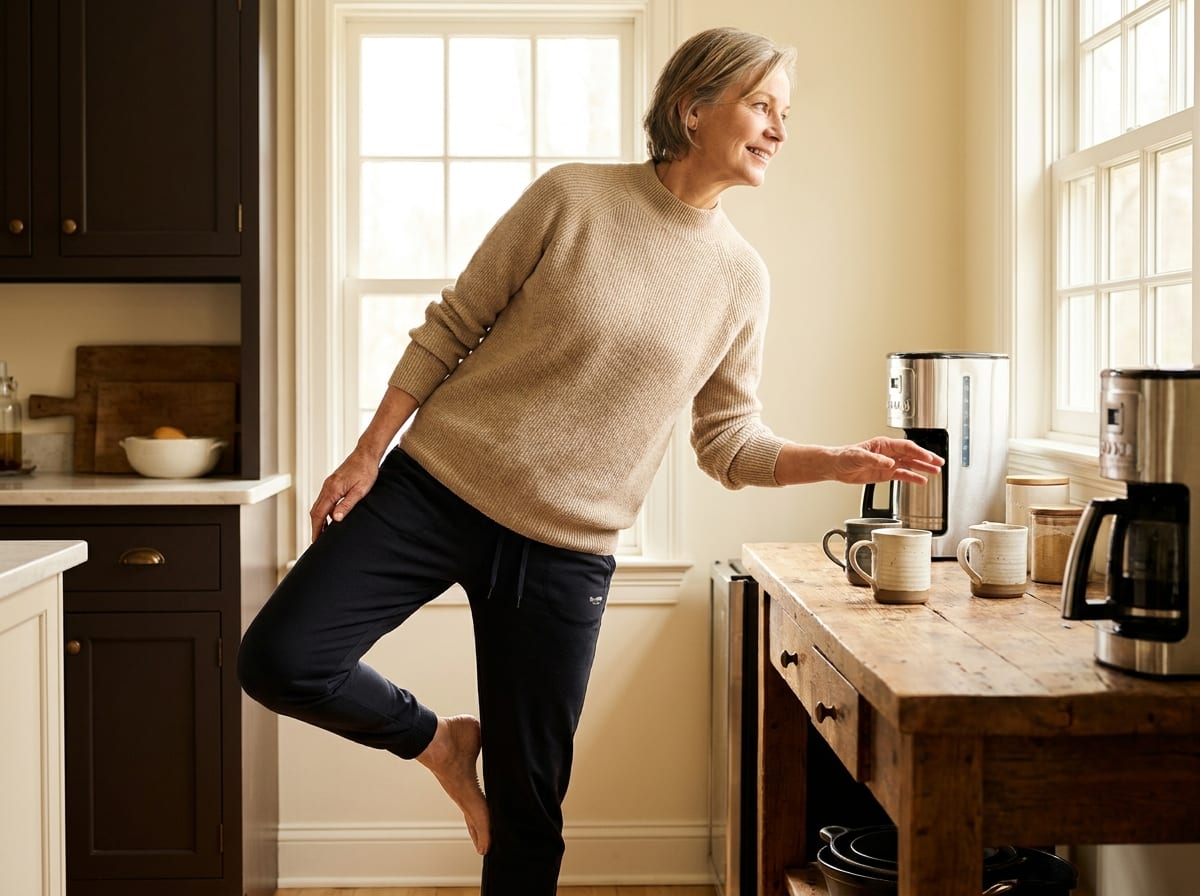
Single-Leg Stand with Head Turns
beginnerStand on one leg while slowly turning your head side to side and up and down, which takes your eyes away as a crutch and makes the rest of your balance system show up for work.
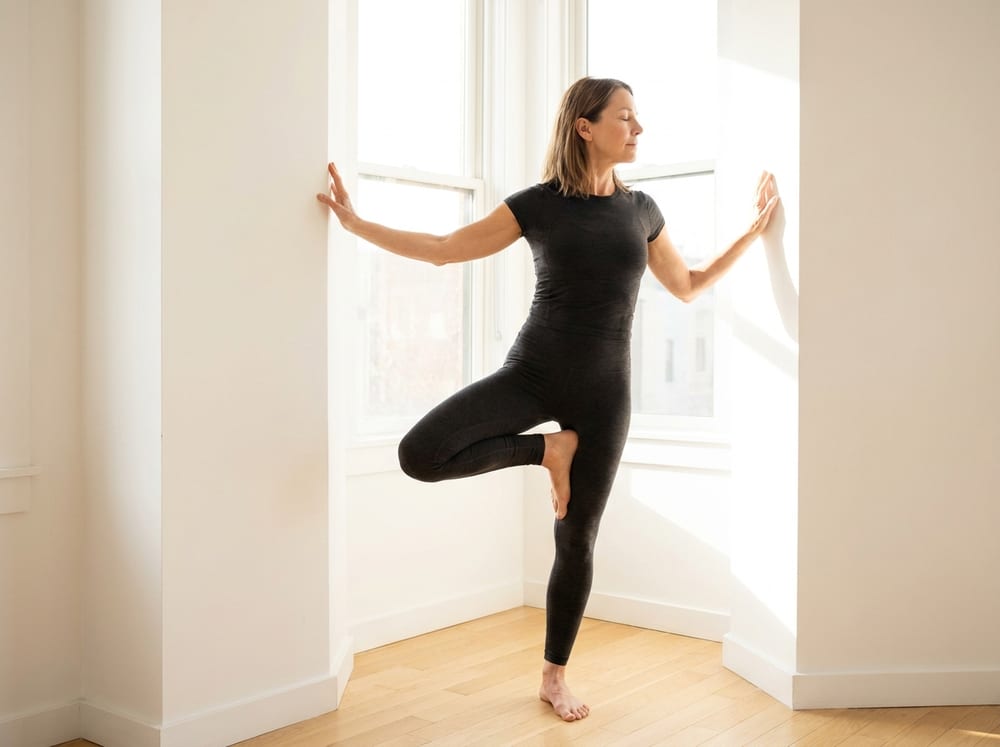
Single-Leg Stand, Eyes Closed with Head Turns
advancedThe final boss of this balance progression: one leg, eyes closed, slowly turning your head side to side, stripping away vision and stacking on a vestibular challenge at the exact same time.
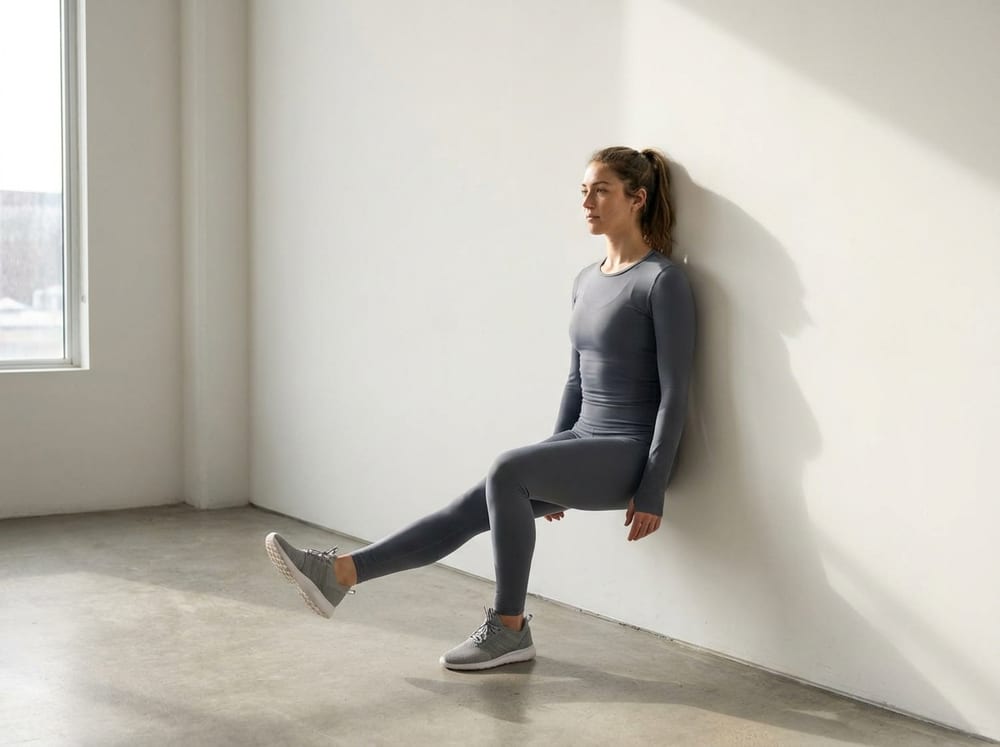
Single-Leg Wall Slide (Eccentric)
advancedAn advanced single-leg drill: back flat against the wall, controlling a slow one-legged descent with zero weights, building maximal quad and glute strength and knee resilience the whole way down.
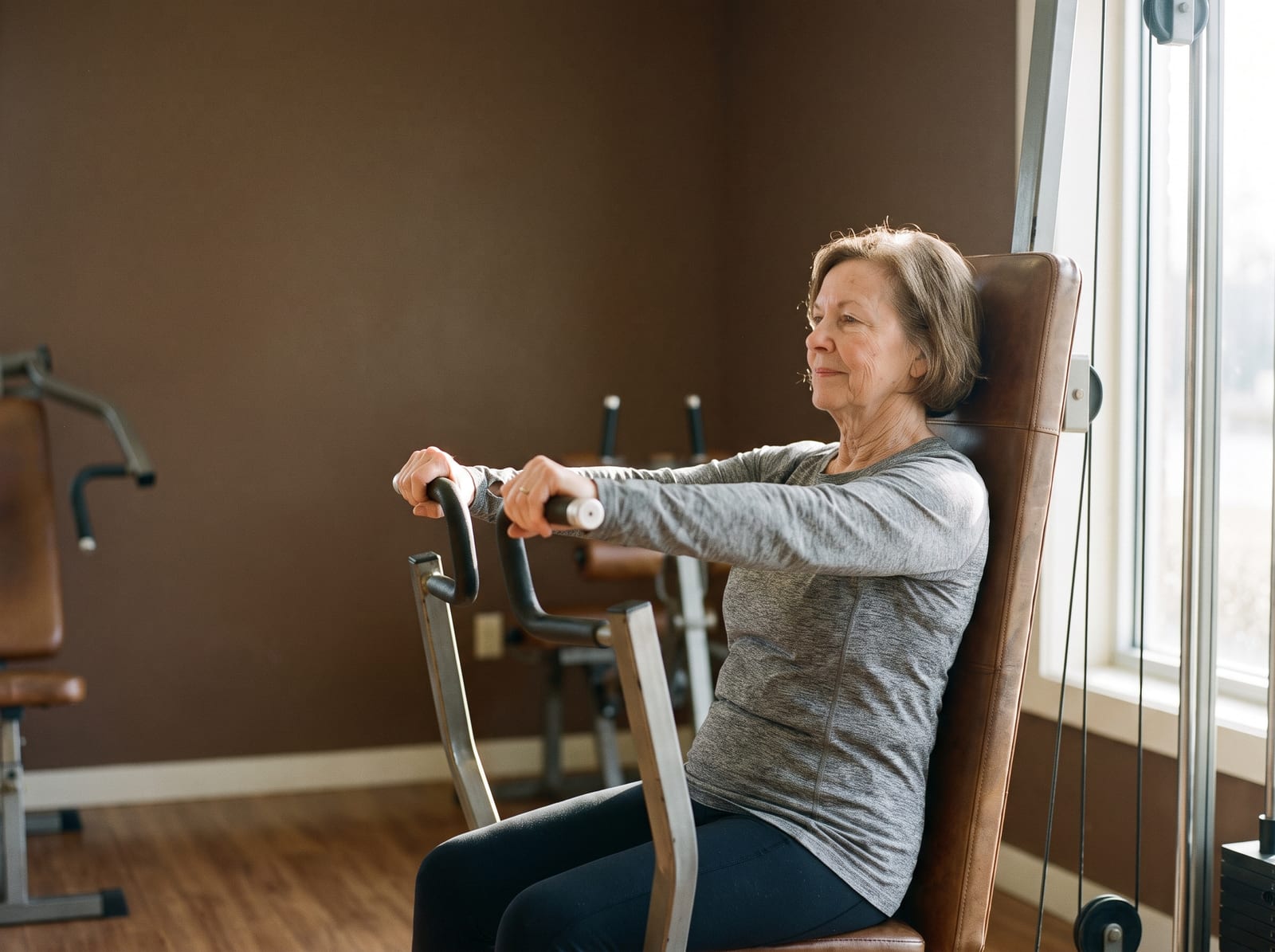
Six-Machine Strength Session for Skin
beginnerThree sets of ten on six weight-stack machines, twice a week. This is the resistance arm of the one trial that measured skin elasticity and dermal thickness before and after, run at the loads and the cadence that trial used.
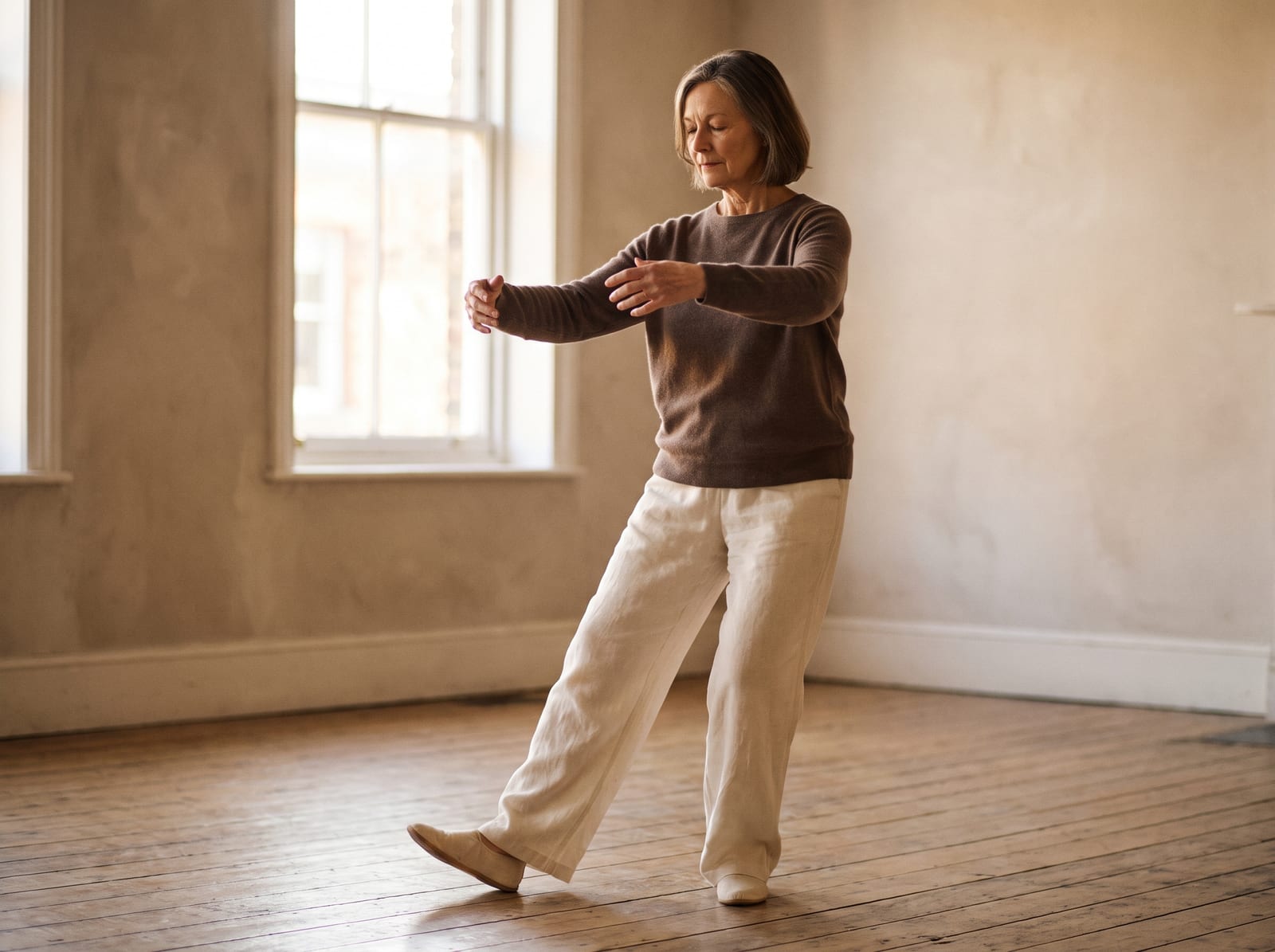
Sixteen Weeks of Tai Chi, Before a Shingles Vaccine
beginnerForty minutes of slow, weight-shifting tai chi, three times a week, for four months. In the trial it comes from, older adults who did it arrived at their vaccination carrying more virus-specific immunity than they started with.
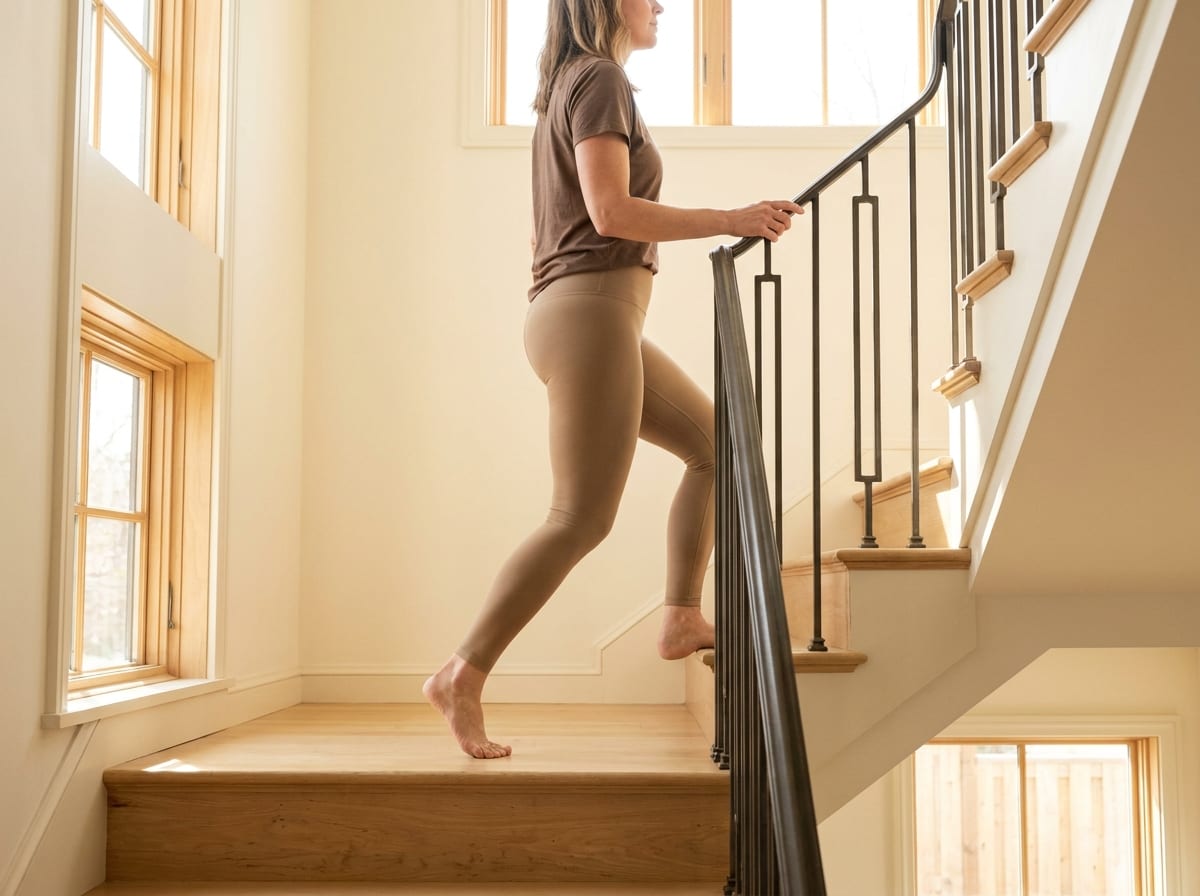
Stair Interval Climbs
intermediateRepeated hard climbs up a flight of stairs, a walk back down as your only rest, six to ten times through.
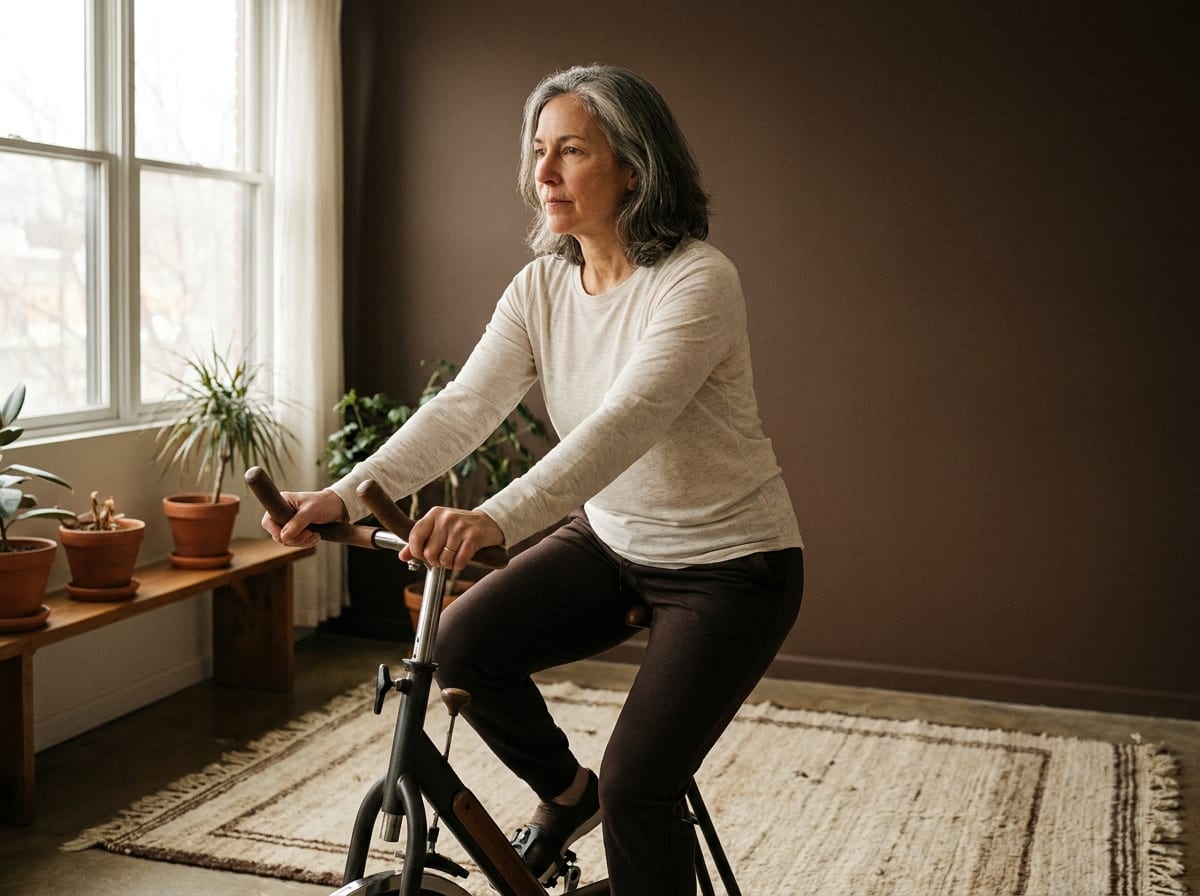
Steady Cycling Session for Skin
beginnerThirty minutes on a bike at a pace you can still talk through, two or three times a week. Cycling is what both research groups used when they went looking for changes in skin, so cycling is what this says.
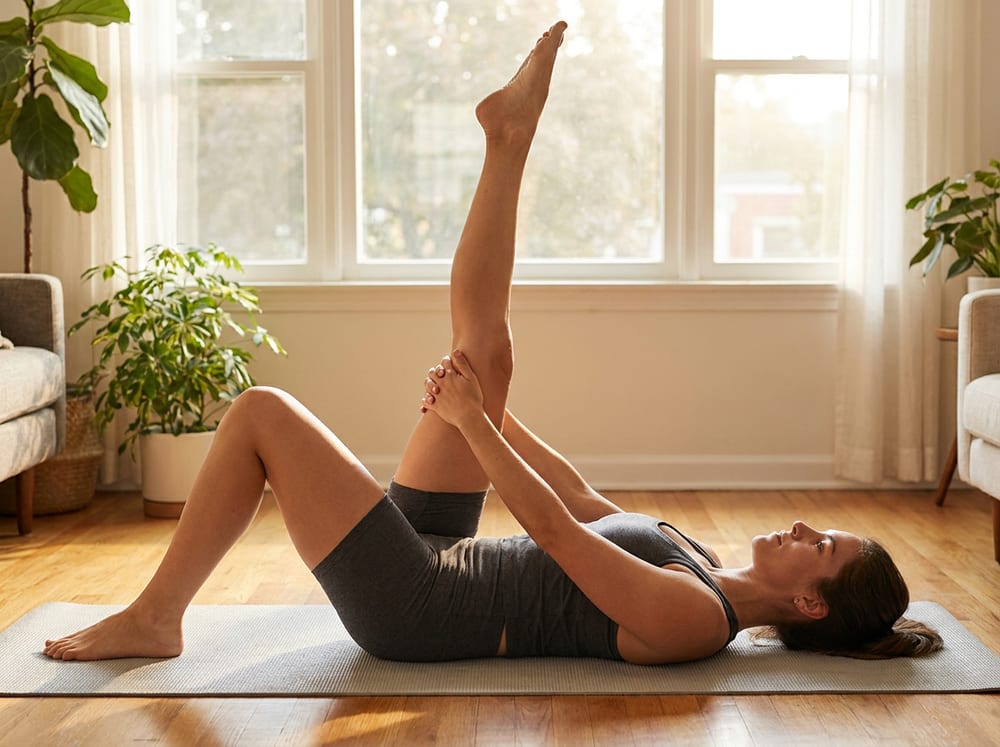
Supine Active Hamstring Floss
beginnerA gentle, active lying stretch that lengthens your hamstrings and gets your sciatic nerve gliding again, without ever loading your low back. The right place to start if you're stiff, deconditioned, or both.
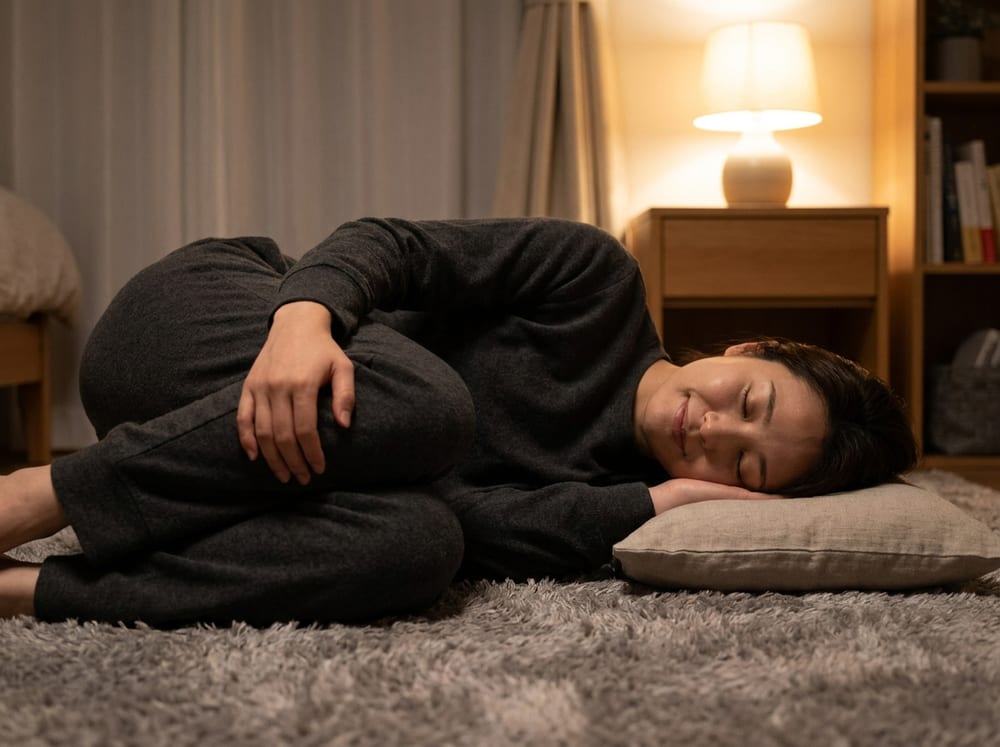
Supine Knees-to-Chest Hug (Apanasana)
beginnerA cocooning supine stretch: both knees drawn into your chest, a gentle rock side to side, decompressing your lumbar spine and releasing your low back and glutes right at the end of the day.
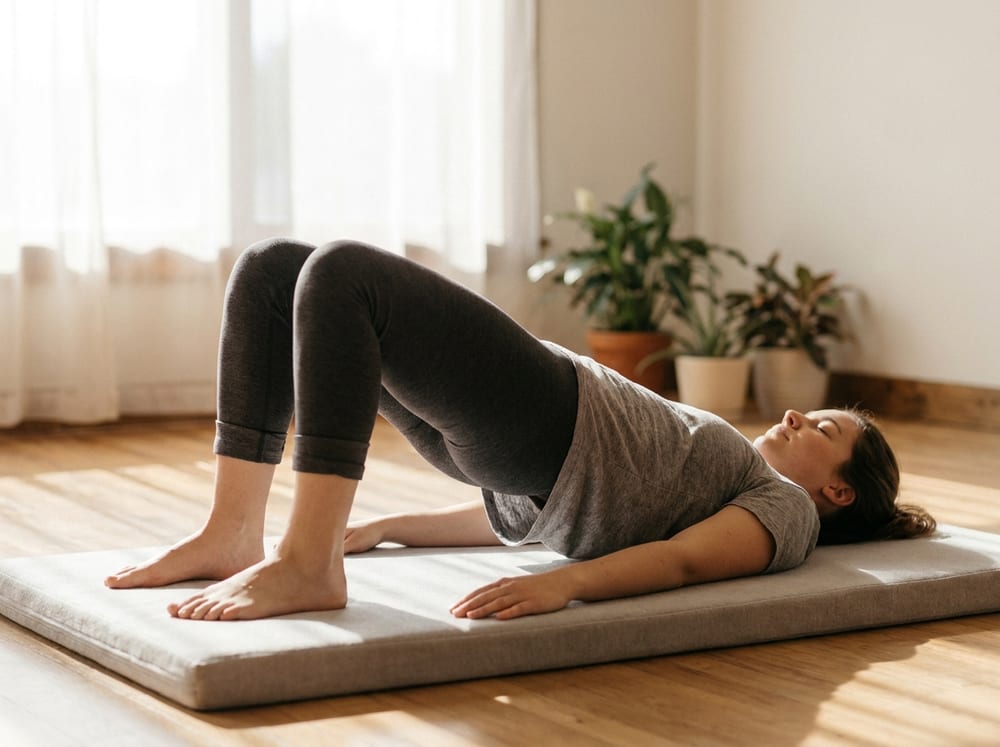
Supported Bridge with Pelvic-Floor Breath
beginnerA slow, breath-paced hip bridge on a cushion under your hips, pairing an exhale-driven pelvic-floor contraction with glute engagement to build real pelvic strength and blood flow, no equipment involved.
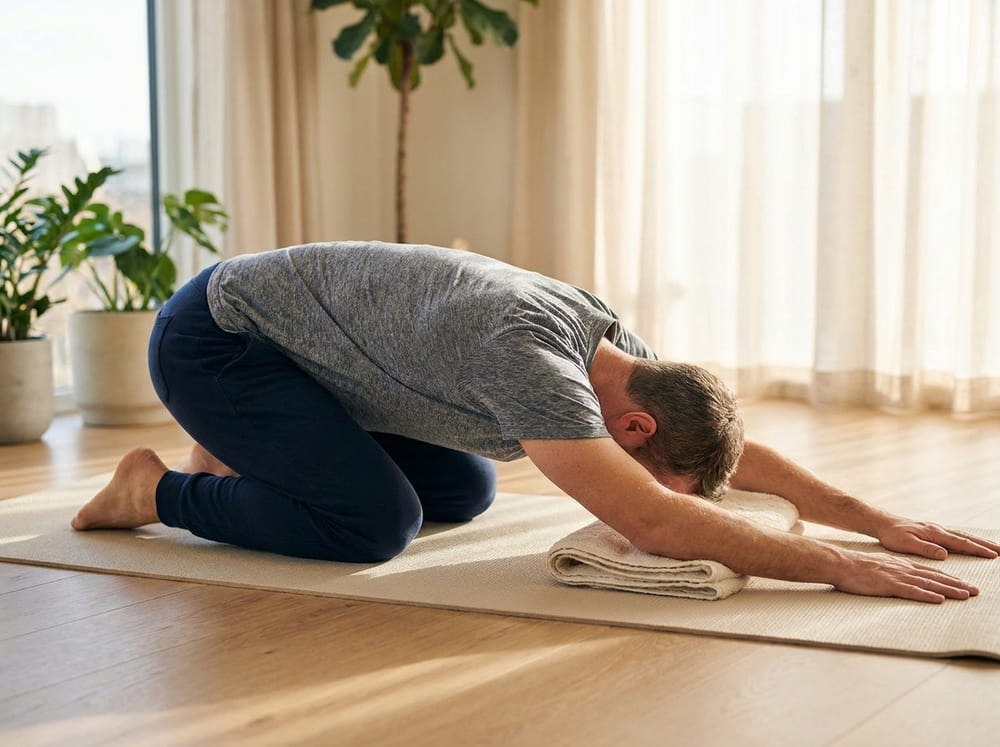
Supported Child's Pose
beginnerA restful kneeling fold: hips sink back toward your heels, forehead rests on the floor or a cushion, arms extended out front or draped alongside your body, whichever your evening needs.
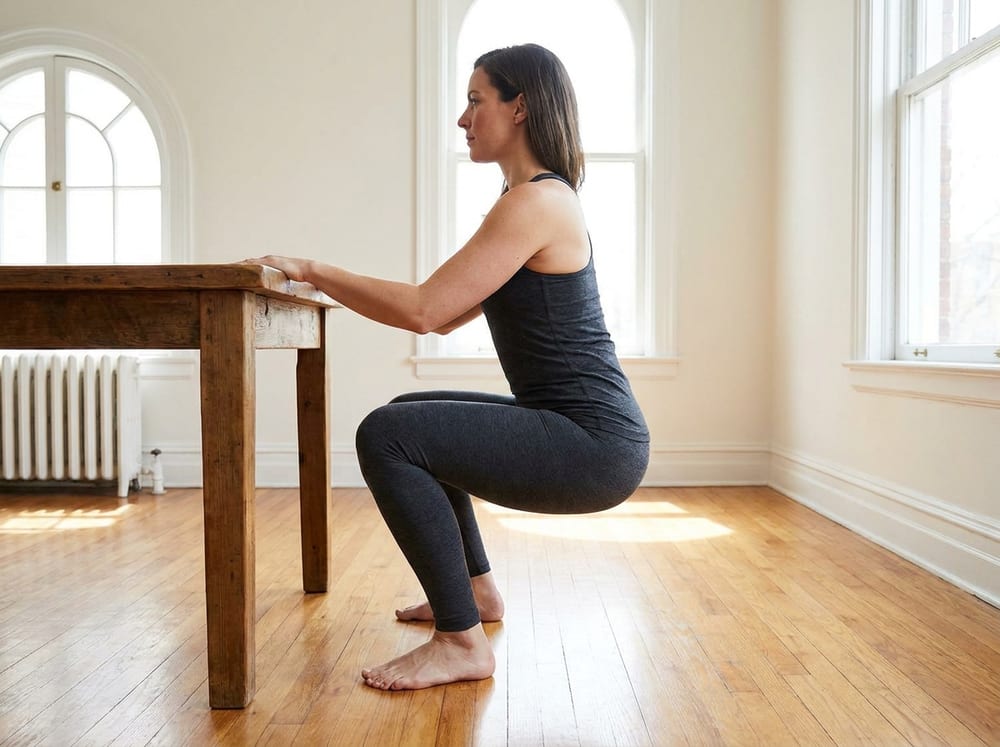
Supported Deep Squat Hold (Ankle and Hip Opener)
intermediateA resting hold at rock bottom of a squat, gripping something sturdy so your hips, knees, and ankles get to load safely through their full range instead of never going there at all.
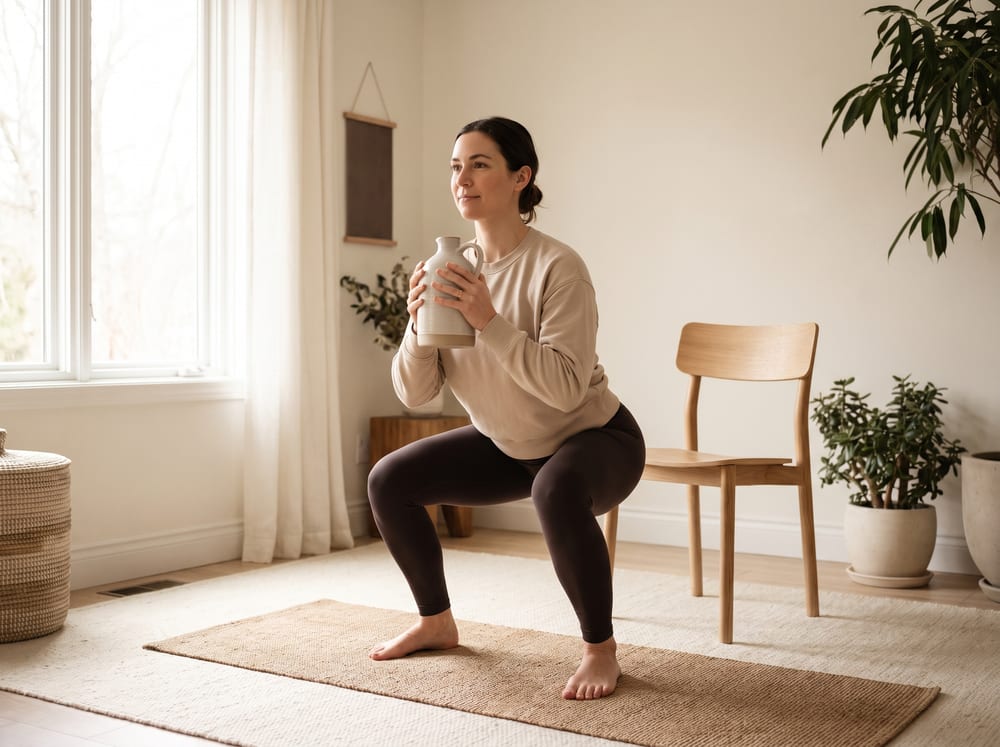
Supported Goblet Squat with a Household Load
beginnerA slow, controlled squat holding a weighted household object at your chest, a wall or chair nearby for reassurance, building real lower-body and glute strength that supports healthy body composition without tipping into the exhaustive training that can work against fertility.
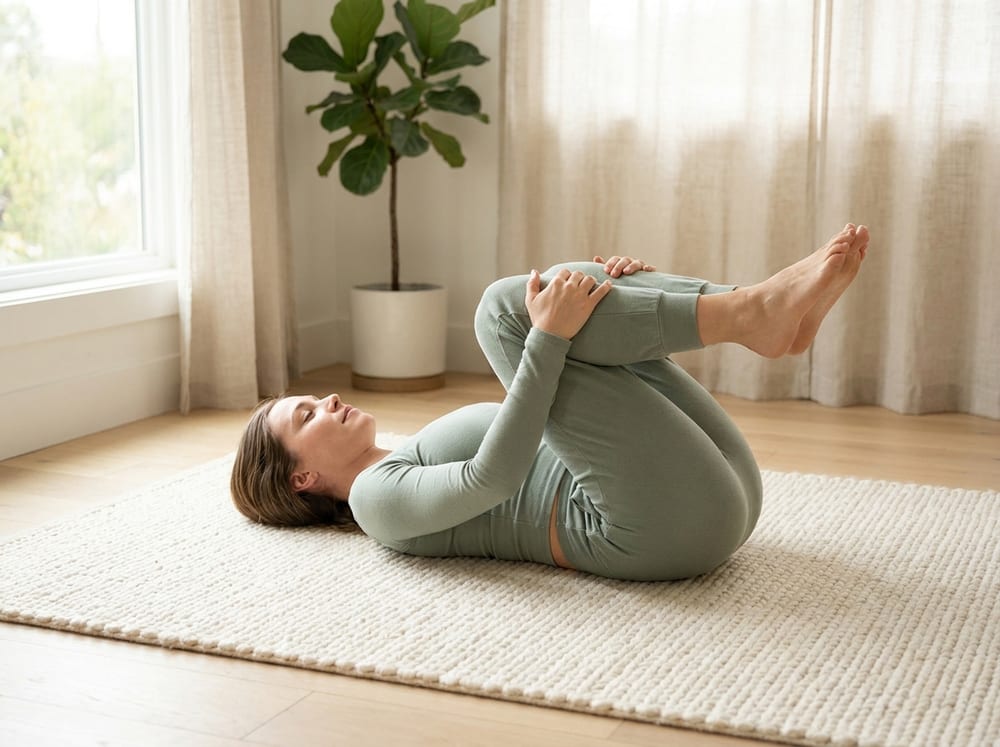
Supported Happy Baby Hip Opener
beginnerA gentle supine hip opener: knees drawn toward your armpits, hands holding behind the thighs, decompressing the hip joints and lengthening the inner-thigh and pelvic-floor tissue that sitting keeps permanently tight.
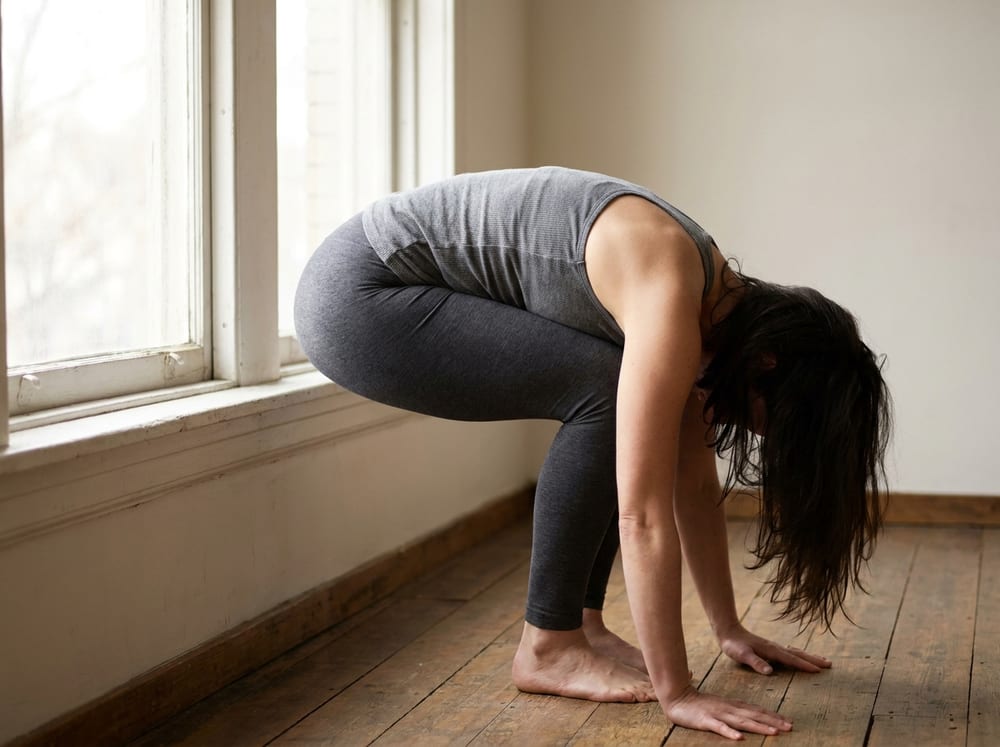
Supported Standing Forward Fold
beginnerA slow, passive forward hang from standing, knees soft, head and arms just dangling so the entire back of your body finally releases toward the floor.
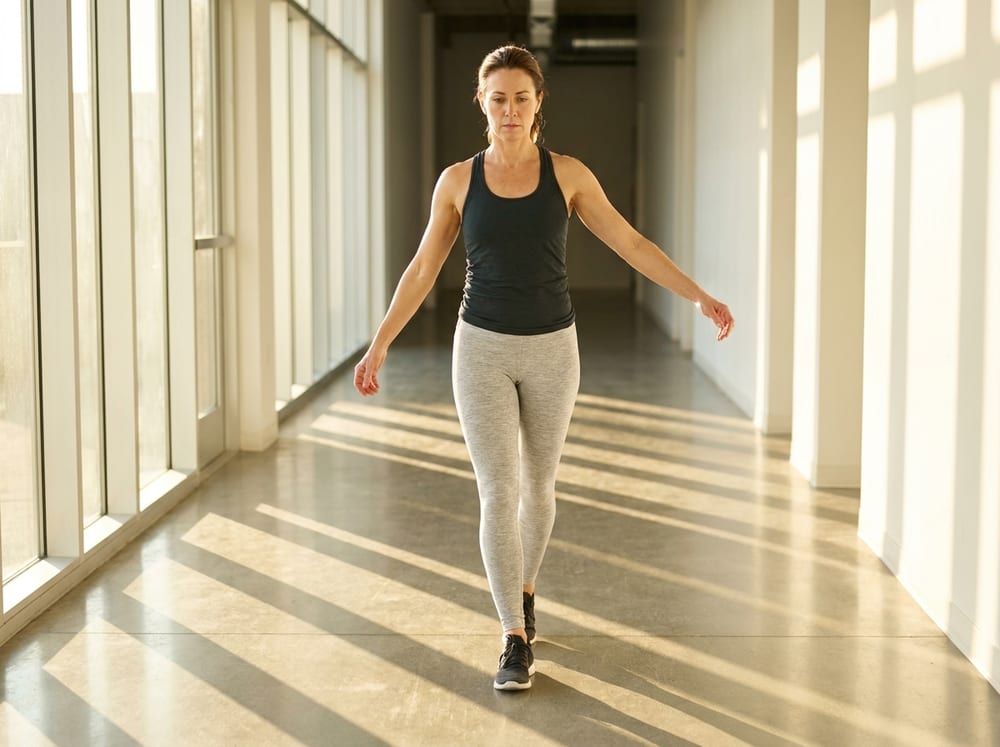
Tandem Heel-to-Toe Walk
intermediateWalk an imaginary straight line, heel of one foot landing directly against the toes of the other, narrowing your base of support to almost nothing while you're moving.
Thirty-Minute Conversational Walk
beginnerA walk brisk enough that talking takes a little work and singing is off the table, held for thirty minutes straight. That's the exact intensity most of the resting-CRP evidence was collected at.
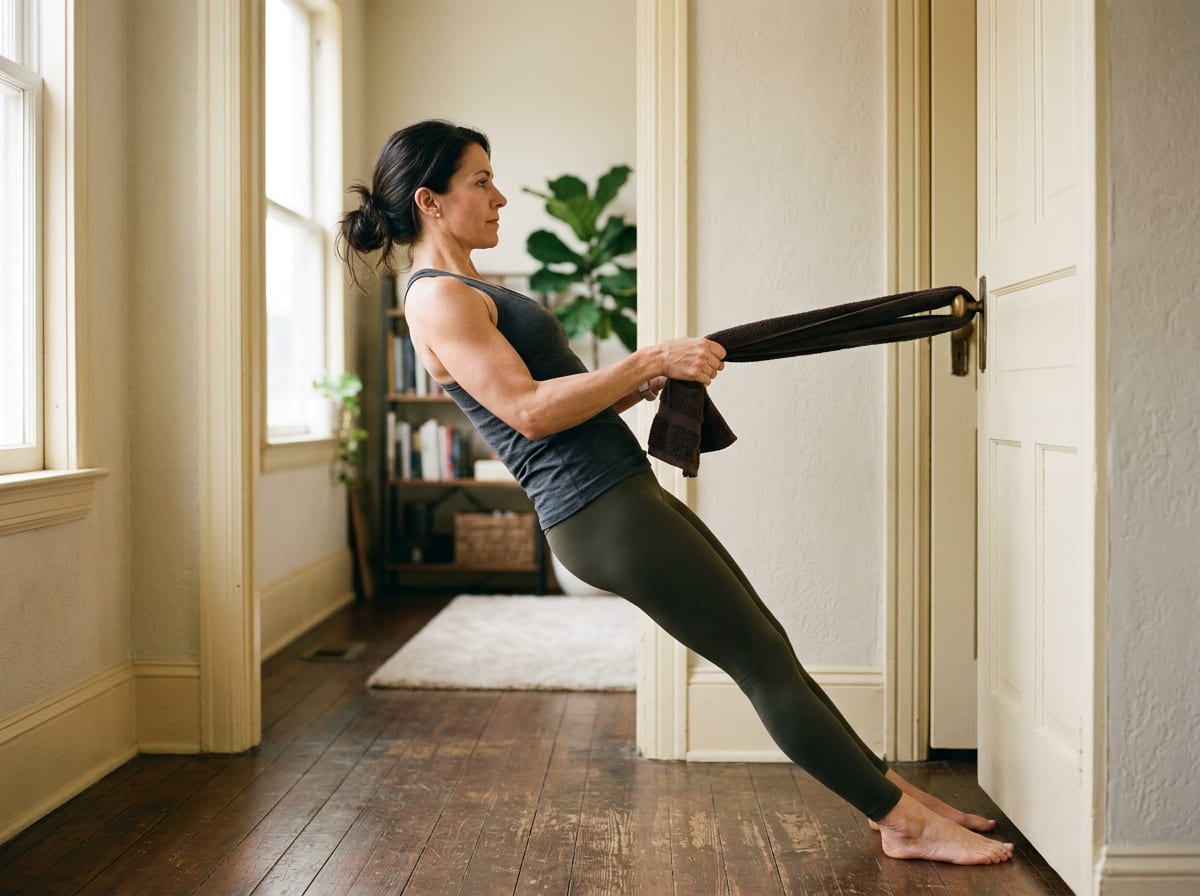
Towel Door Row
beginnerA pulling movement built from a towel looped around a door handle and you leaning back, fully adjustable just by how far forward you walk your feet.
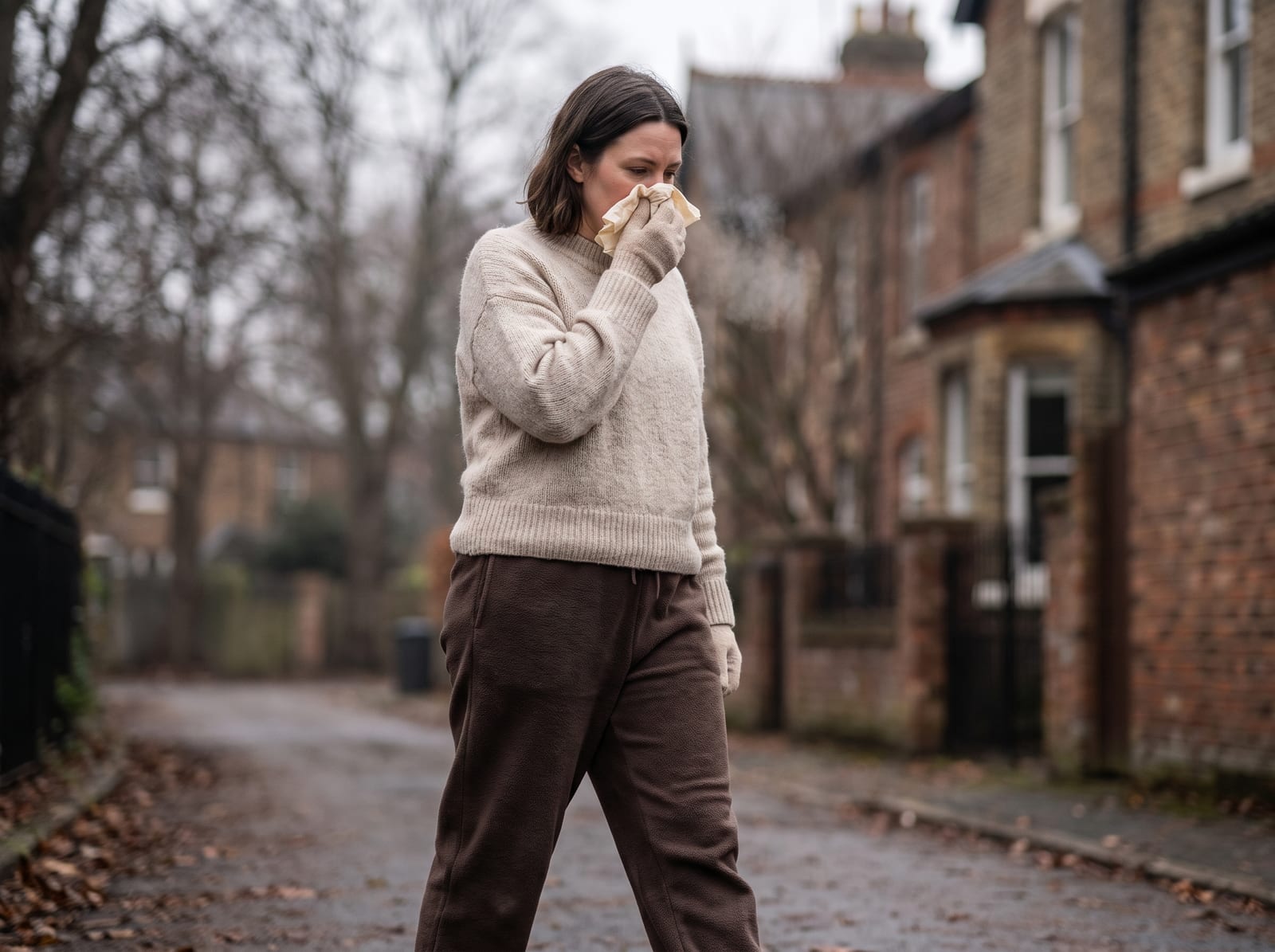
Training Through a Head Cold
beginnerA stuffy nose does not have to cancel your week. In the one randomized trial that tested it, moderate exercise during a cold neither shortened the illness nor made it any worse.
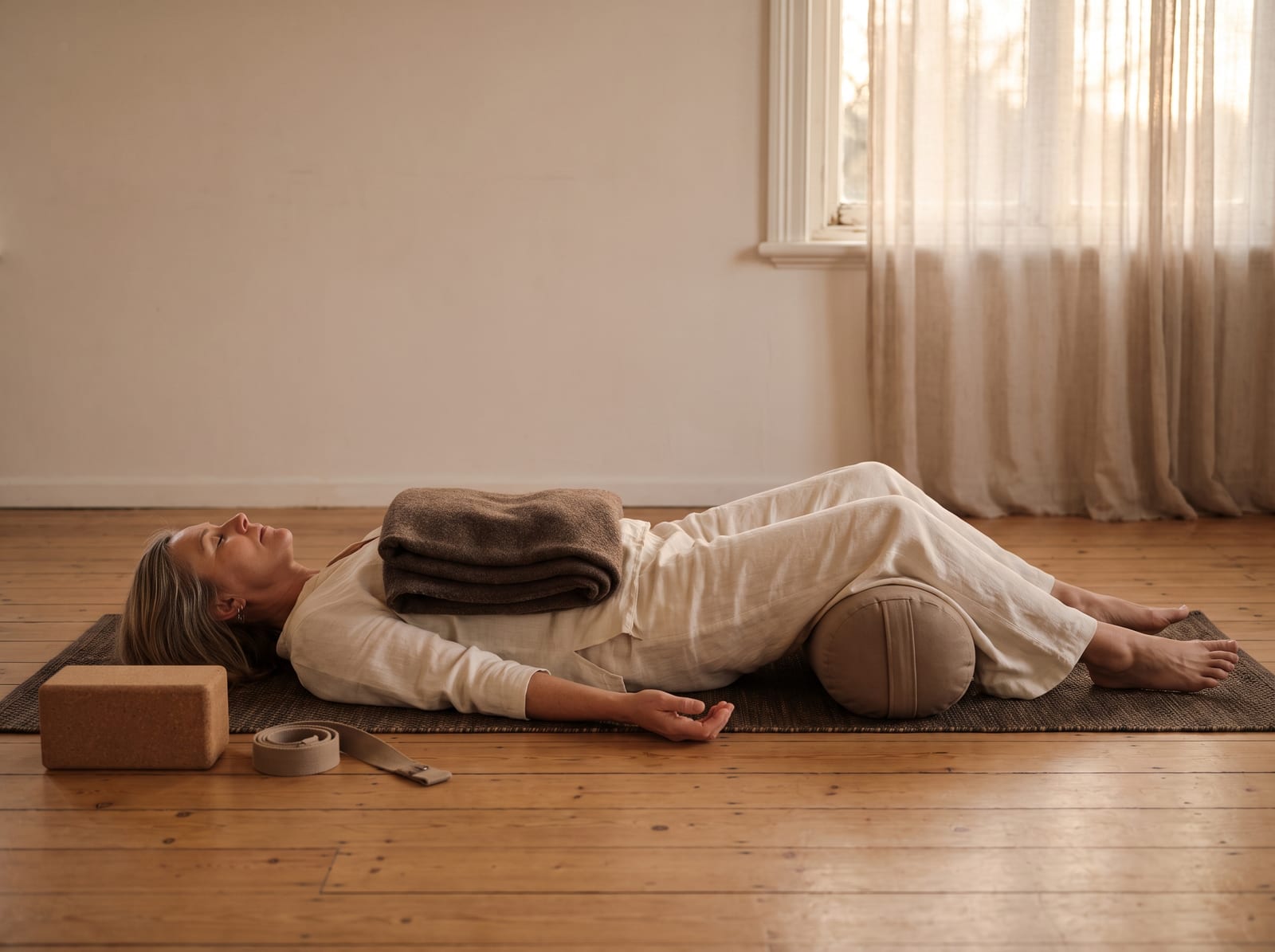
Twelve Weeks of Hatha Yoga, Two Evenings a Week
beginnerNinety minutes of slow hatha yoga, twice a week, for three months. It is the dose that was trialled, and the trial measured inflammation in the blood rather than how anyone said they felt.
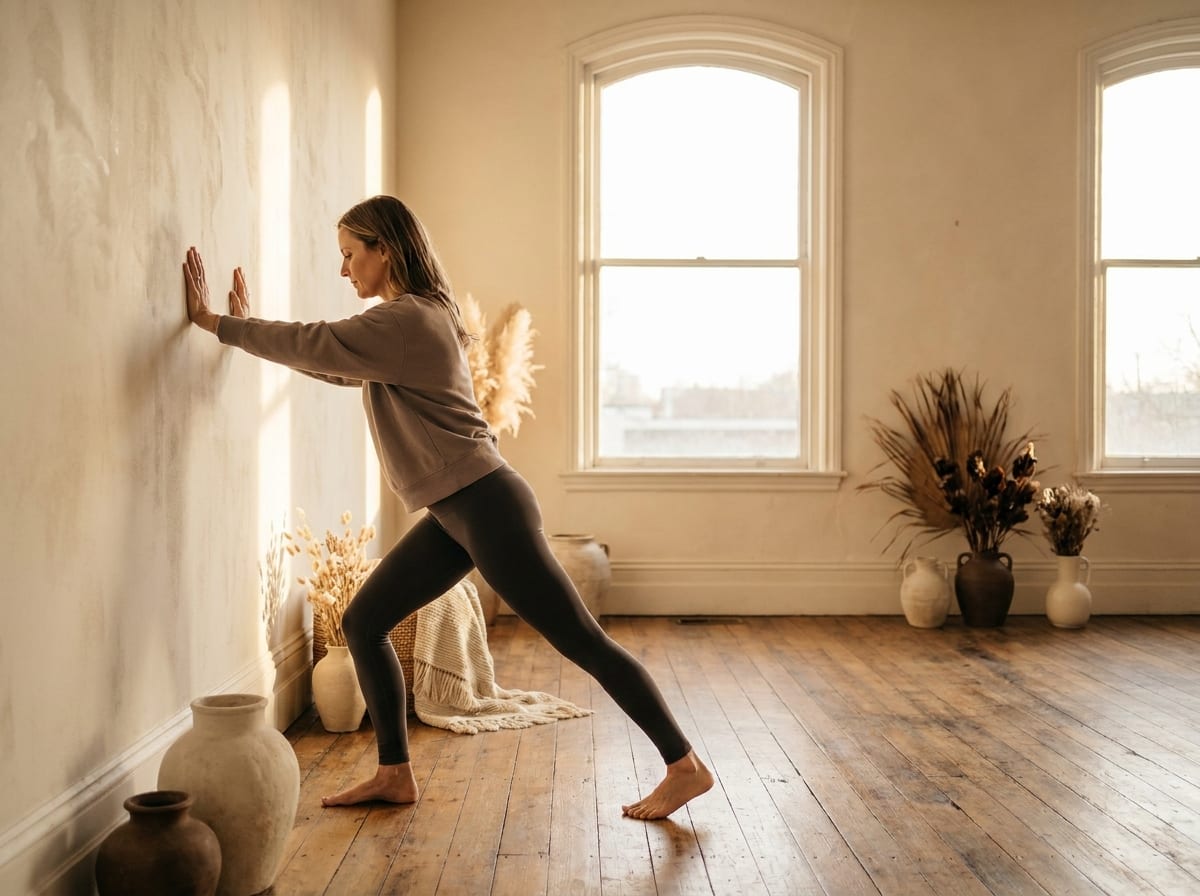
Wall Calf and Soleus Sequence
beginnerTwo wall stretches, back to back: one with your back knee locked straight, one with it bent. Together they reach both calf muscles instead of just the one everybody stretches by accident.
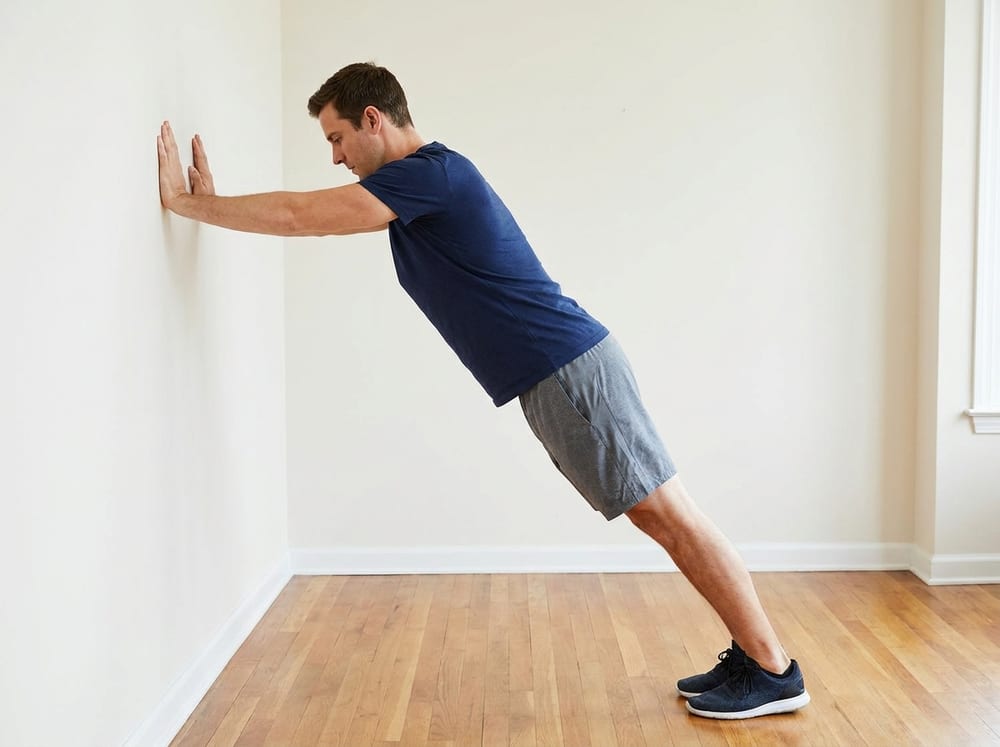
Wall Push-Up
beginnerA scalable pressing move against a wall that builds real chest, shoulder, and arm strength with almost zero injury risk, the right starting line for beginners or anyone rebuilding pushing strength from scratch.
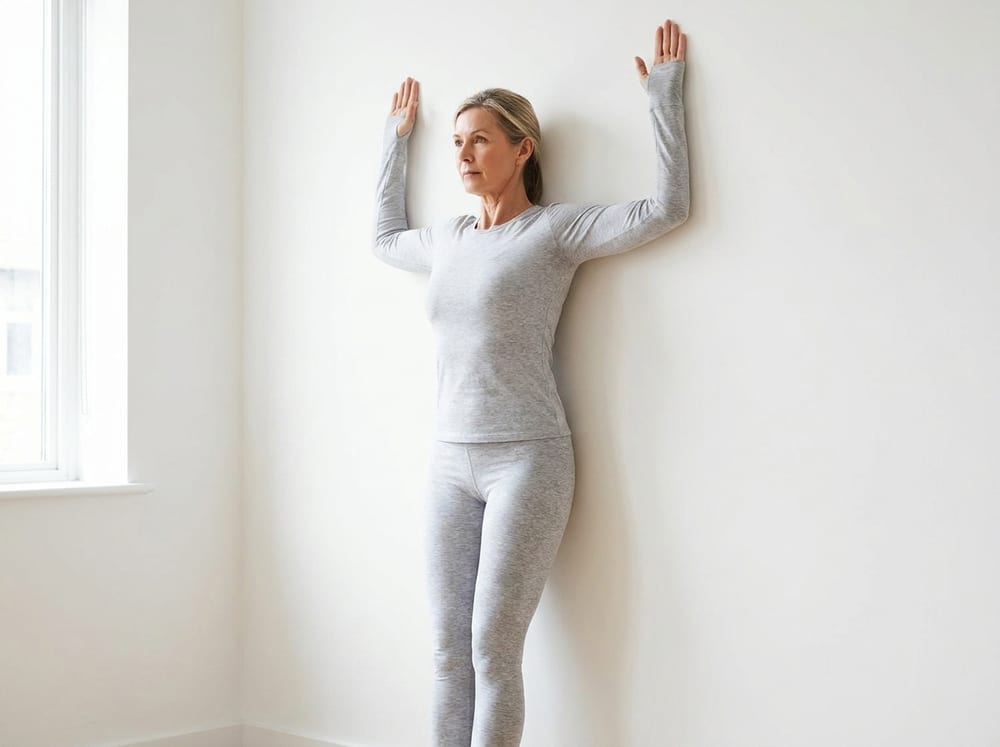
Wall Slide (Shoulder and Upper Back Opener)
intermediateA standing overhead reach against a wall that restores full, well-organized shoulder elevation and unglues a rounded upper back one clean rep at a time.
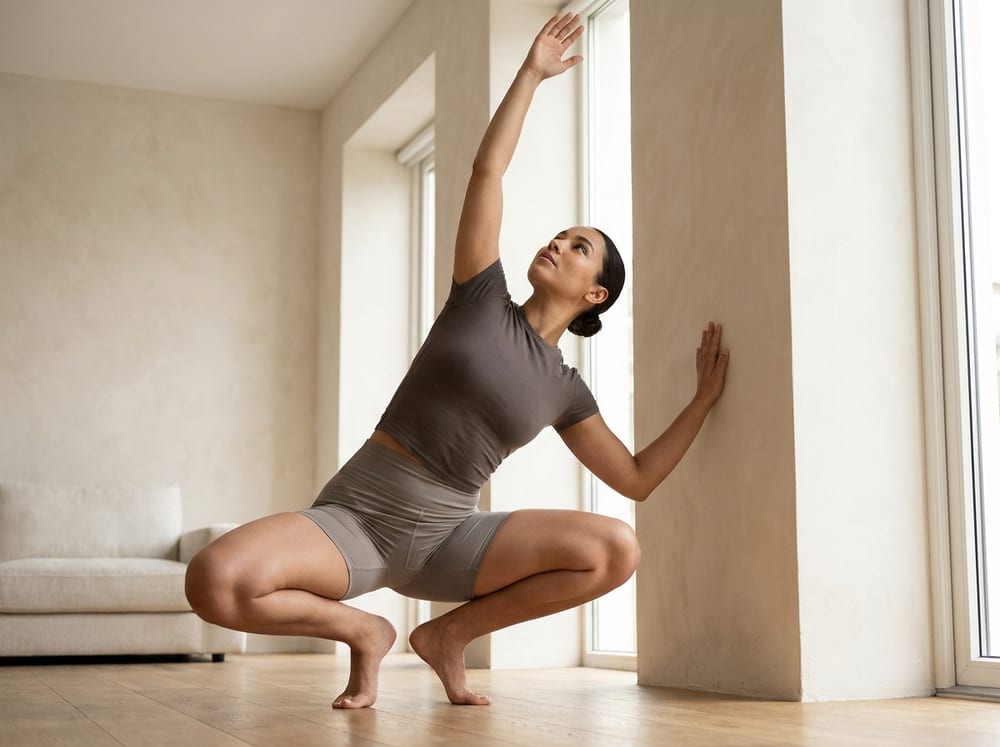
Wall-Supported Deep Squat Hold with Rotational Reach
advancedAn advanced end-range hold in a deep squat, a wall there for security, loading your ankles, hips, and thoracic spine at their combined limits, all at the same time.
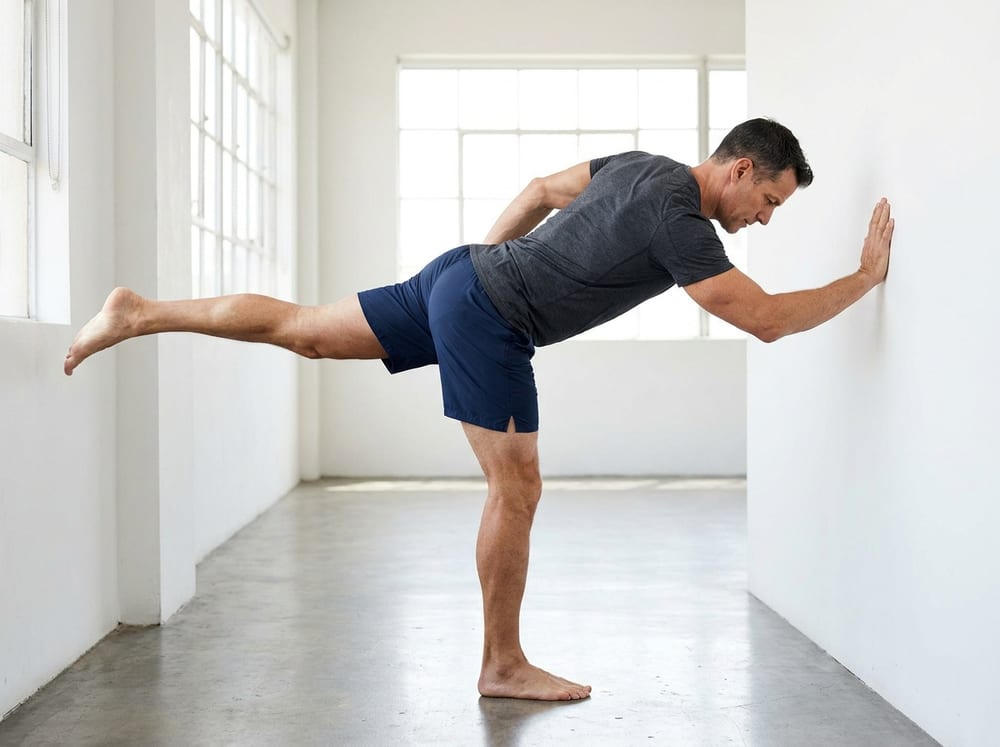
Wall-Supported Hip Airplane
advancedA single-leg standing rotation of your pelvis over a fixed thigh, a wall there for balance, that mobilizes the hip through internal and external rotation while demanding real control the entire time.
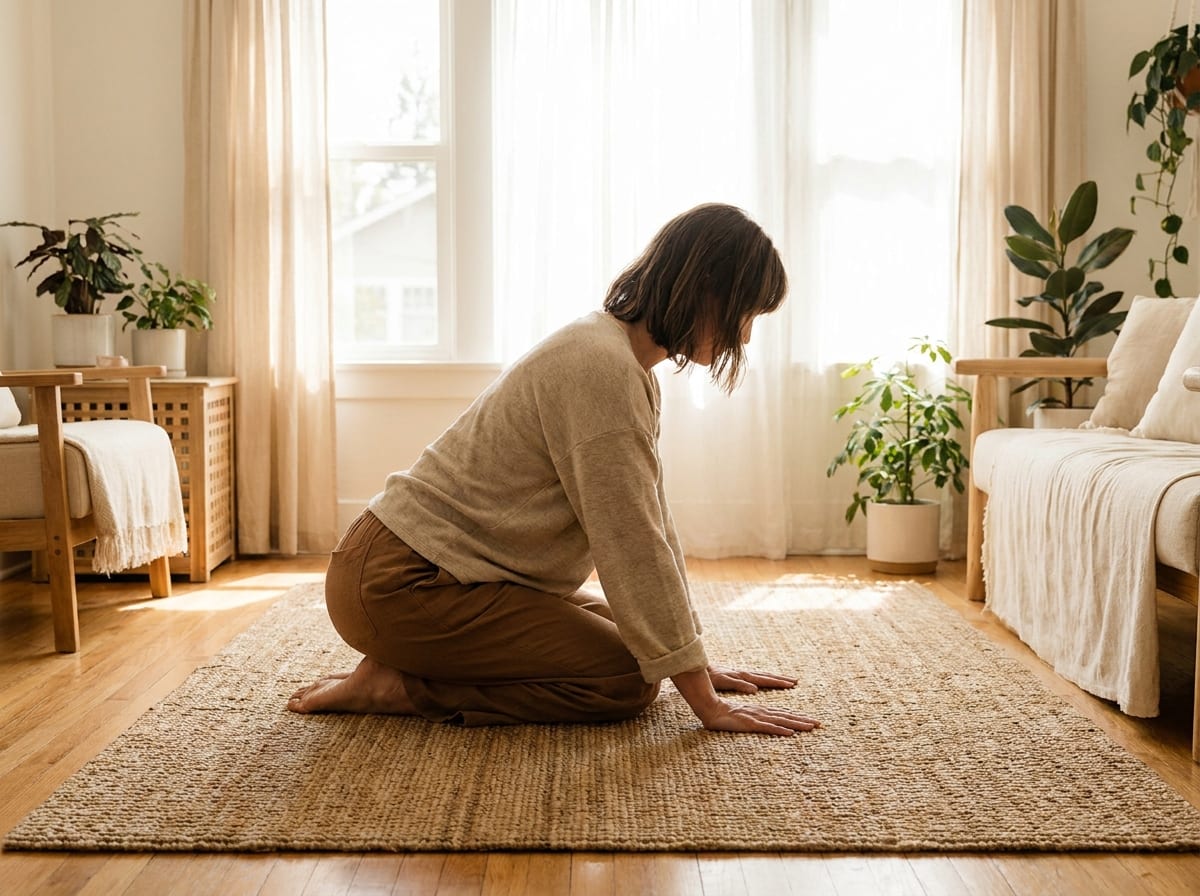
Wrist Mobility Series
beginnerA short sequence of loaded wrist positions on the floor, getting the joint ready for anything that's about to put weight through your hands.
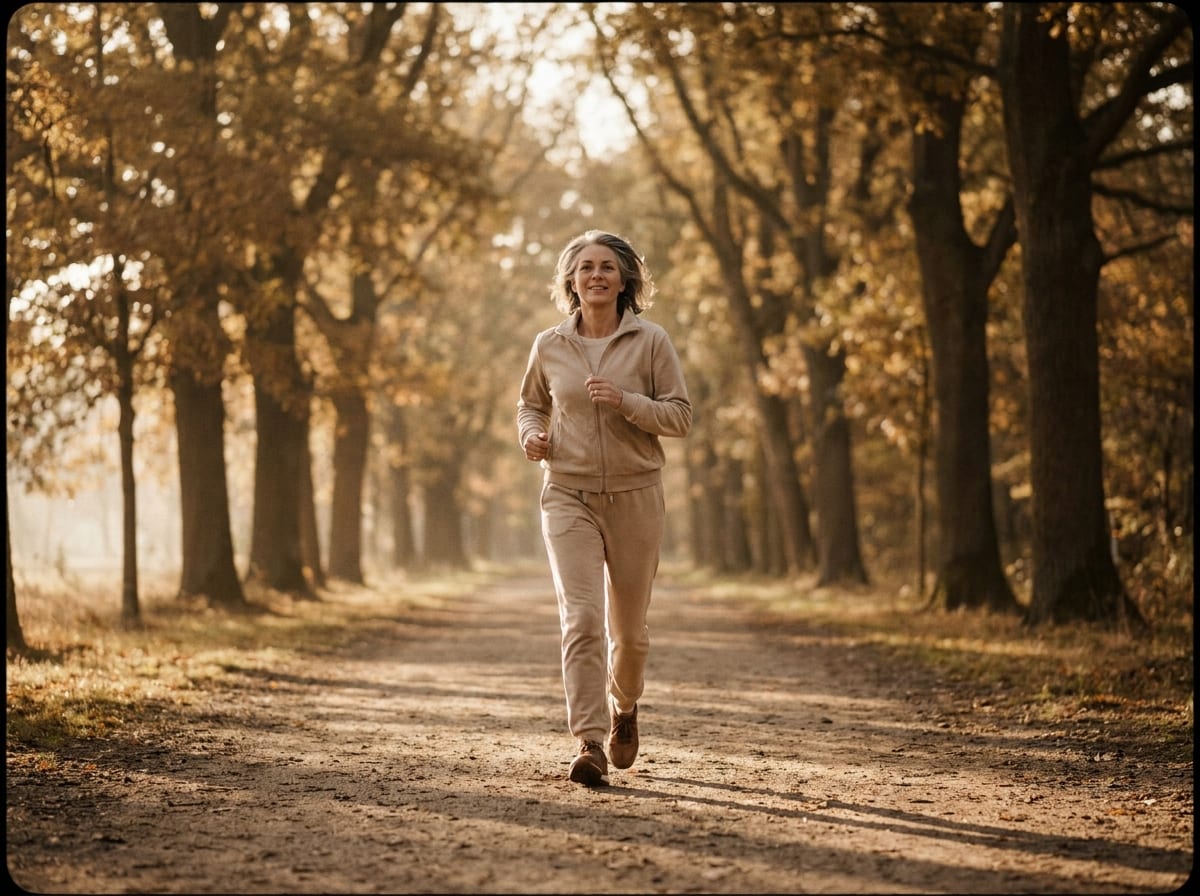
Zone Two Brisk Walk
beginnerA sustained walk held right at the pace where full sentences are comfortable but singing is not, for thirty to sixty minutes.
Nothing matches all of those.